Standing rock
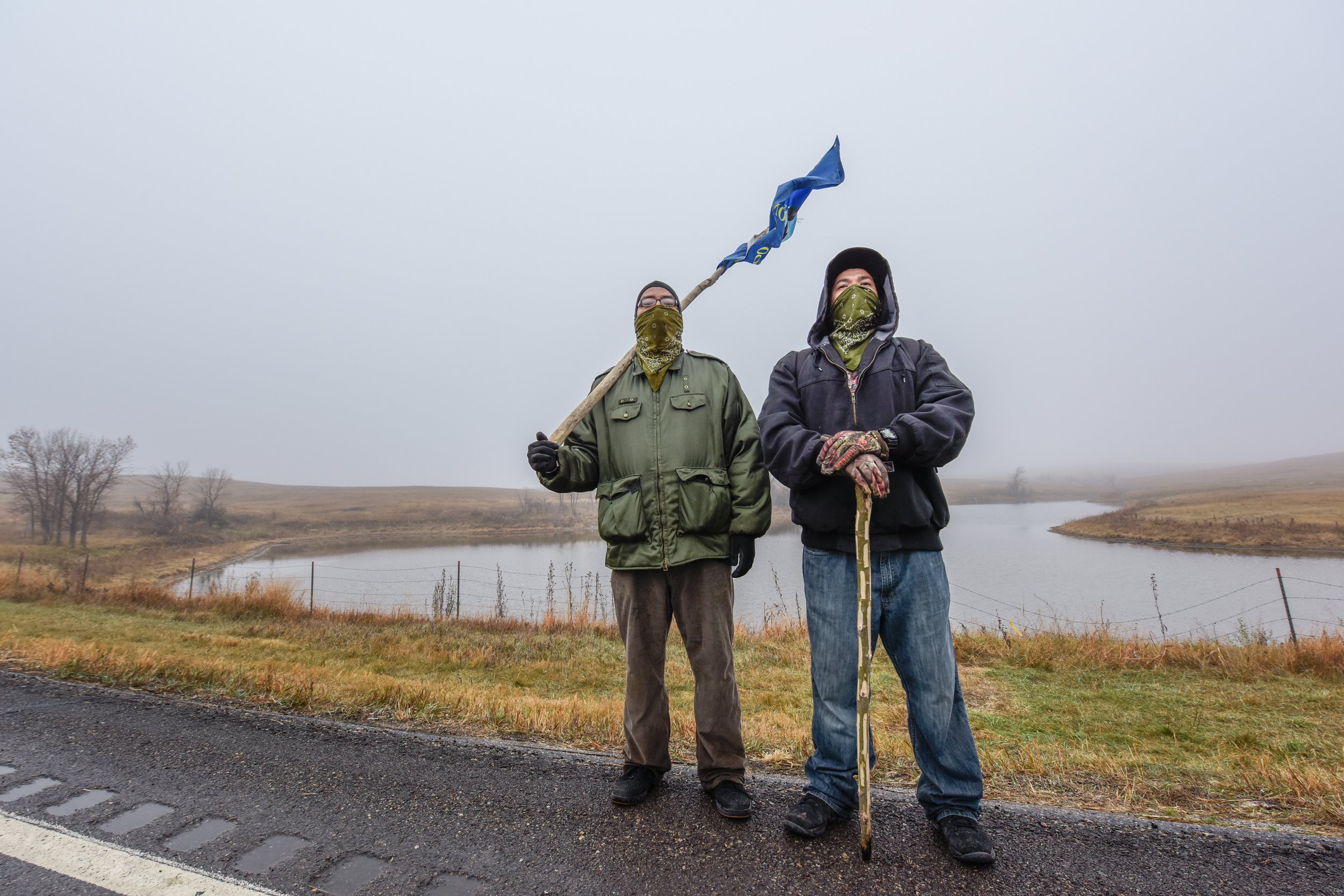
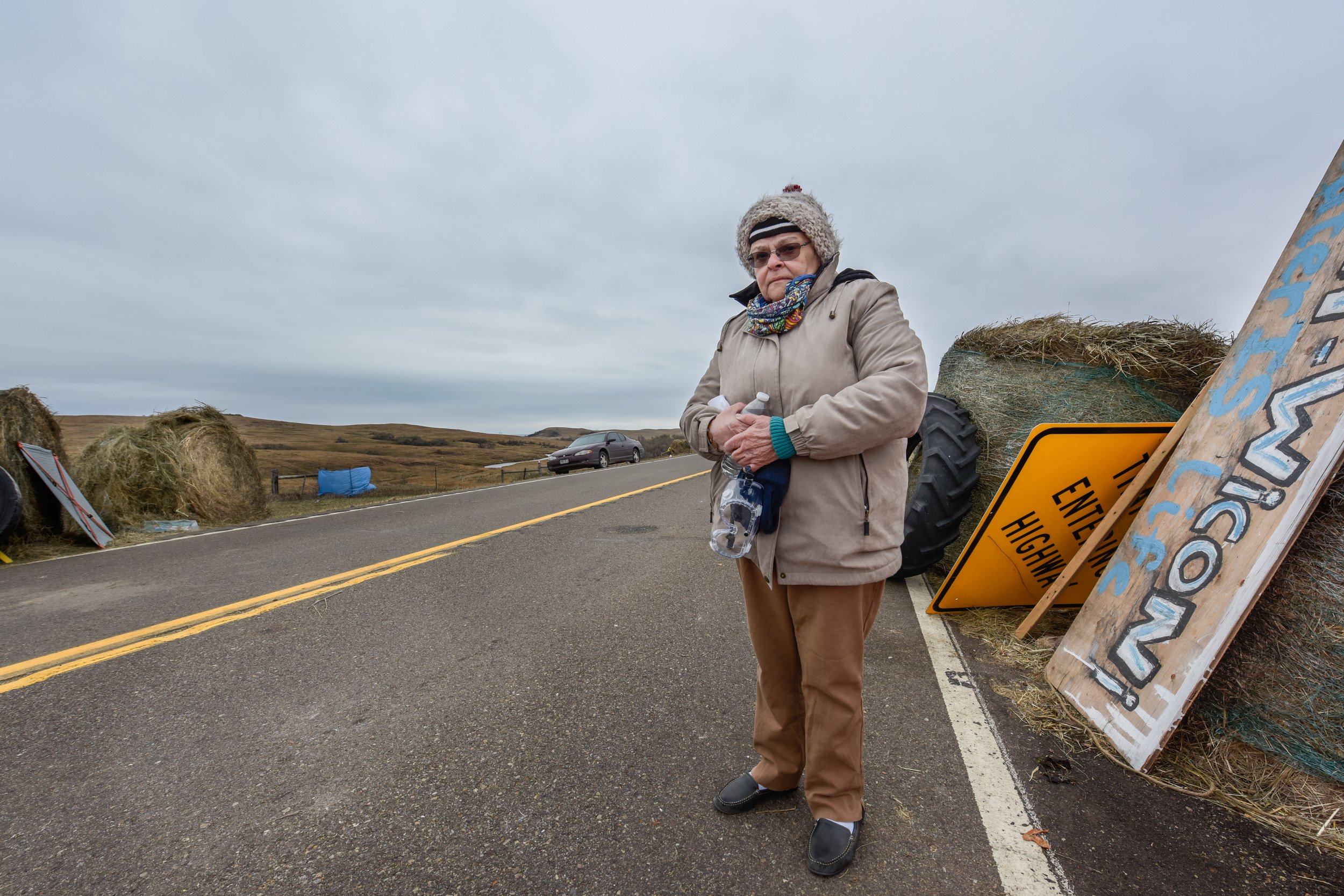
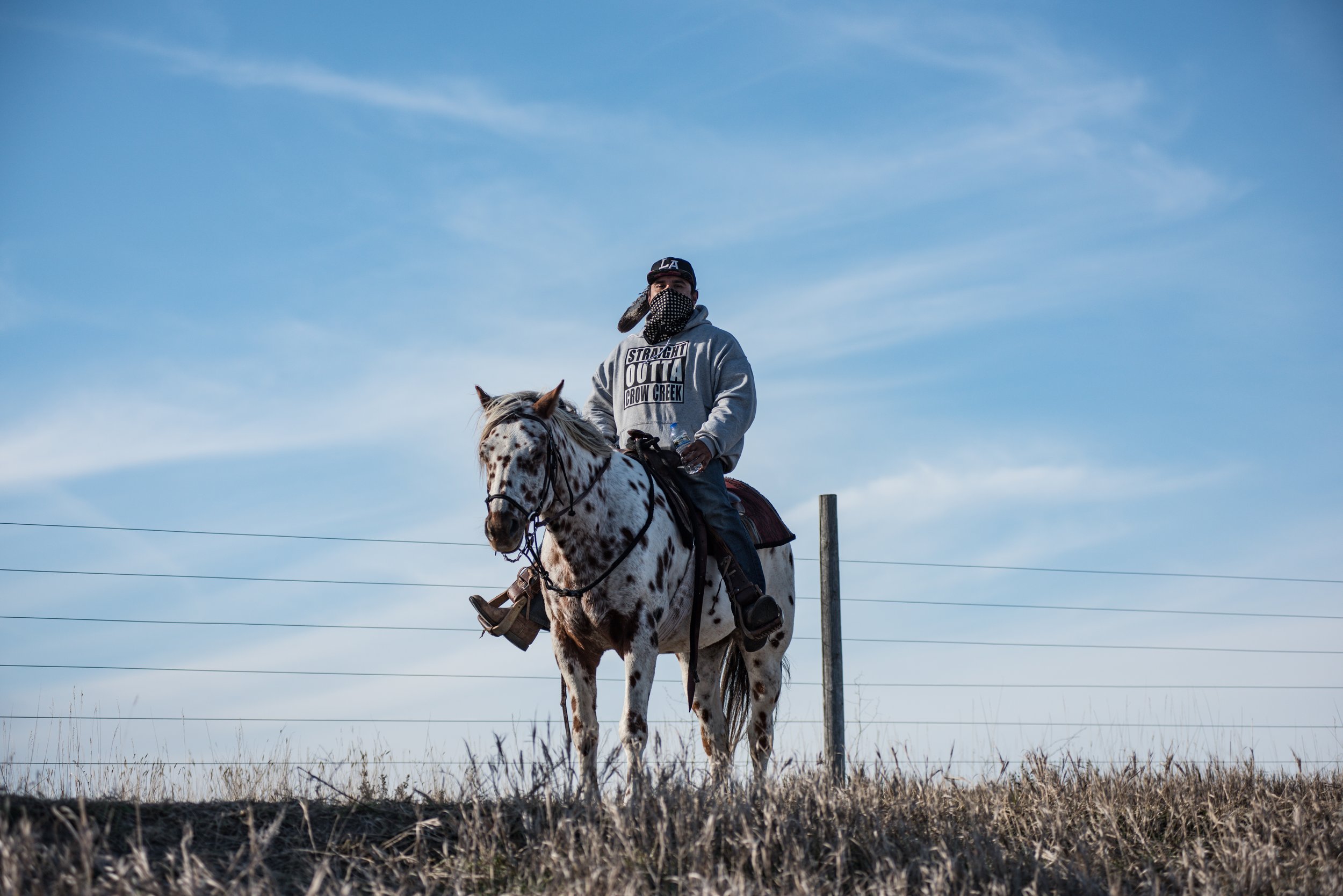
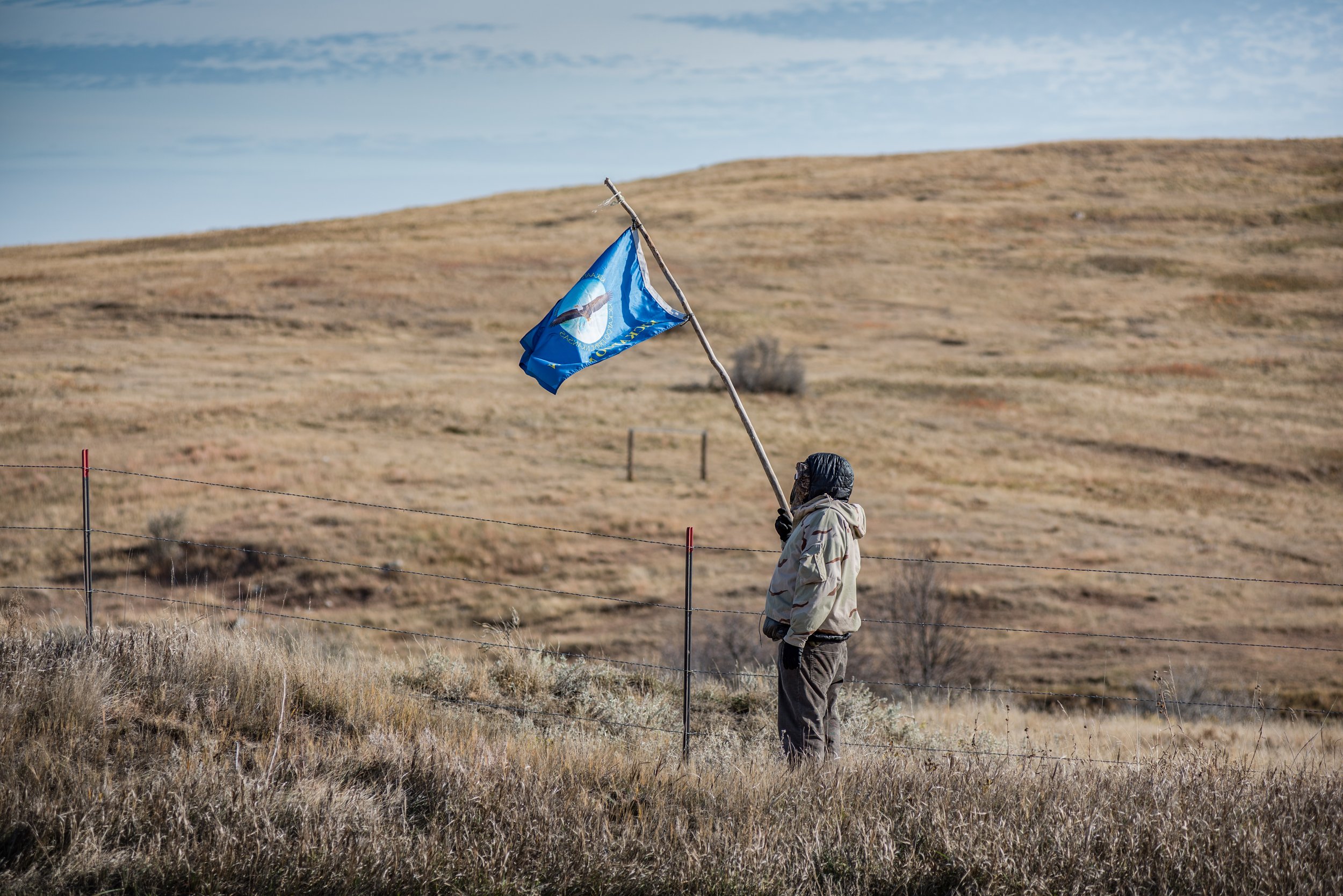
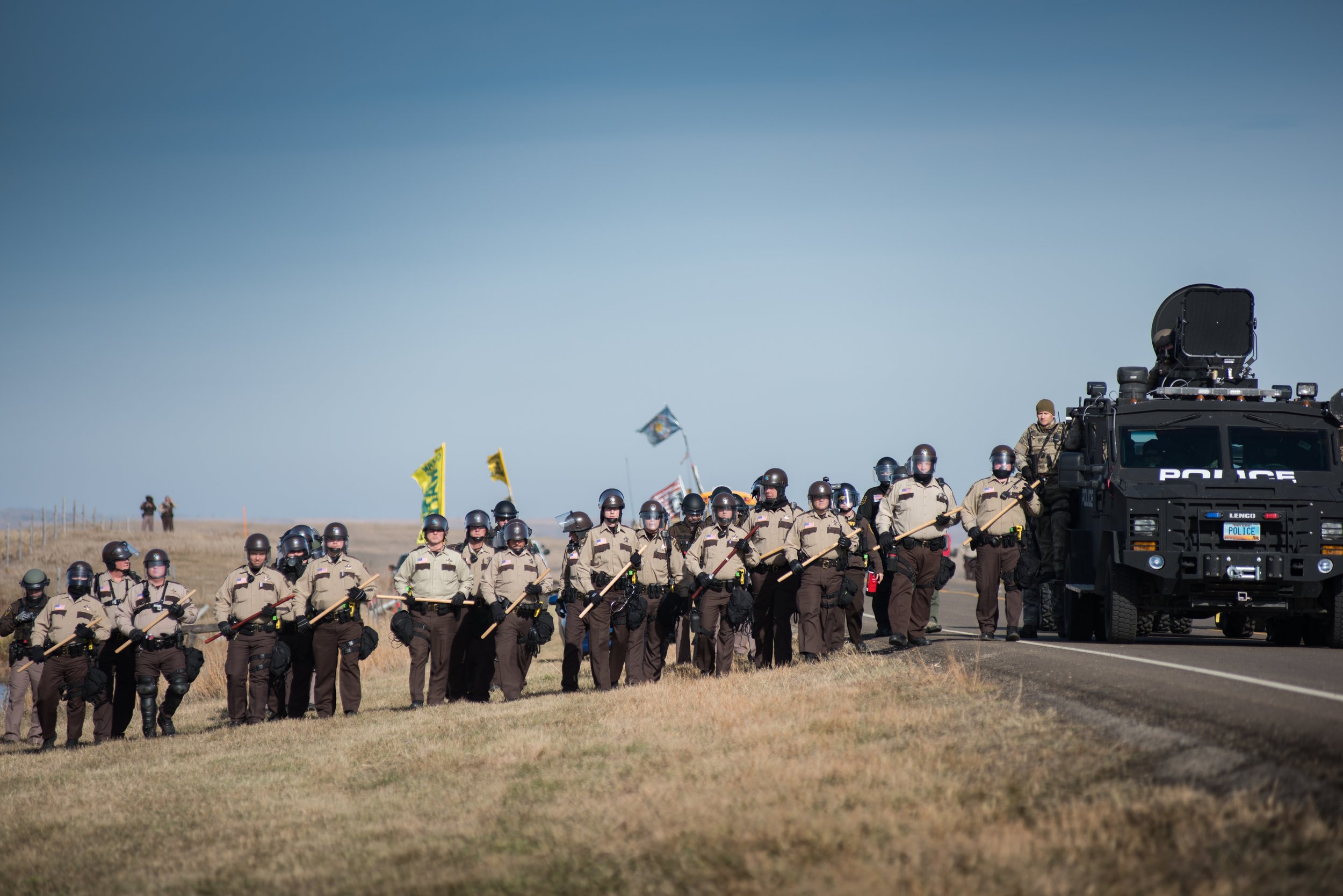
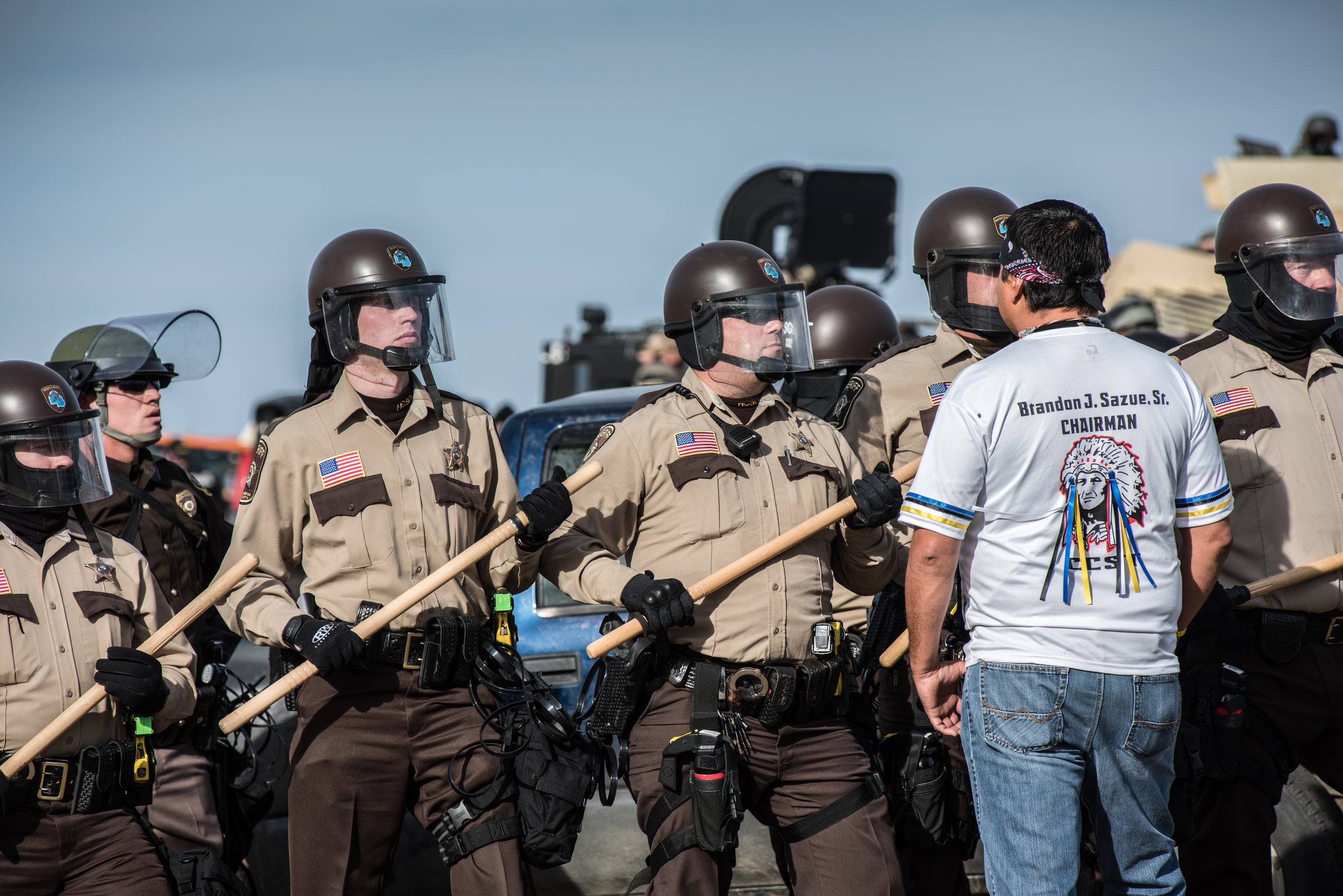
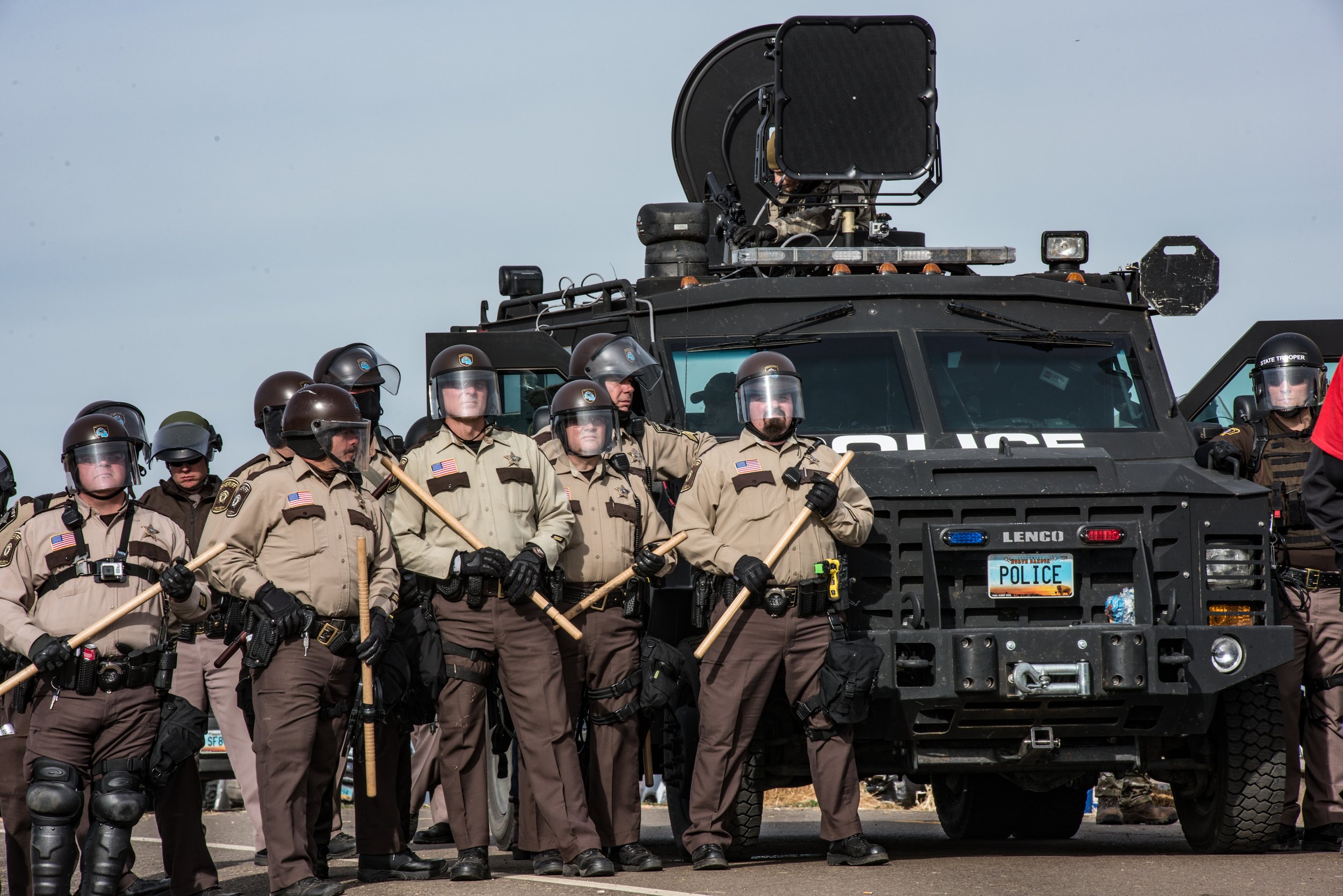
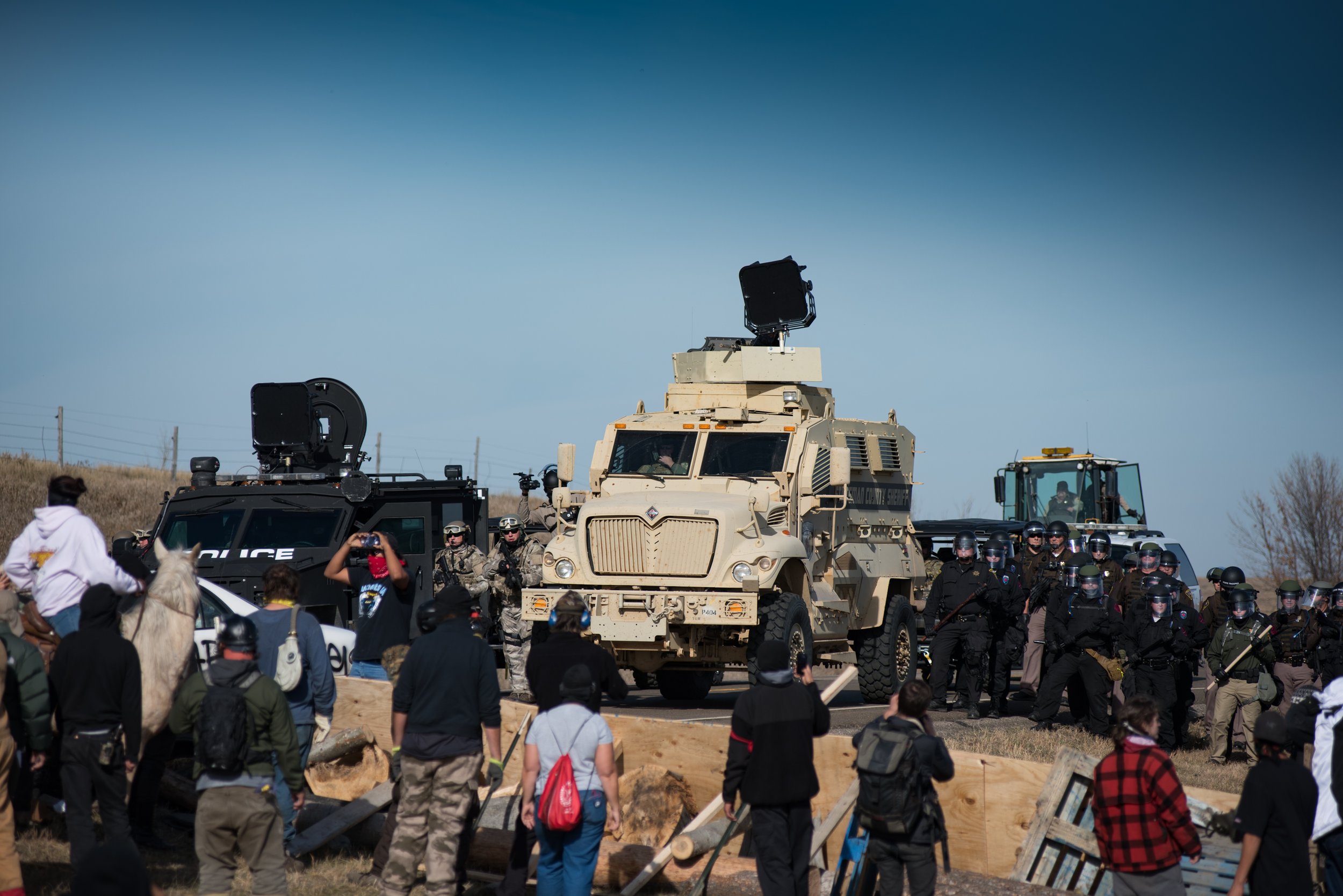
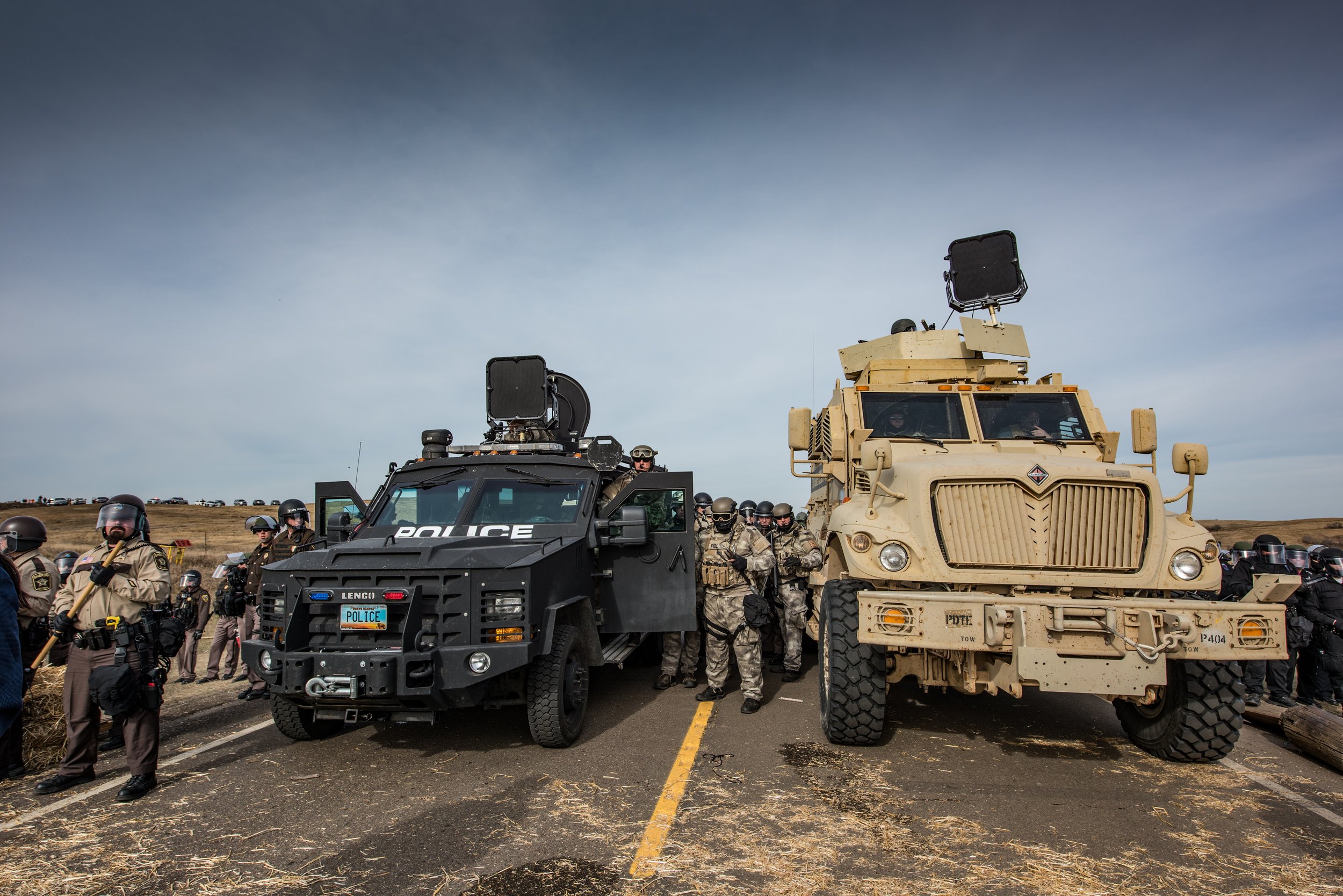
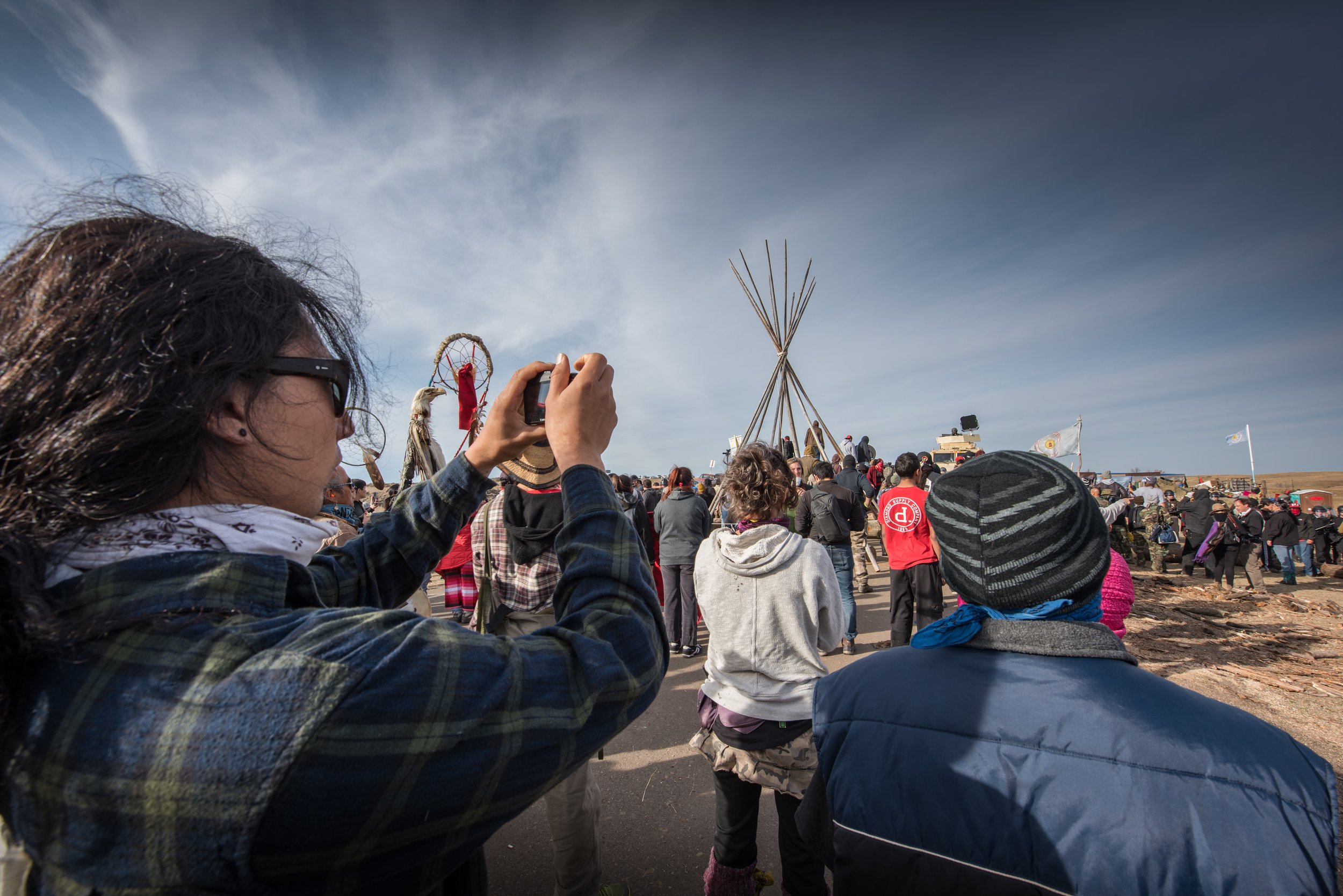
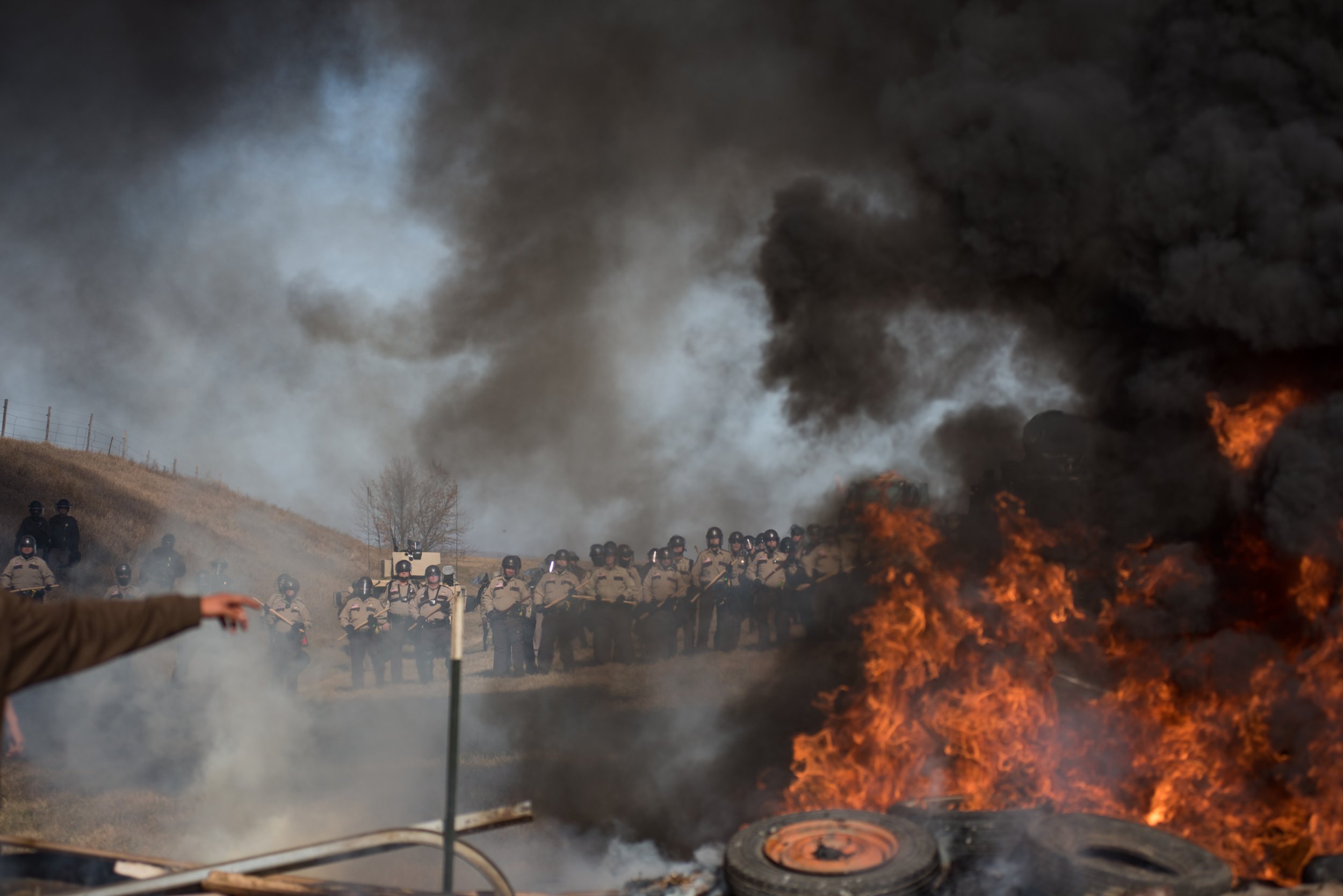
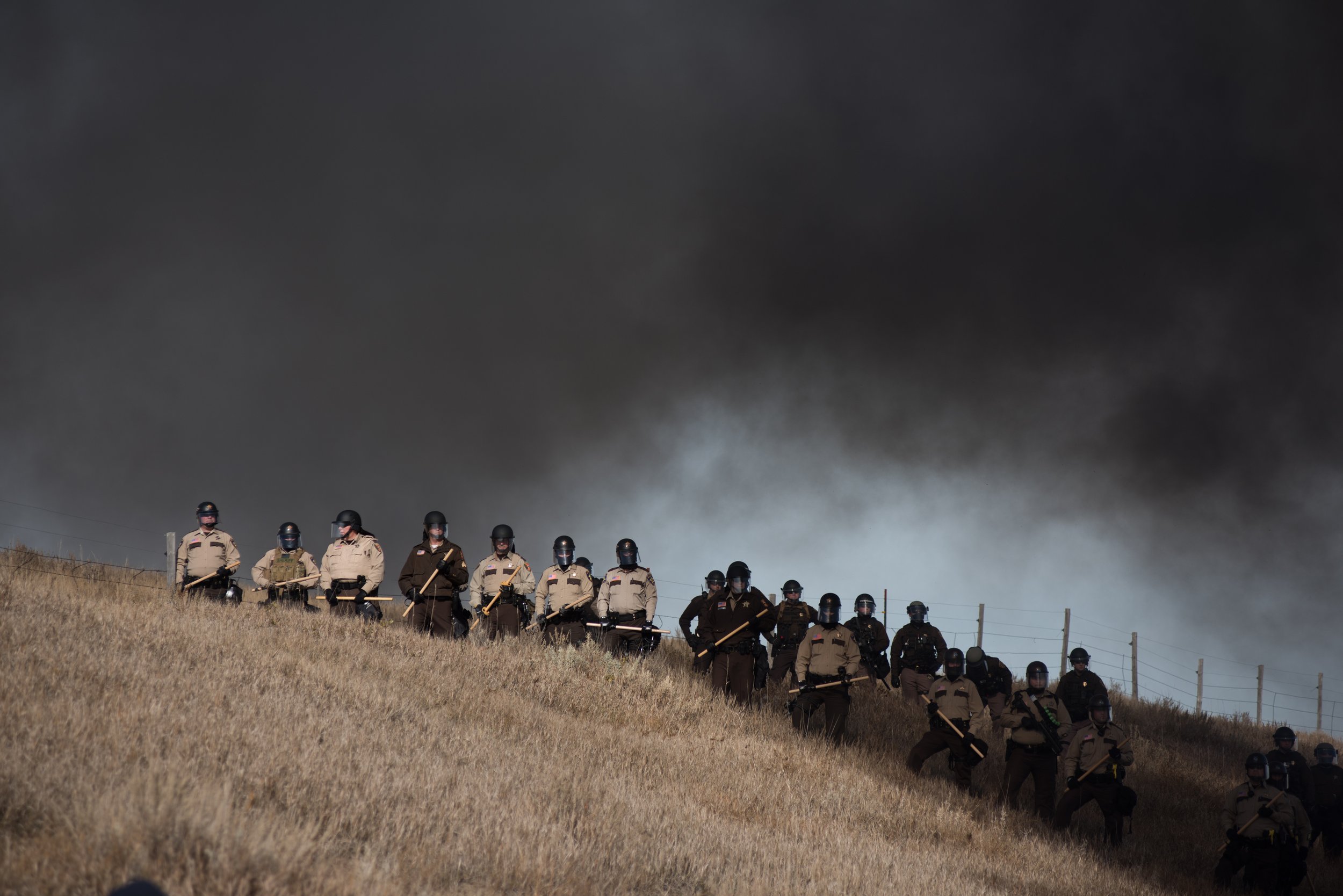
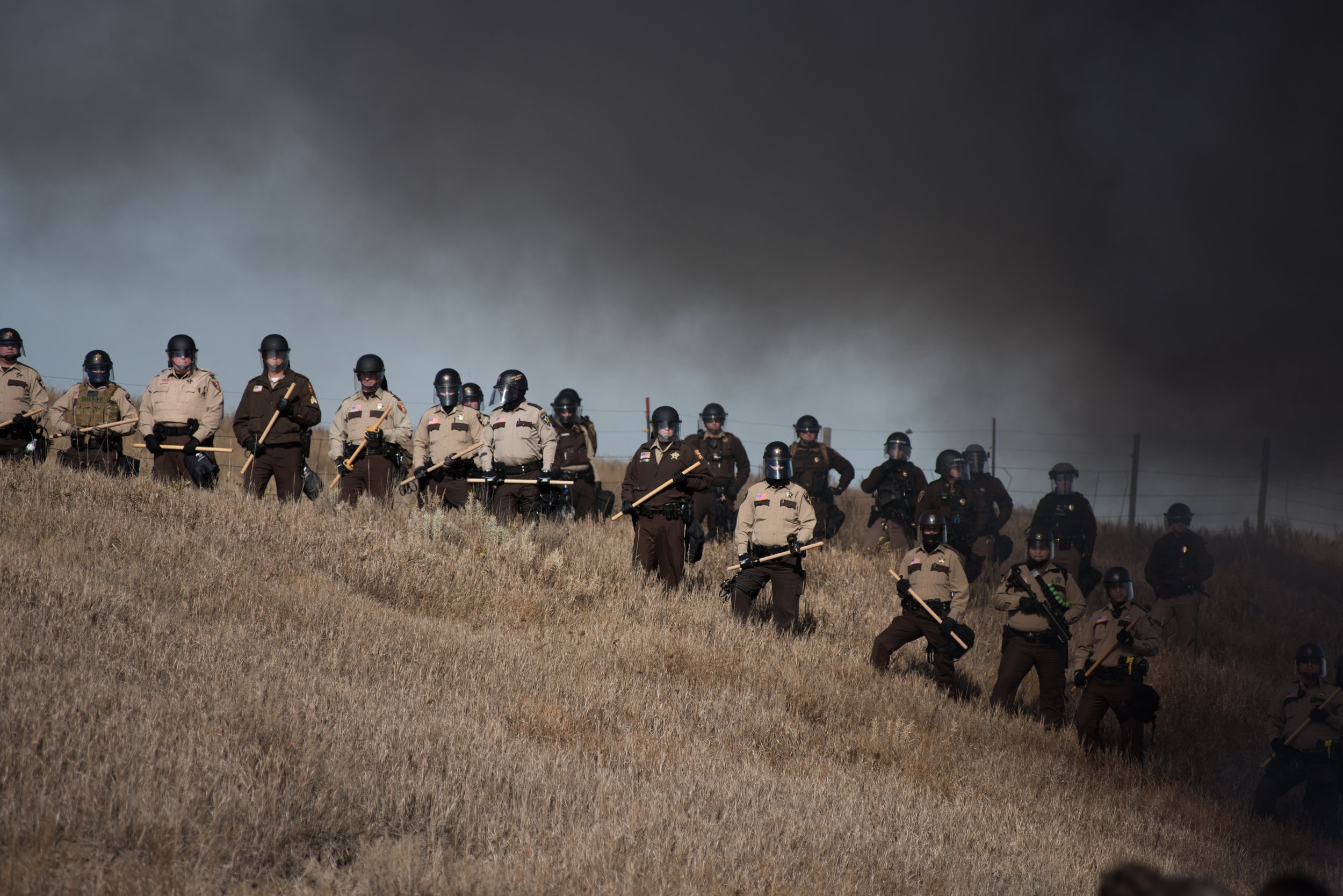
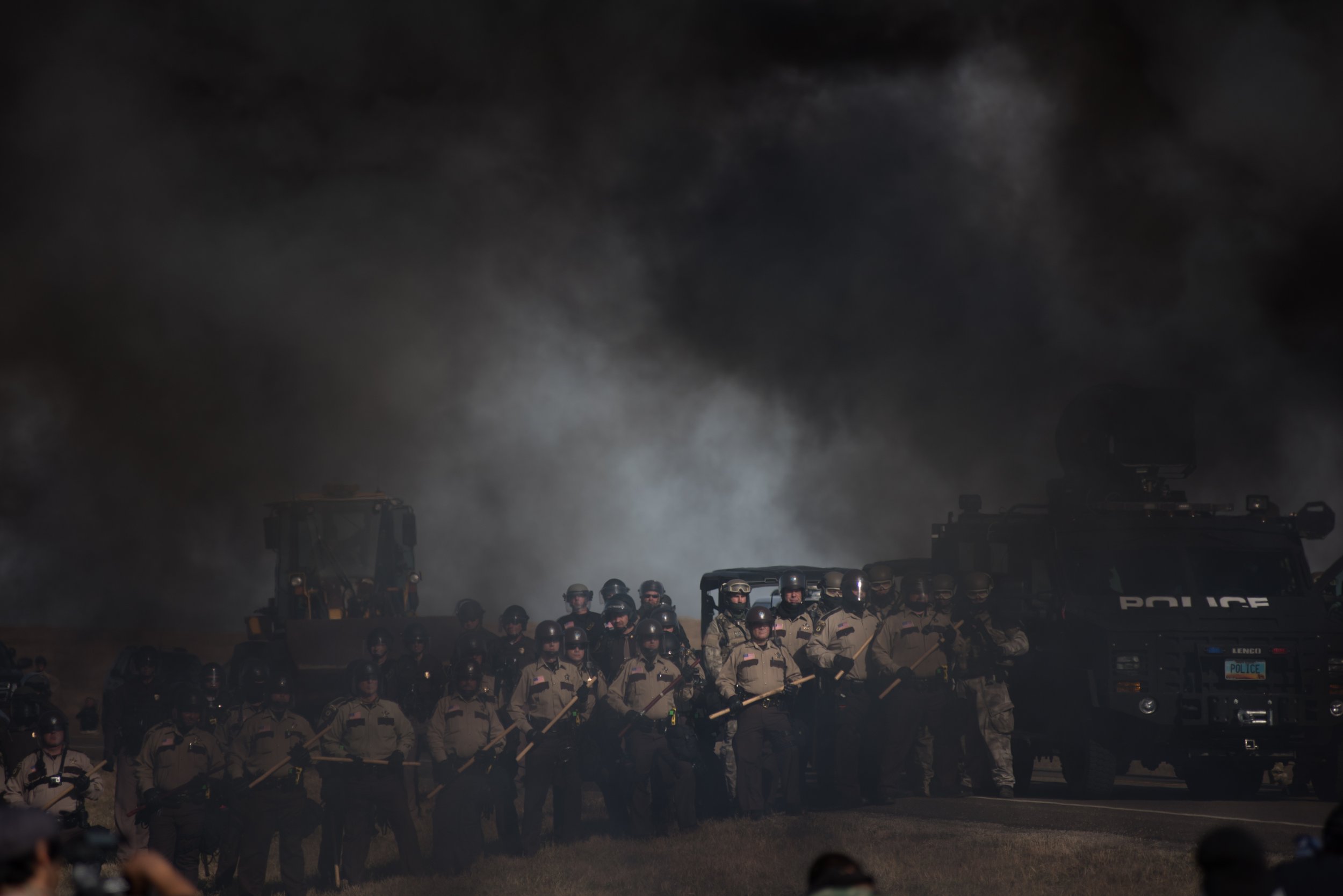
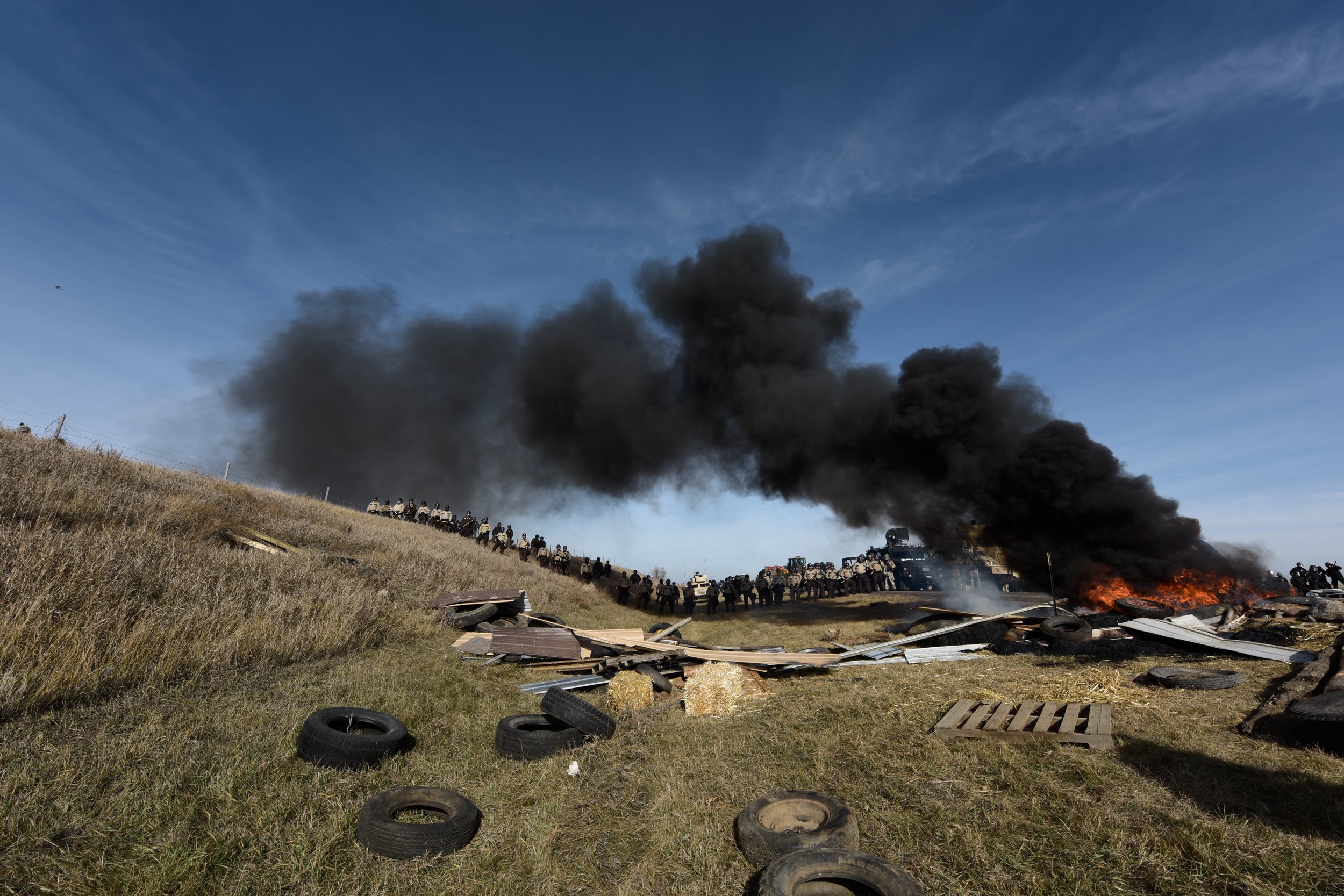
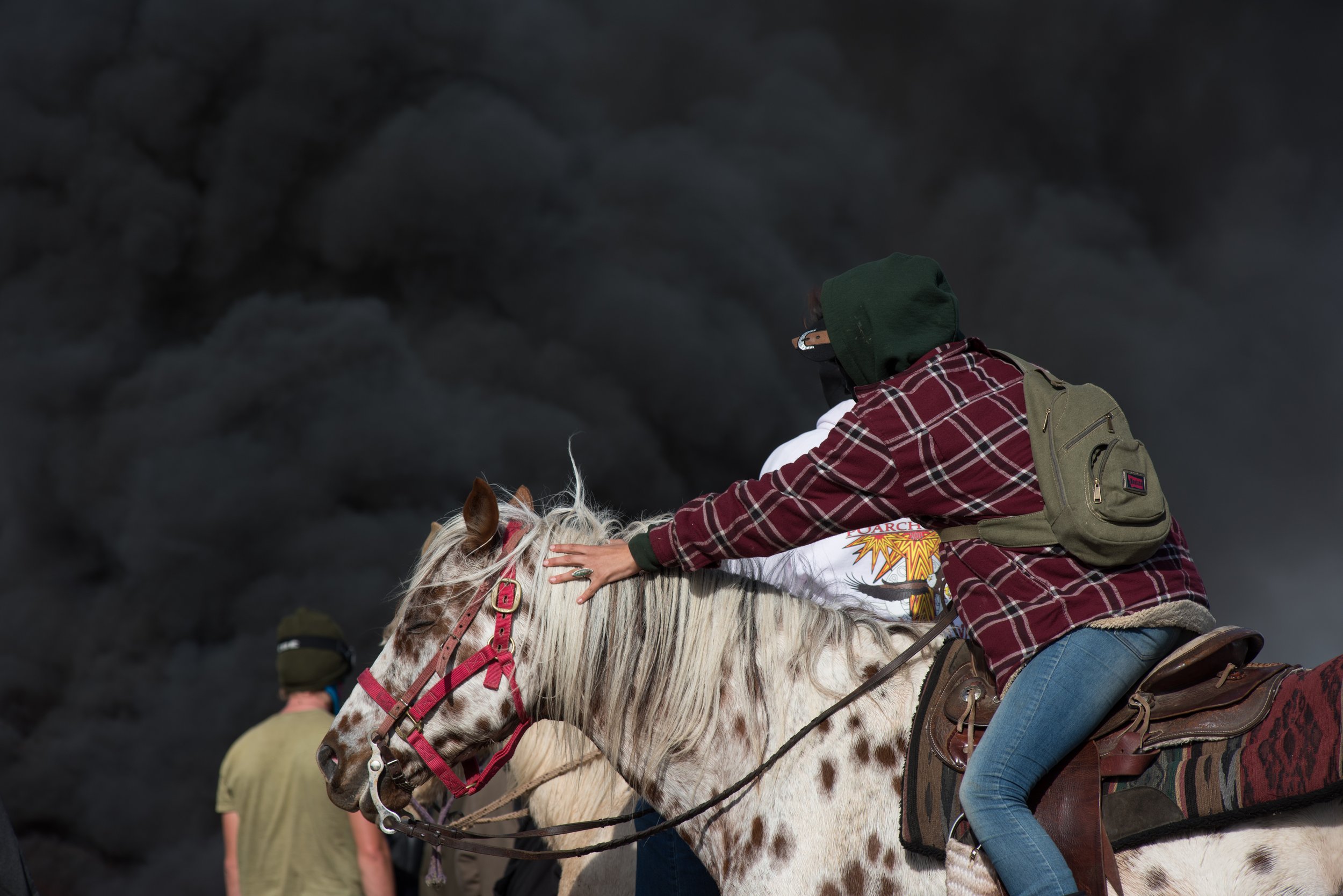
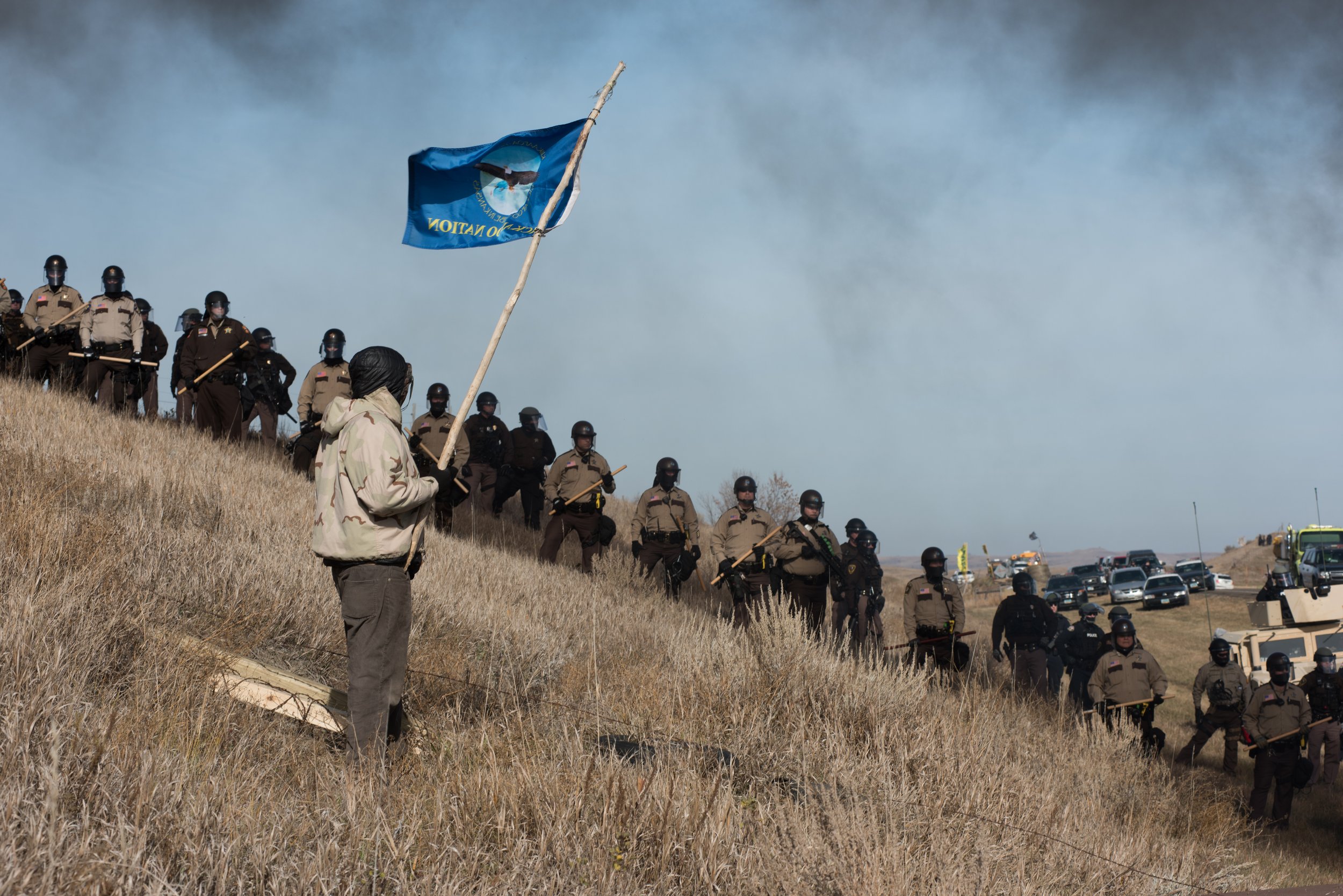
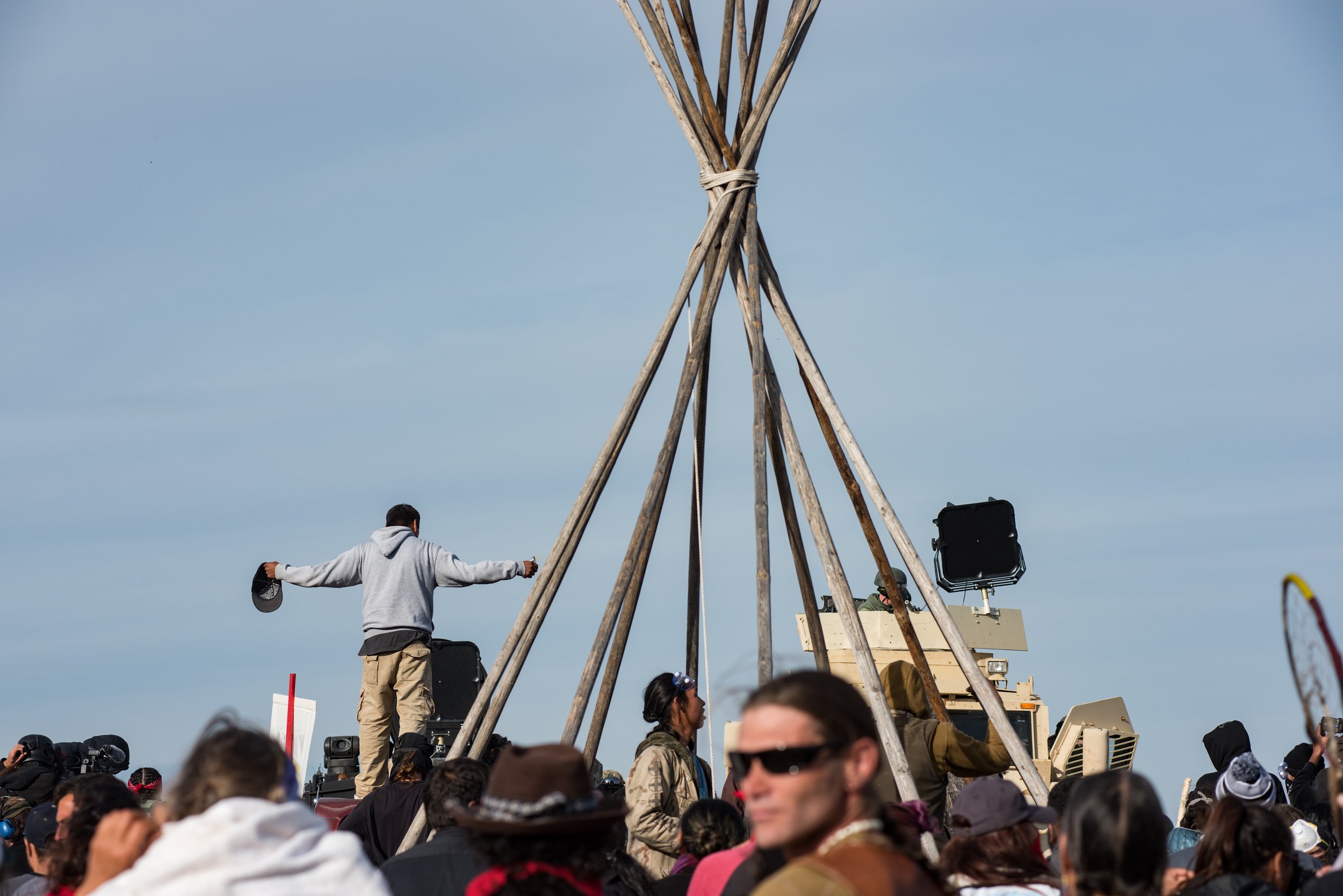
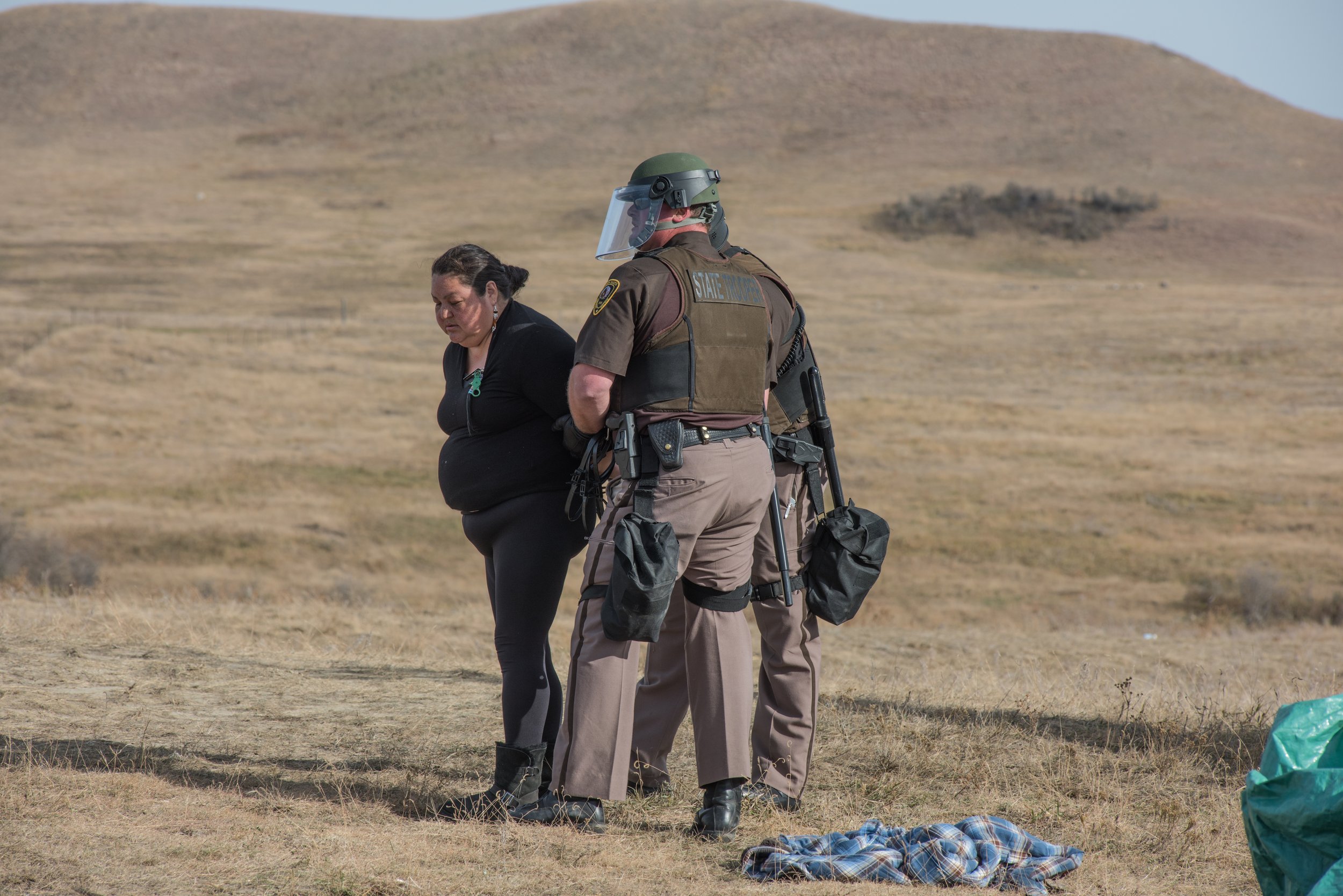
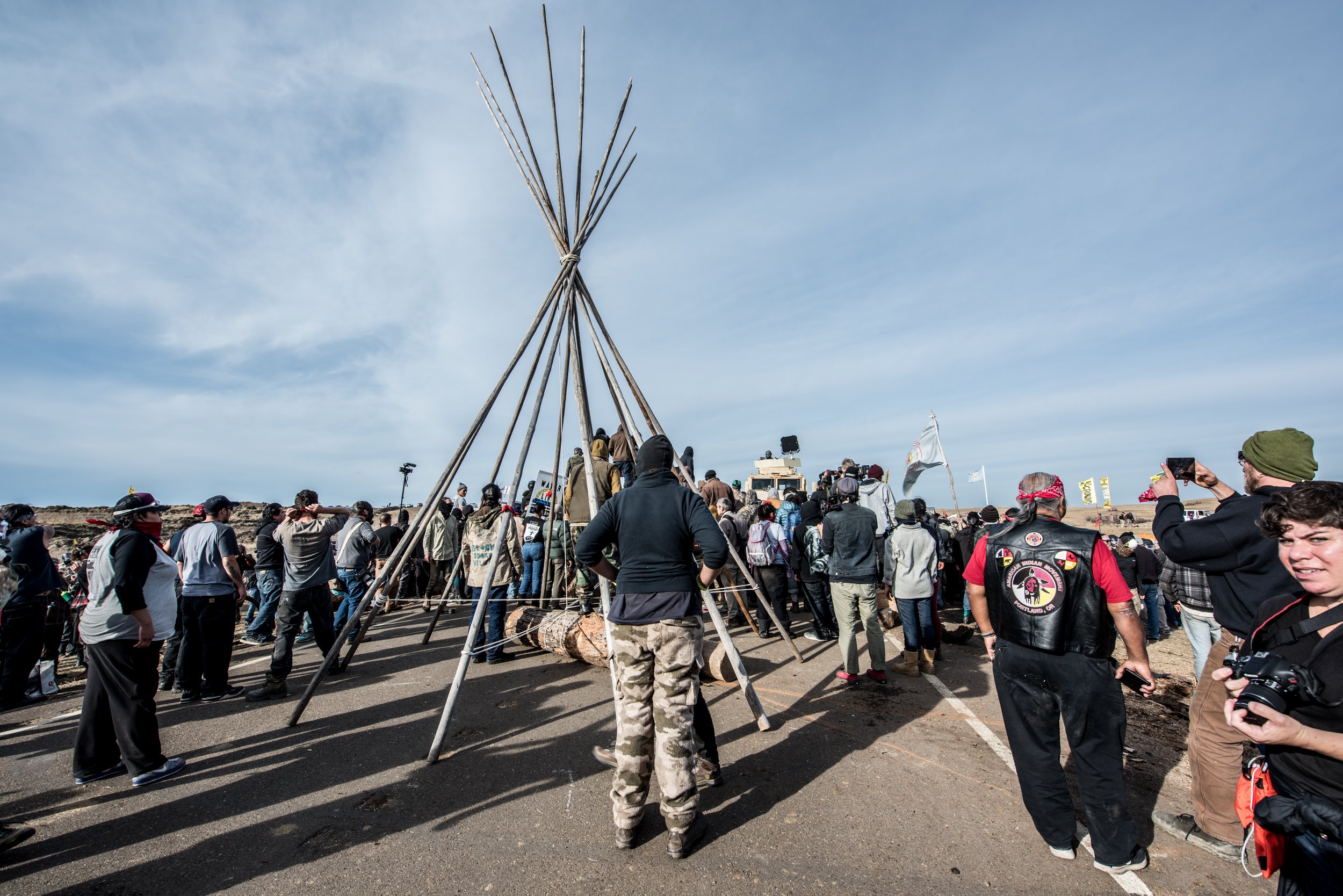
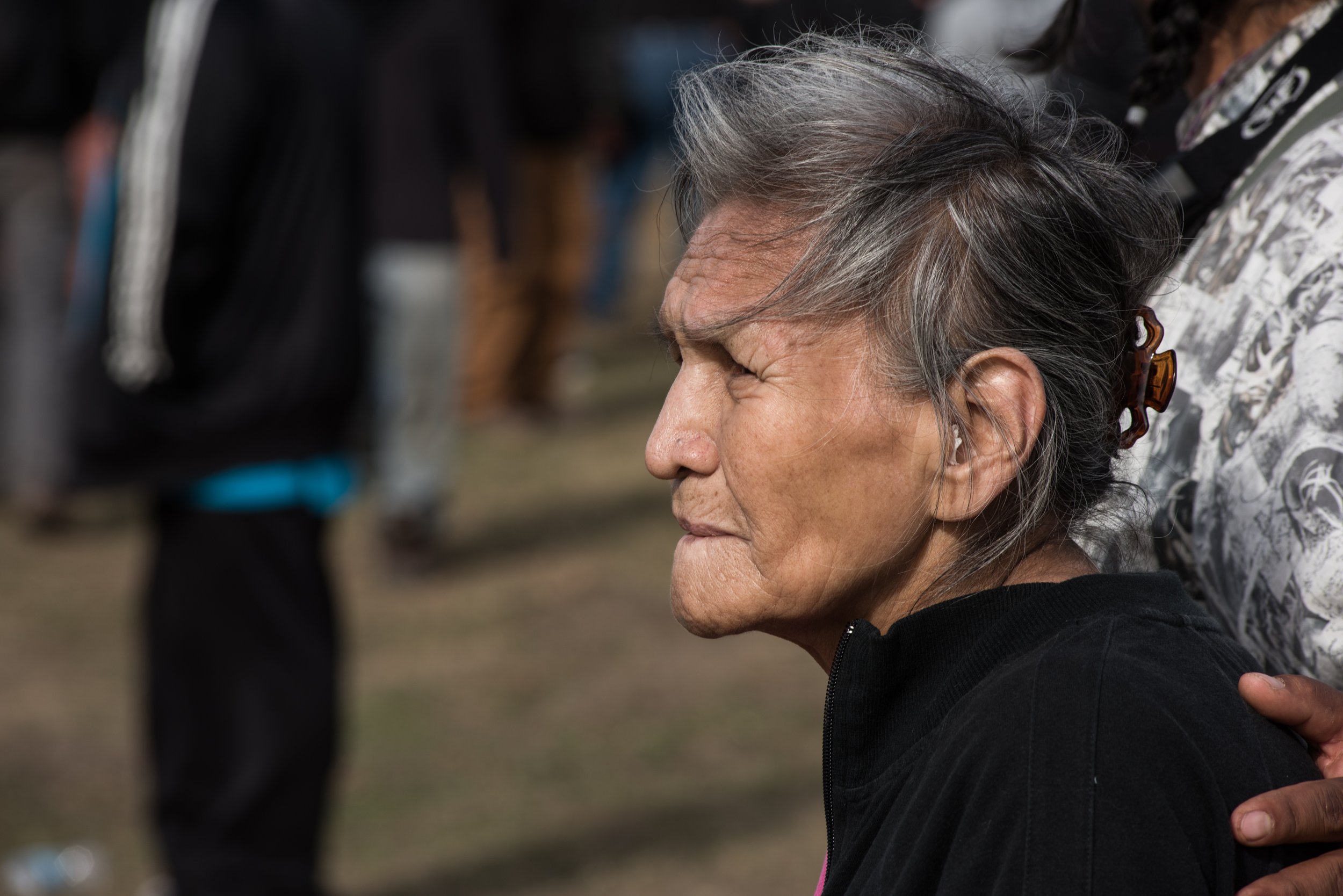
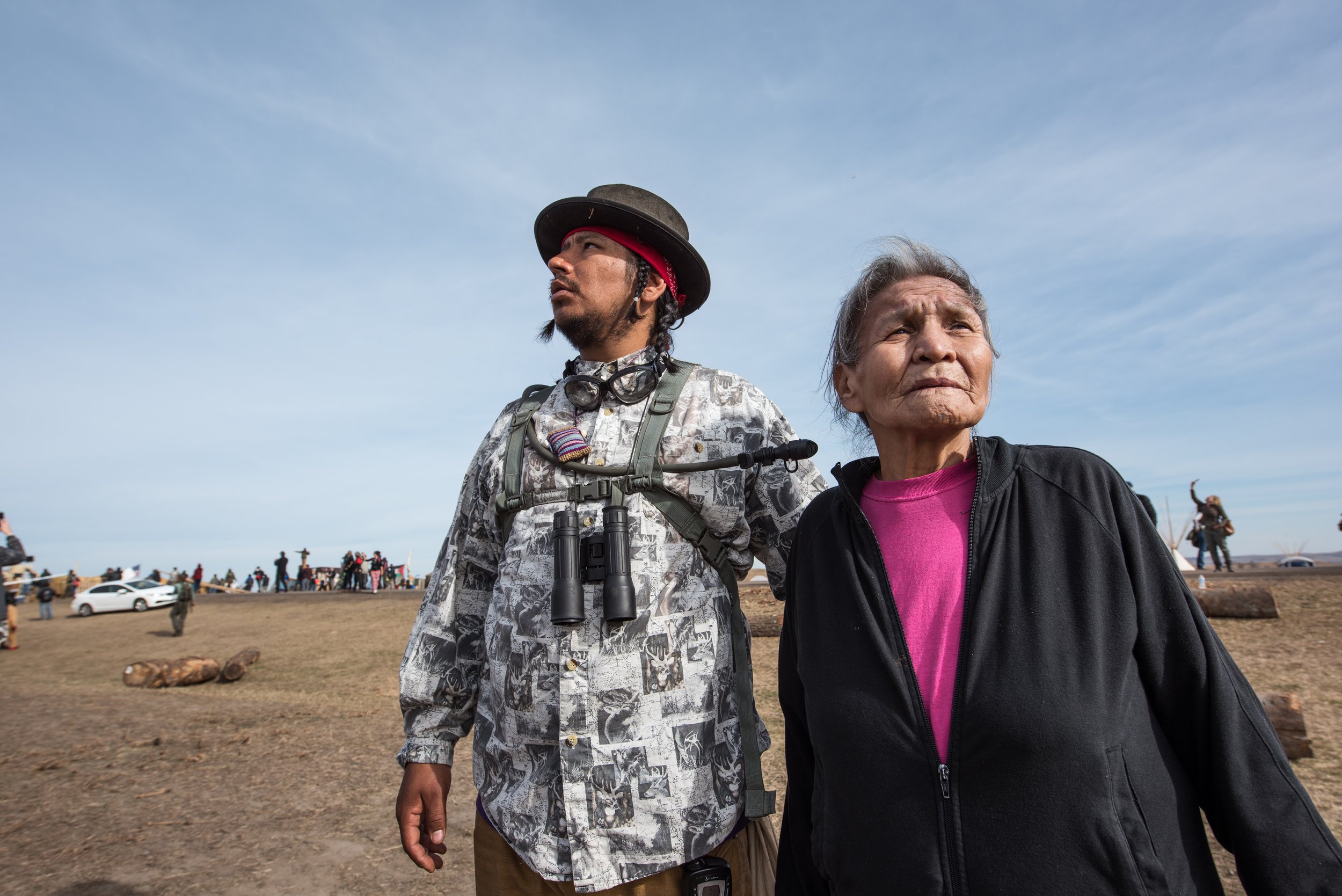
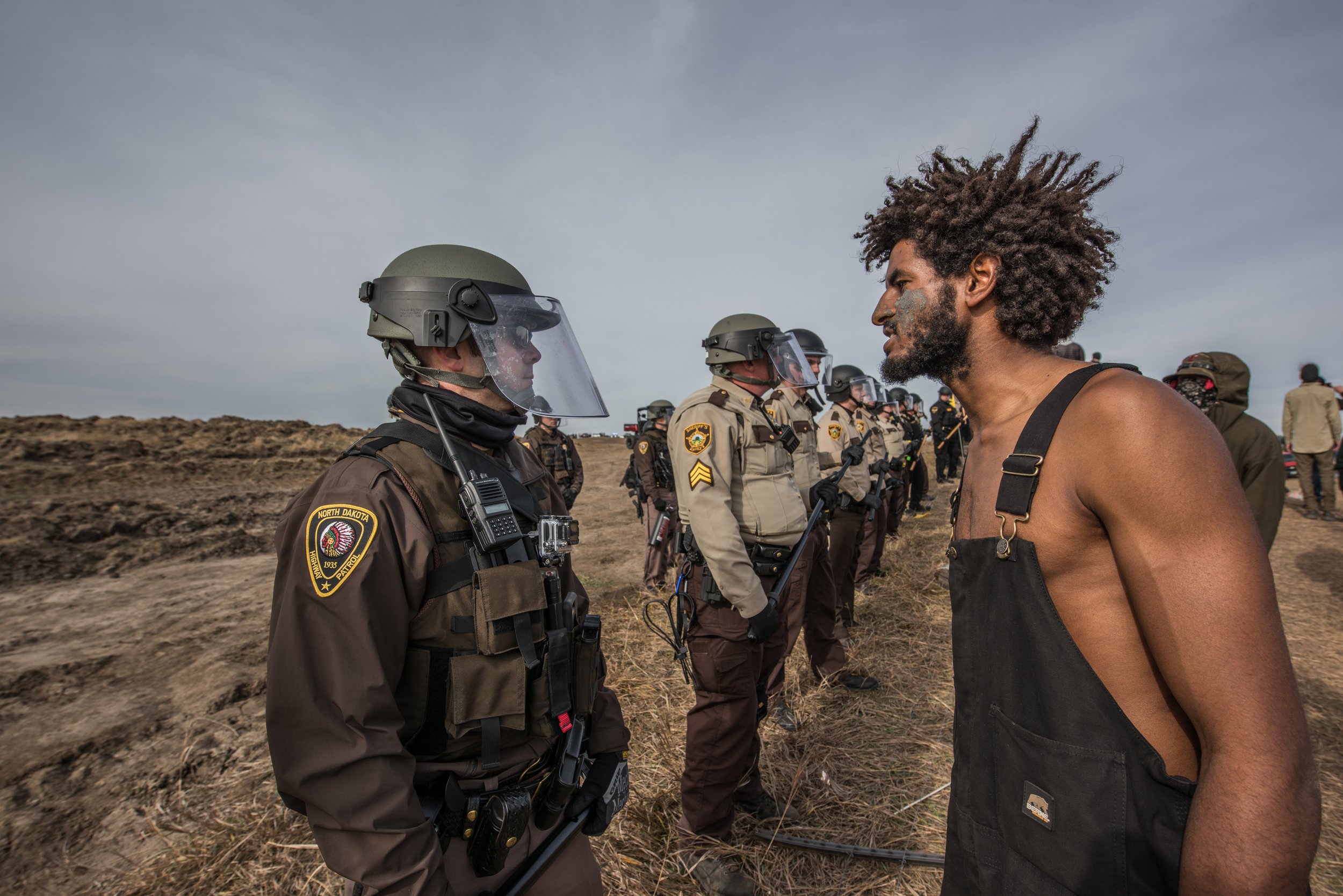
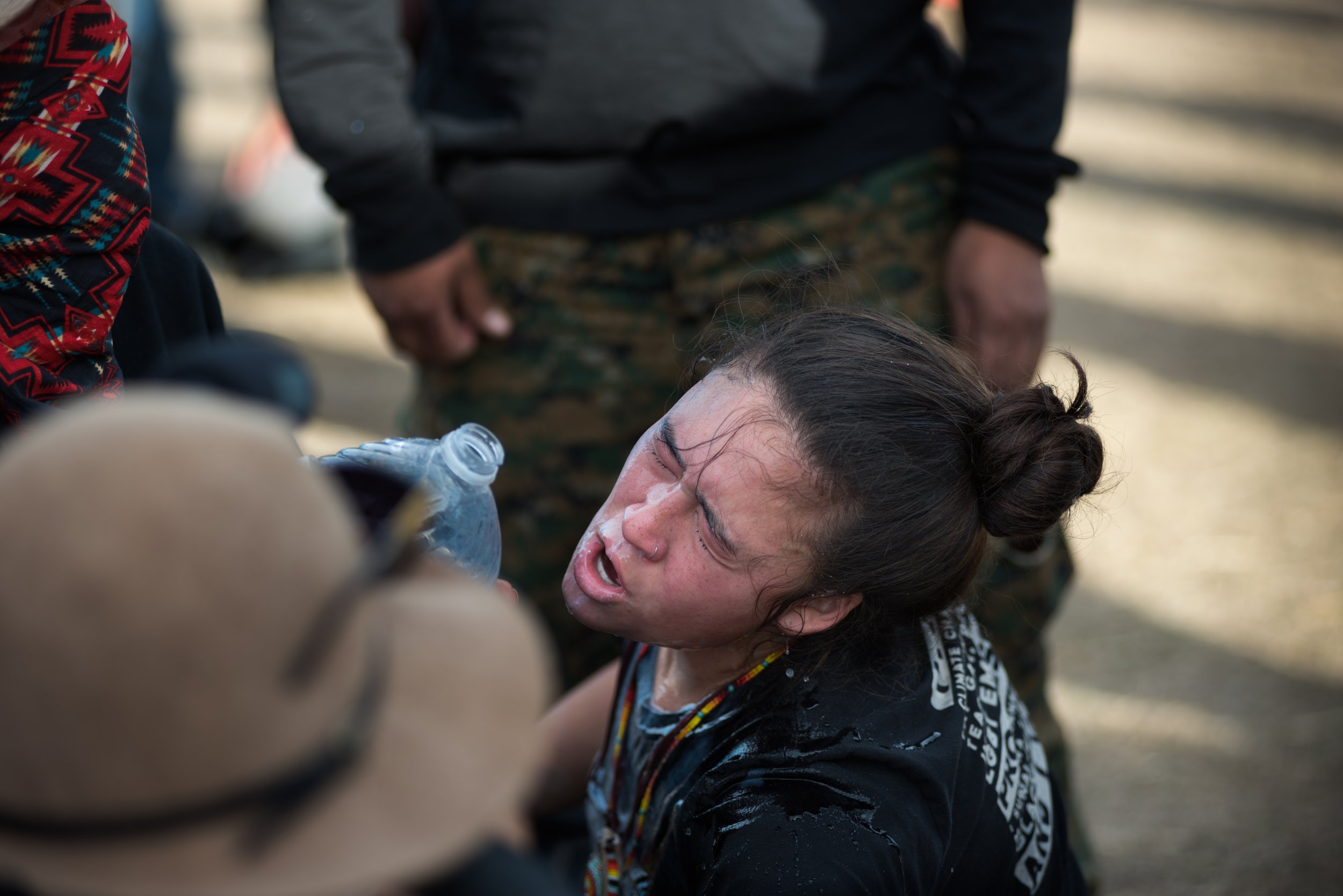
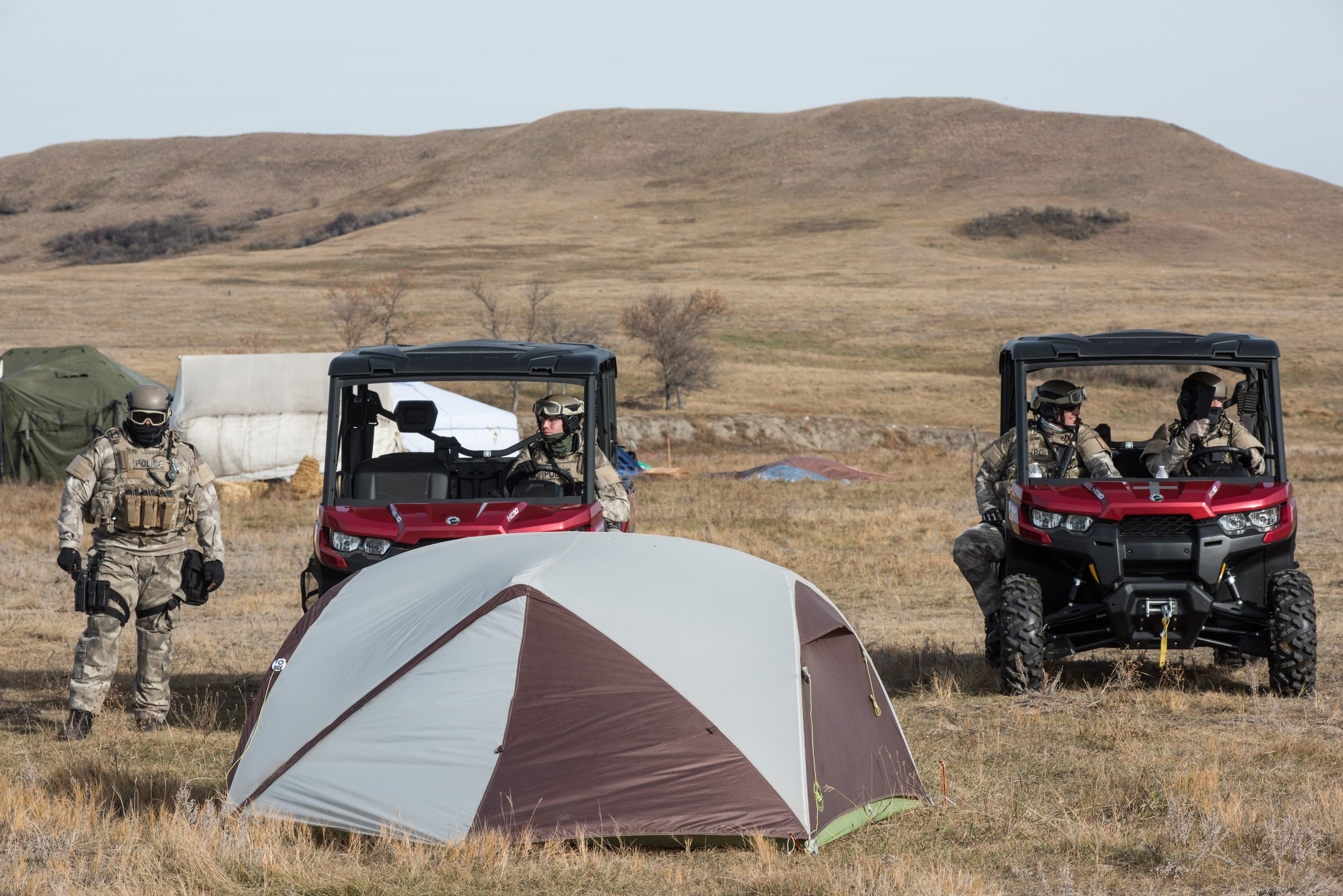
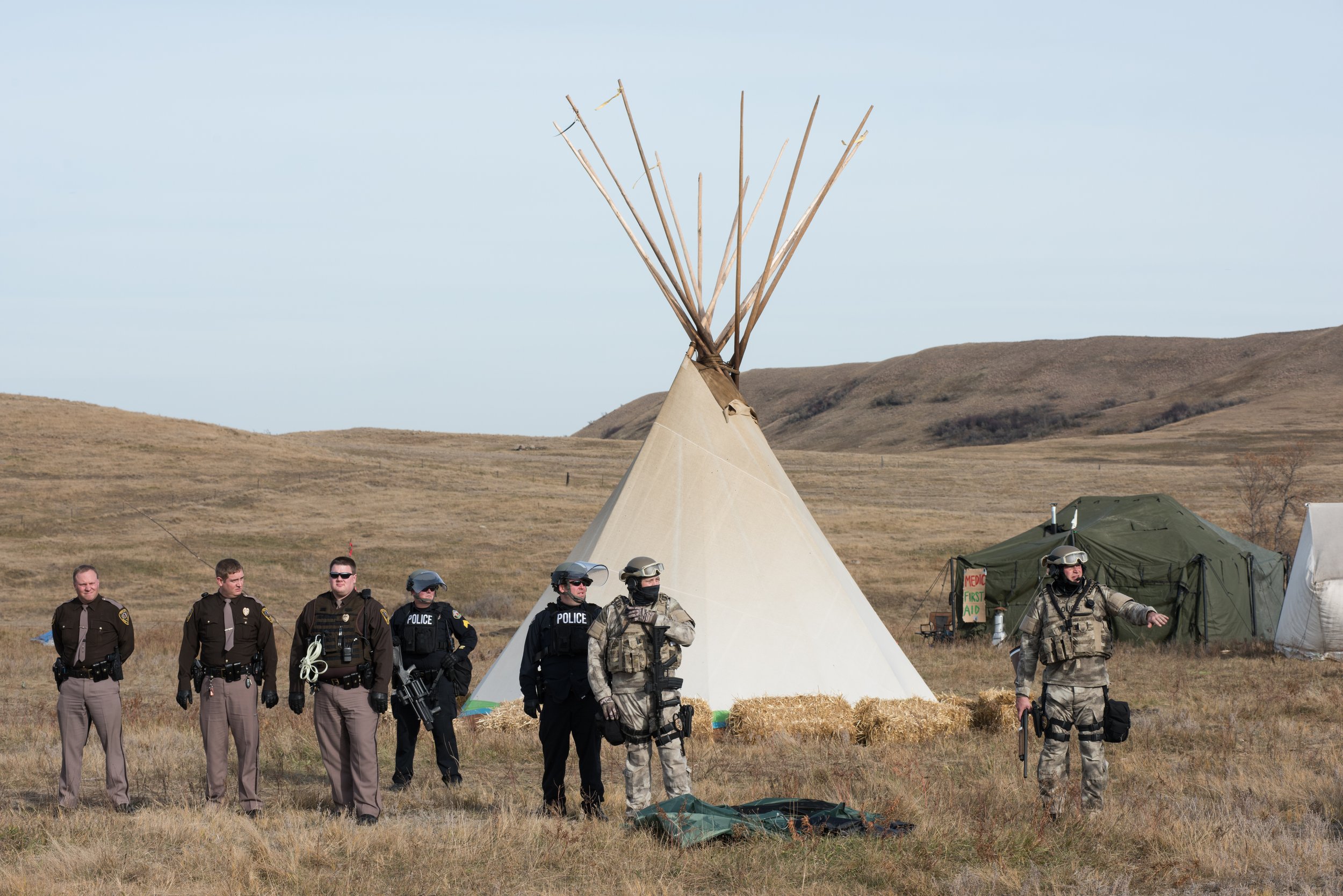
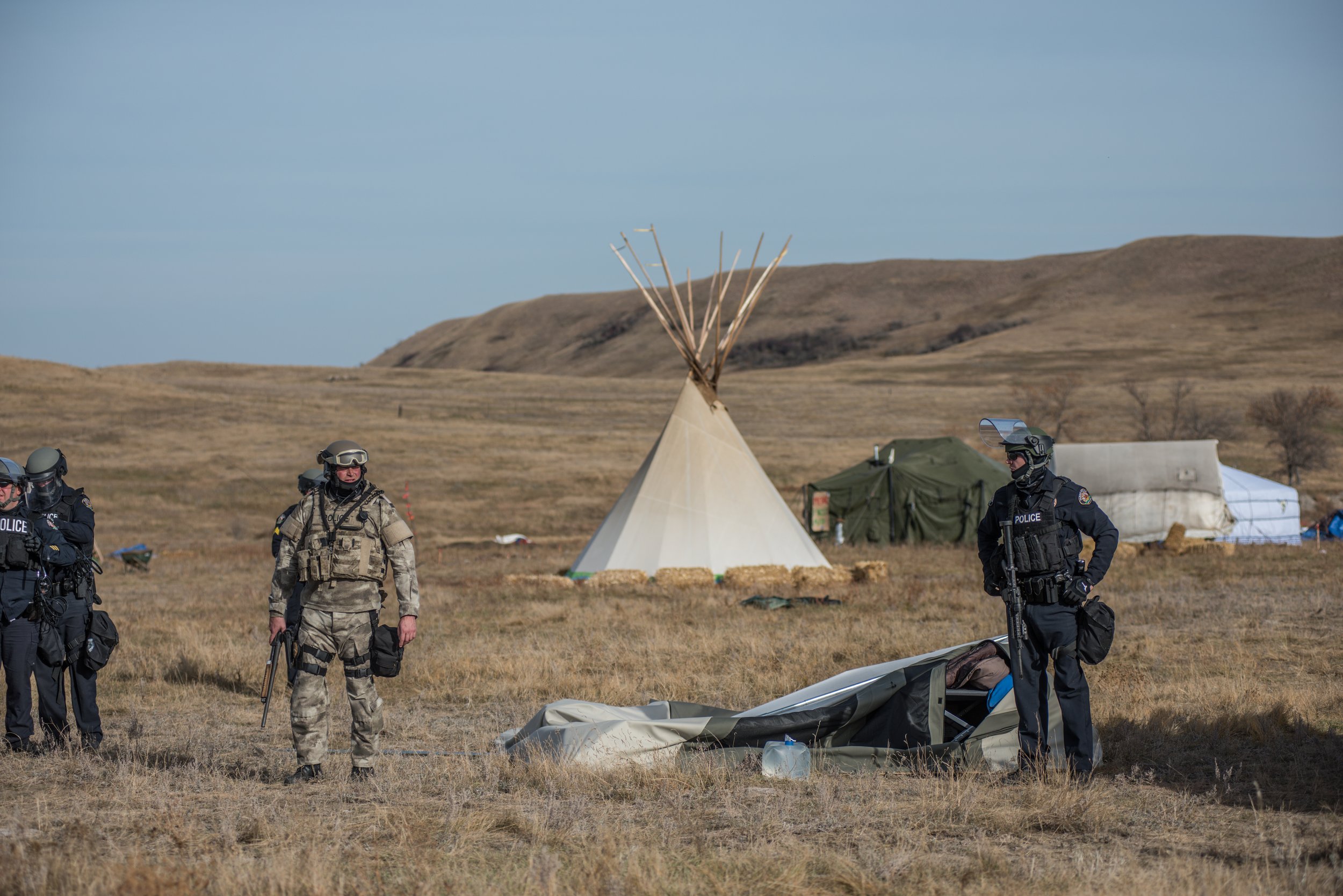
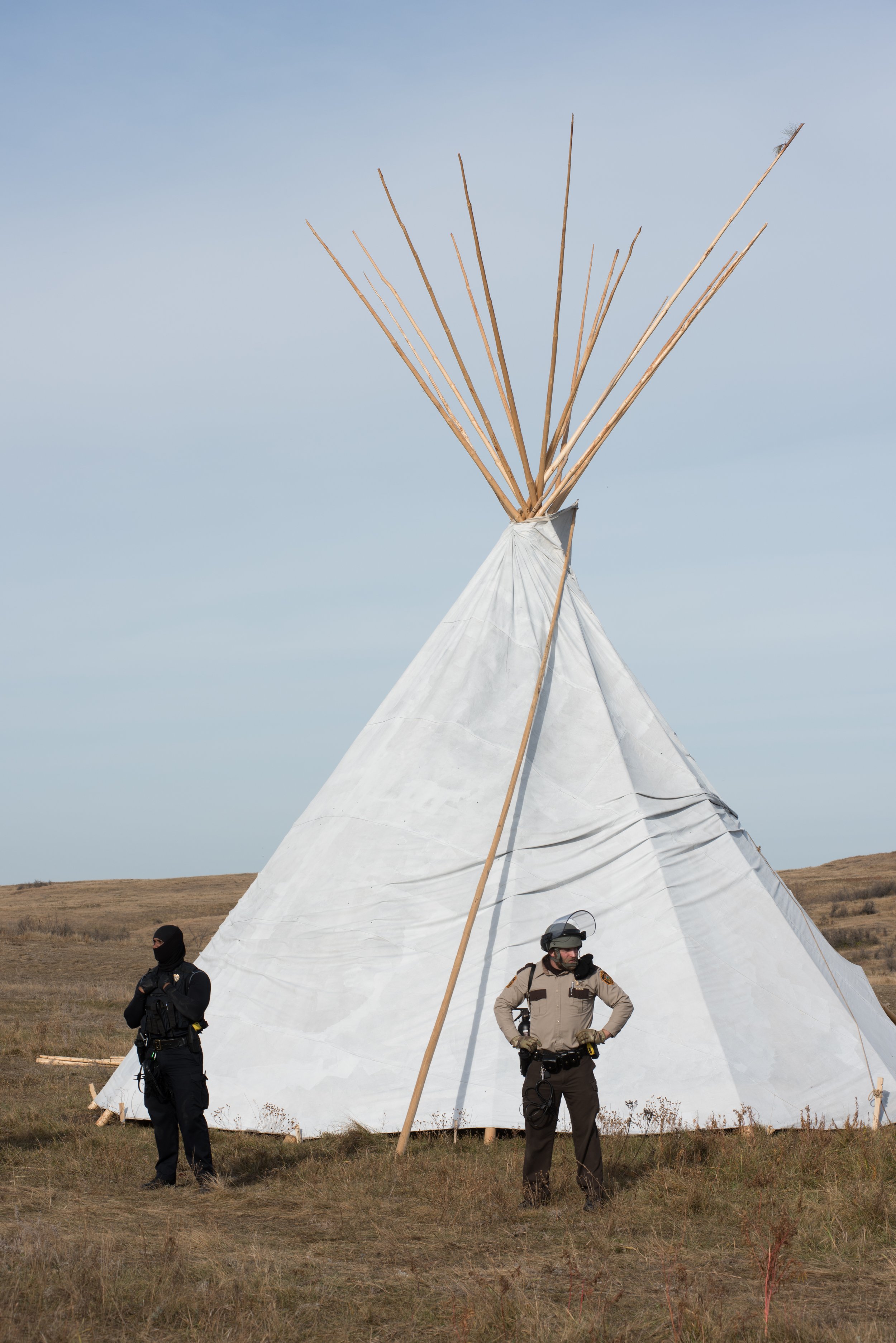
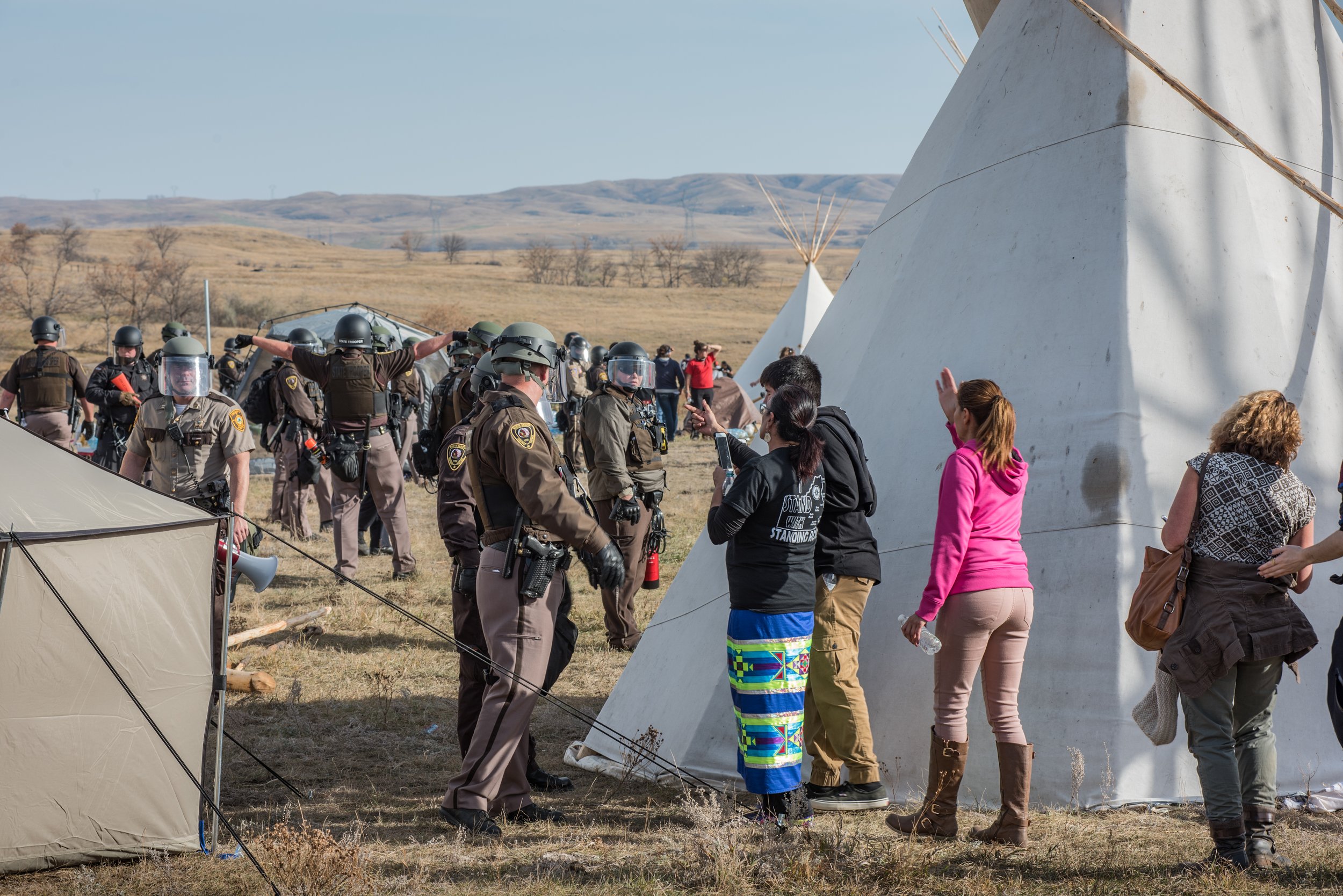
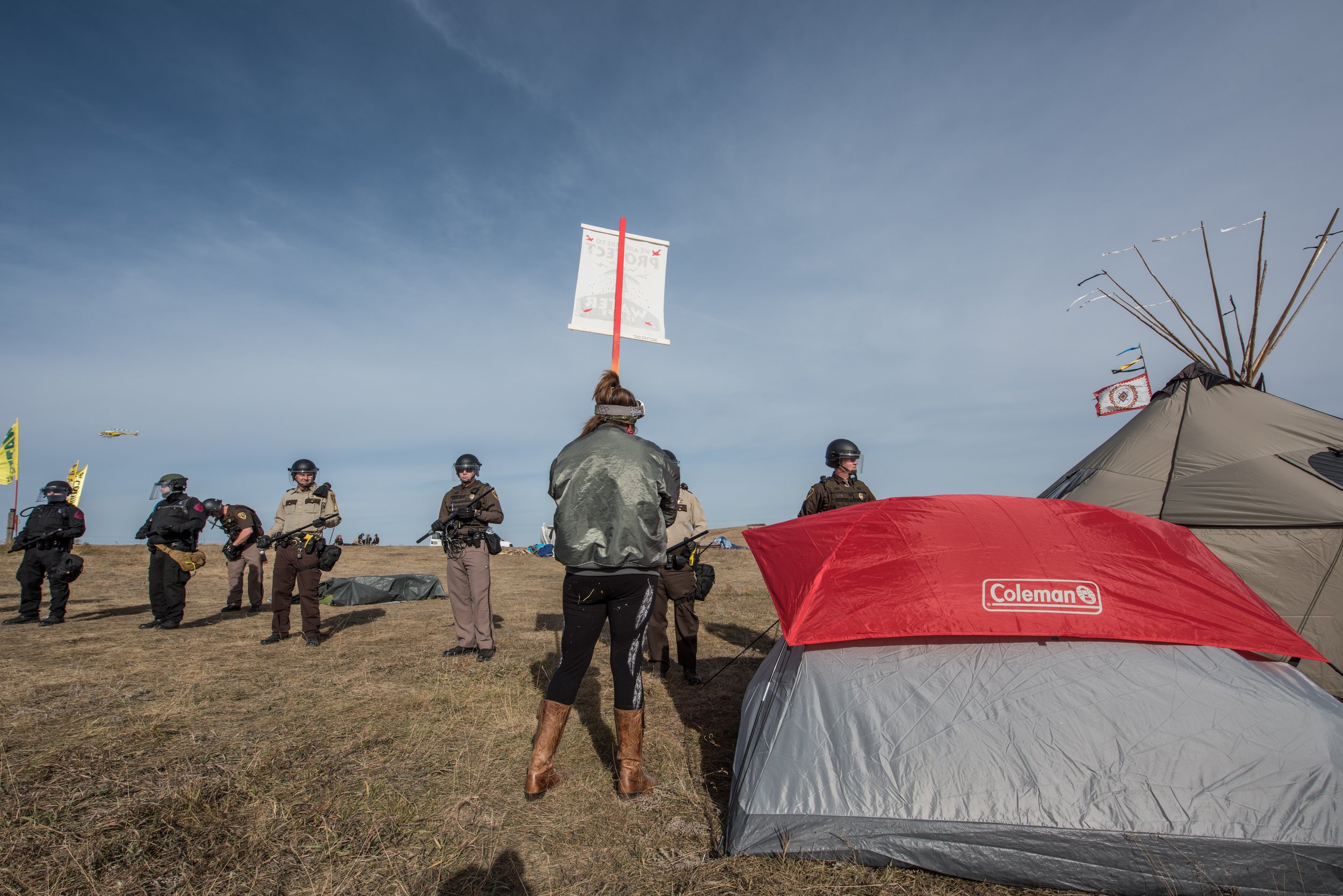
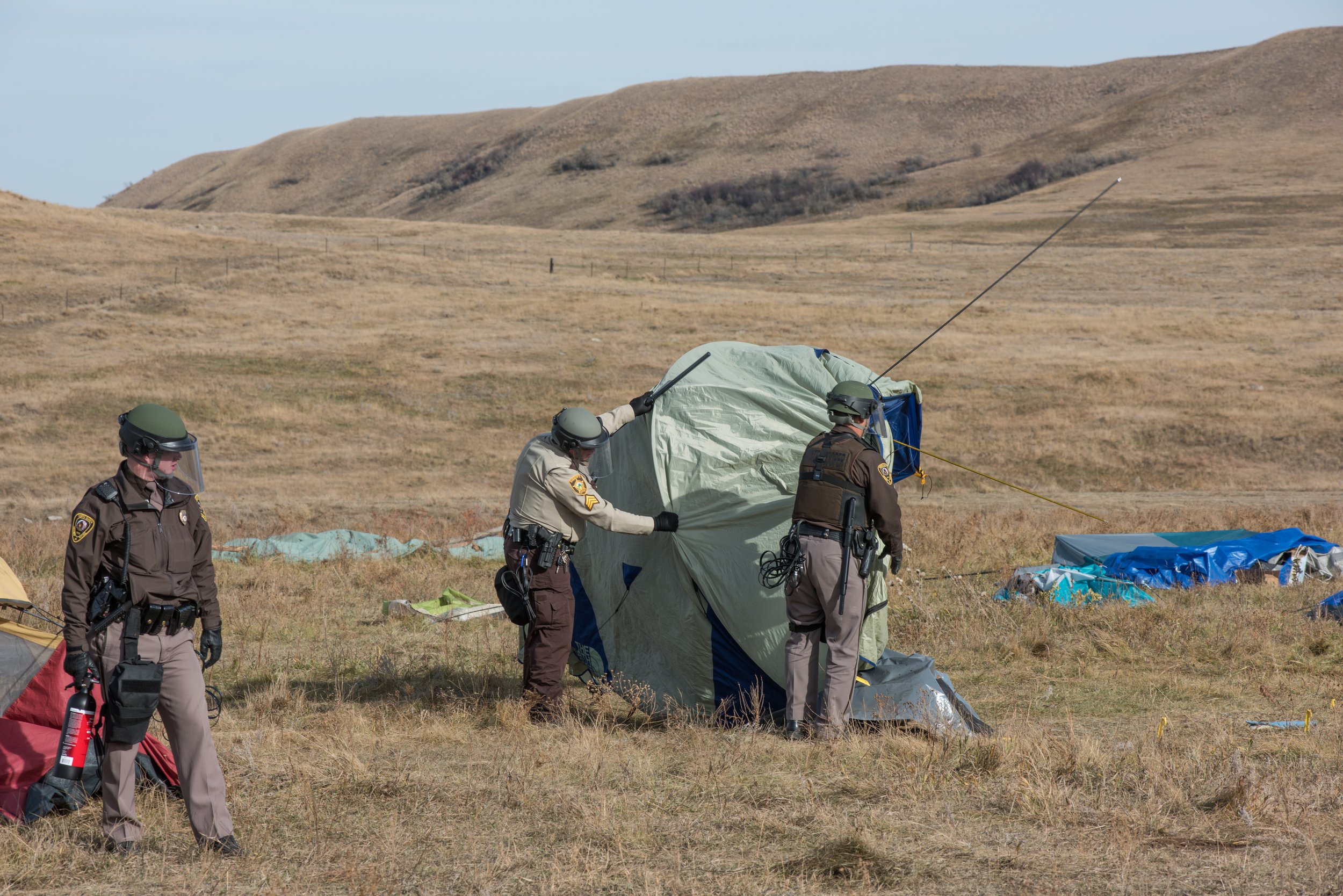
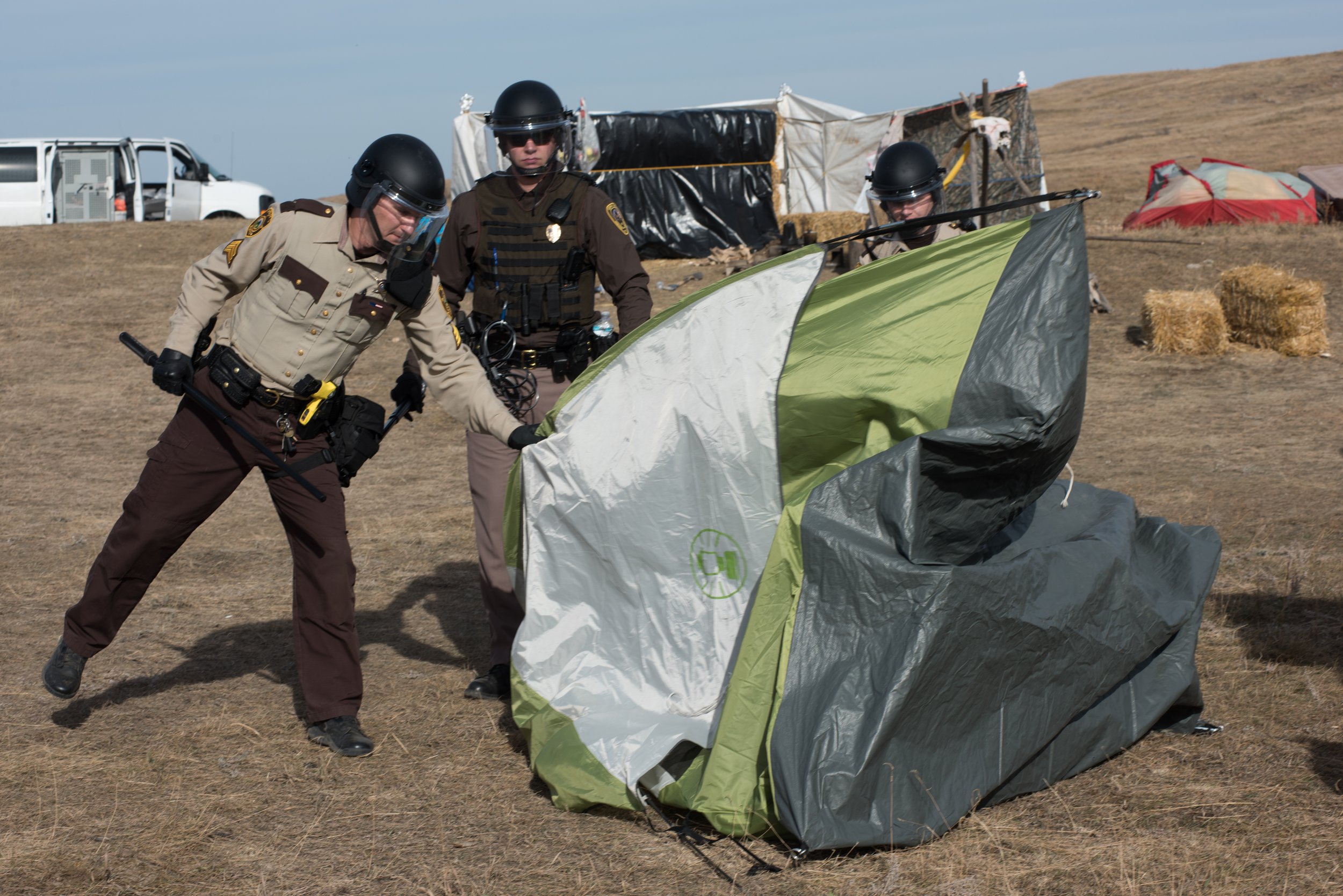
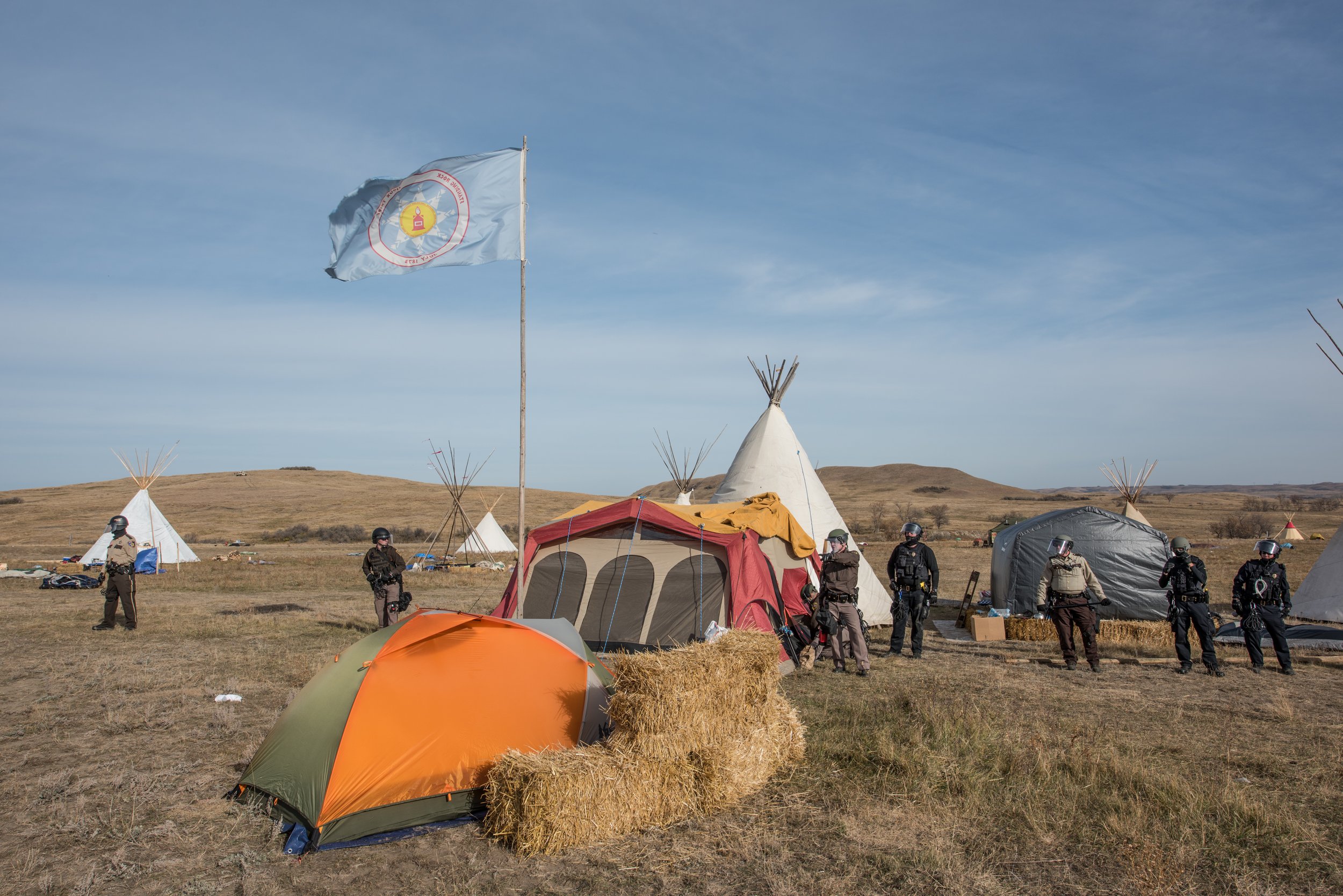
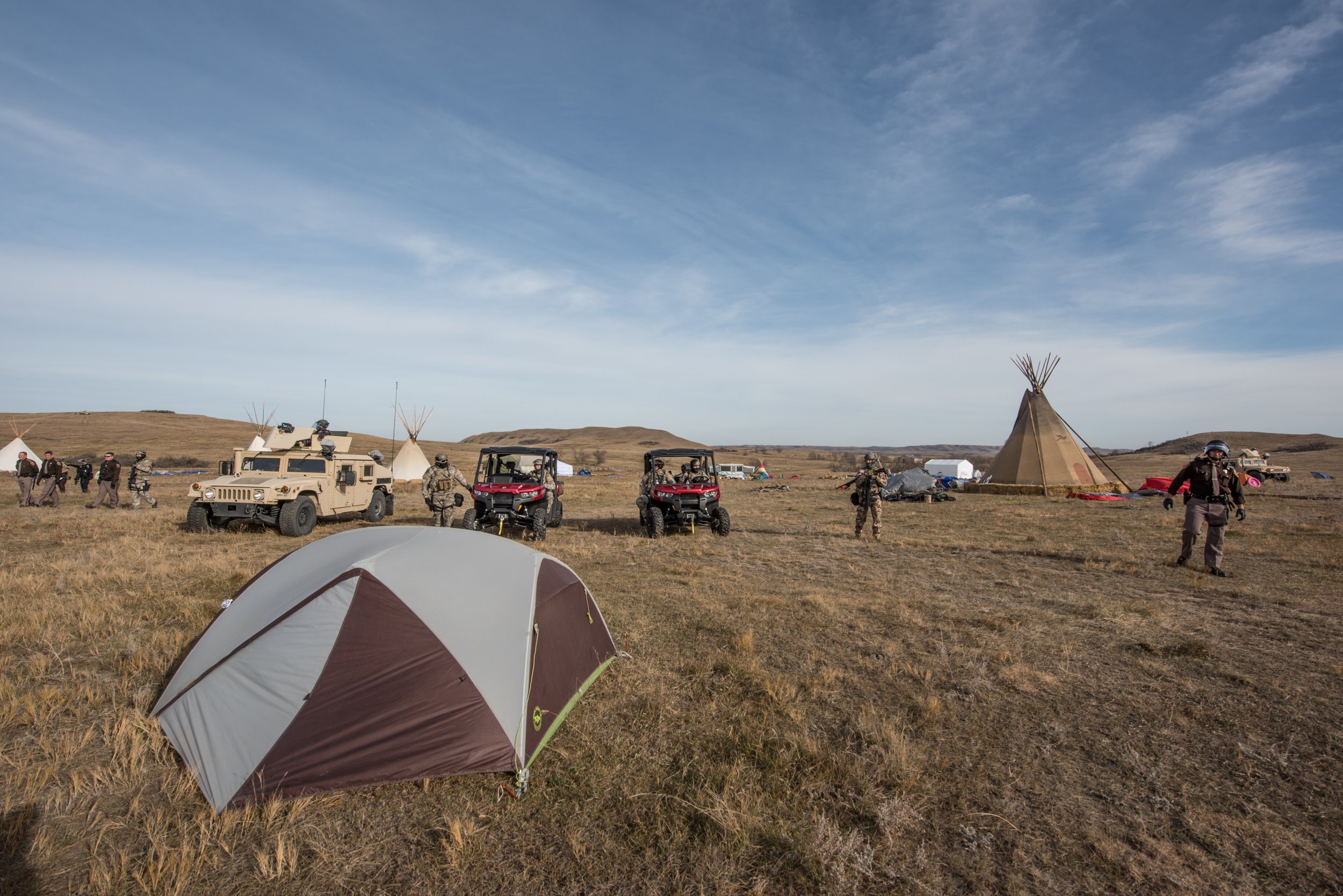
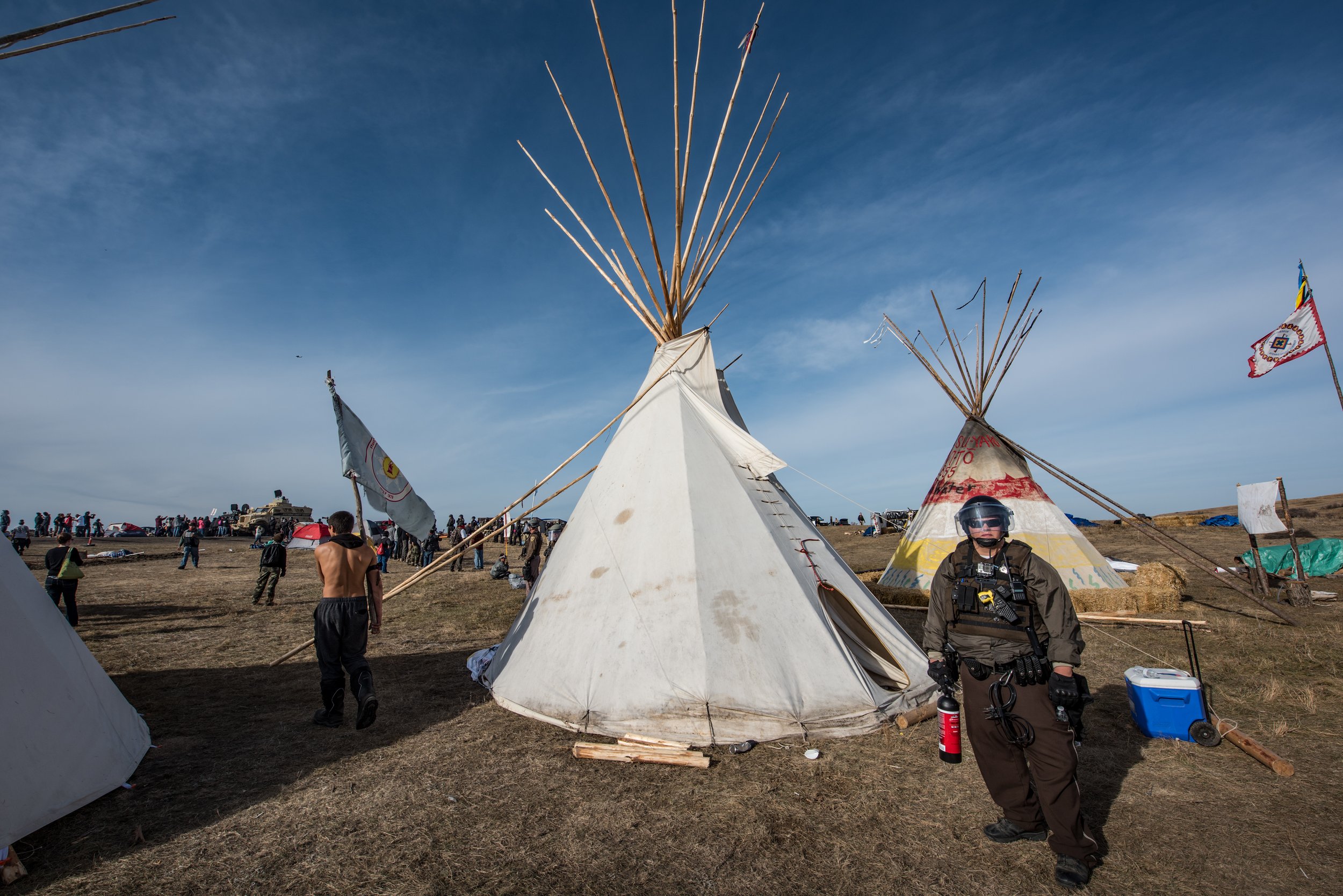
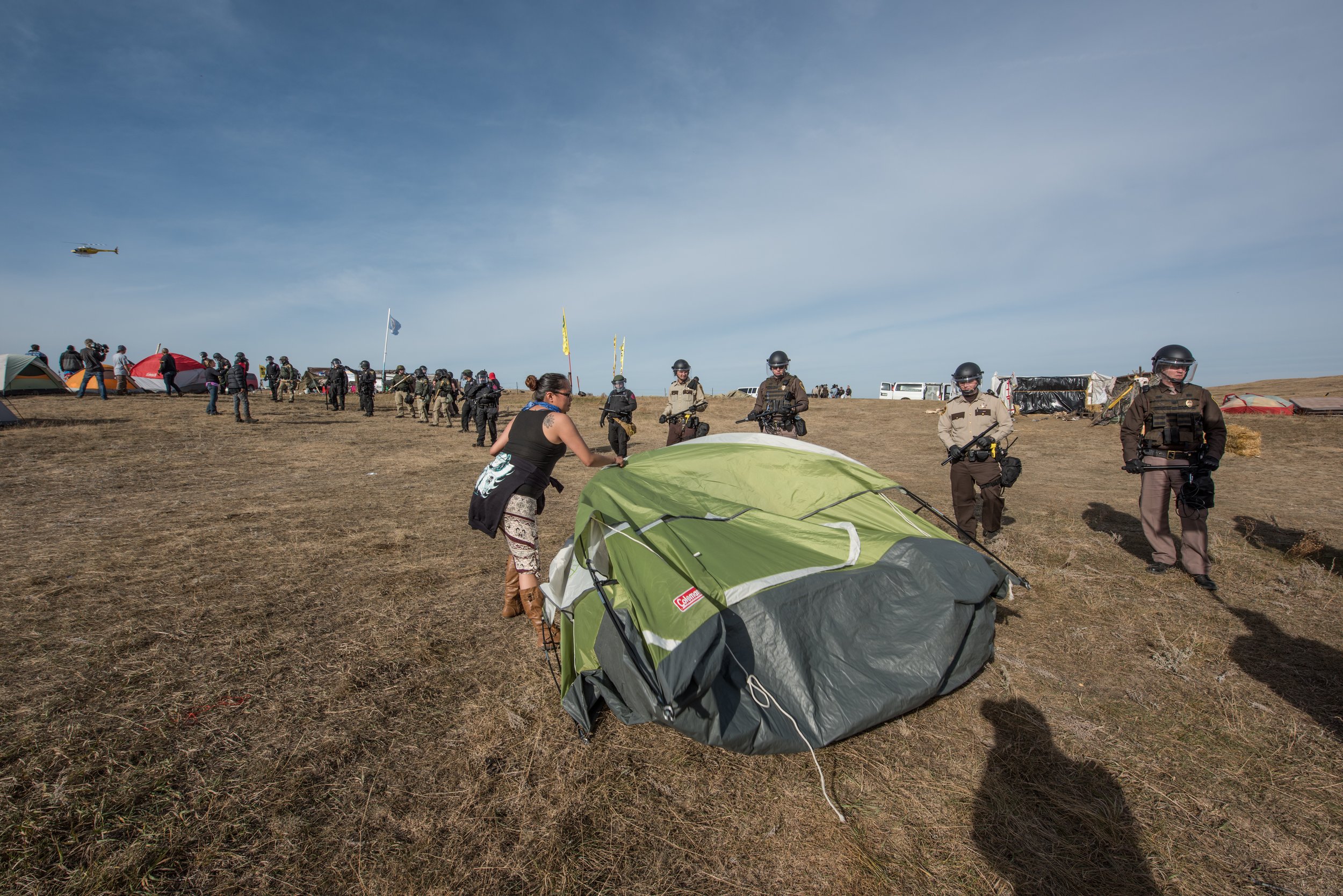
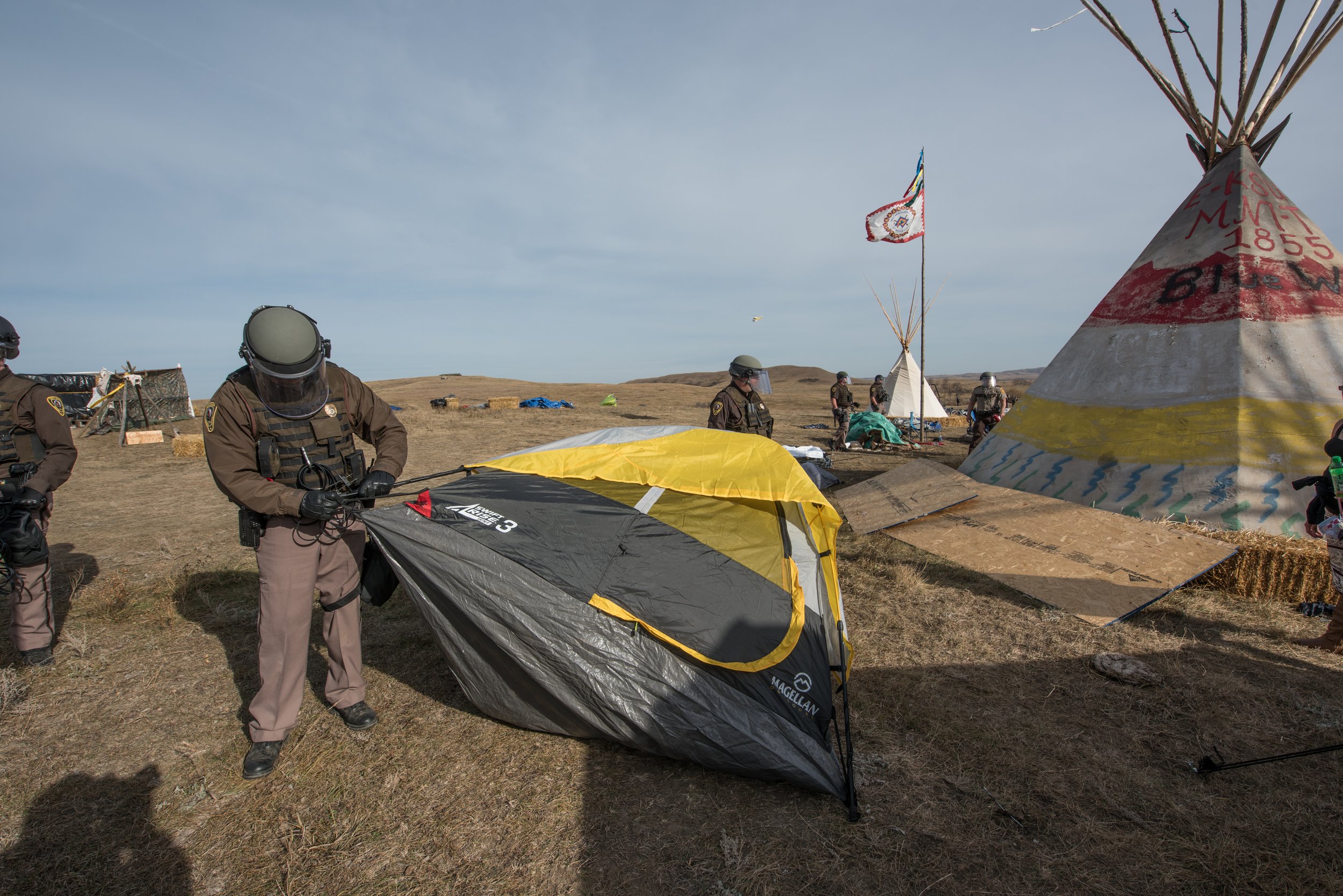
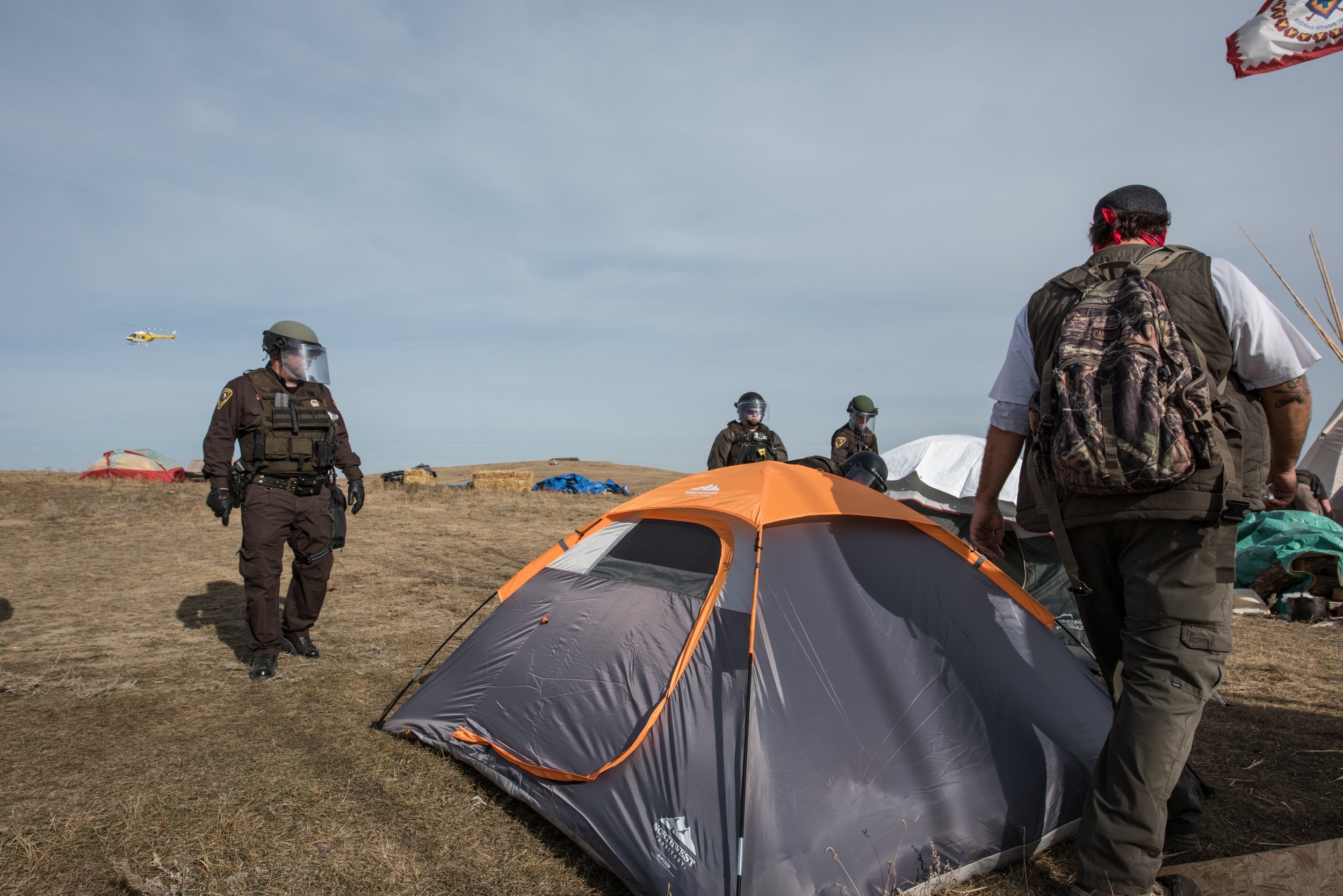
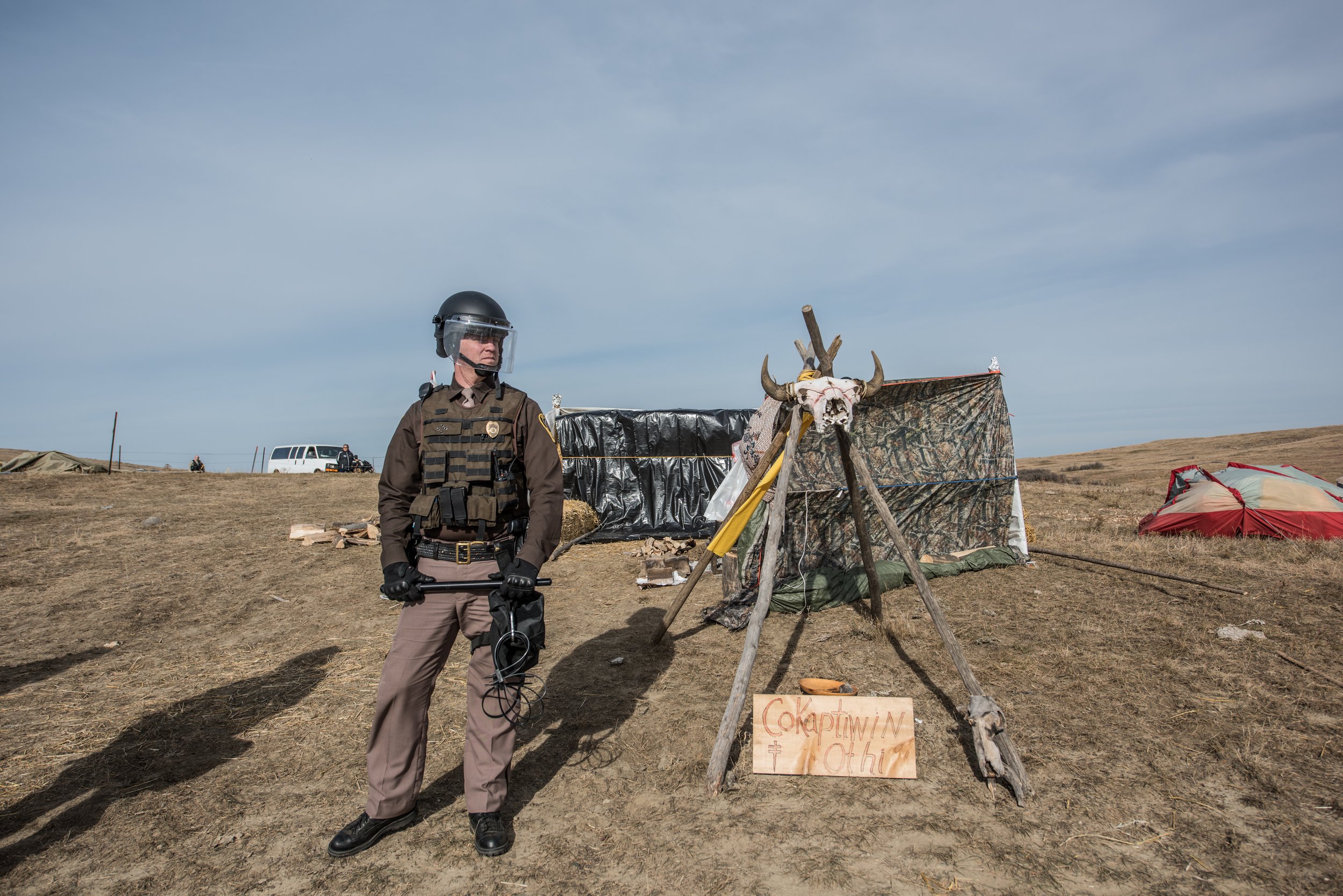
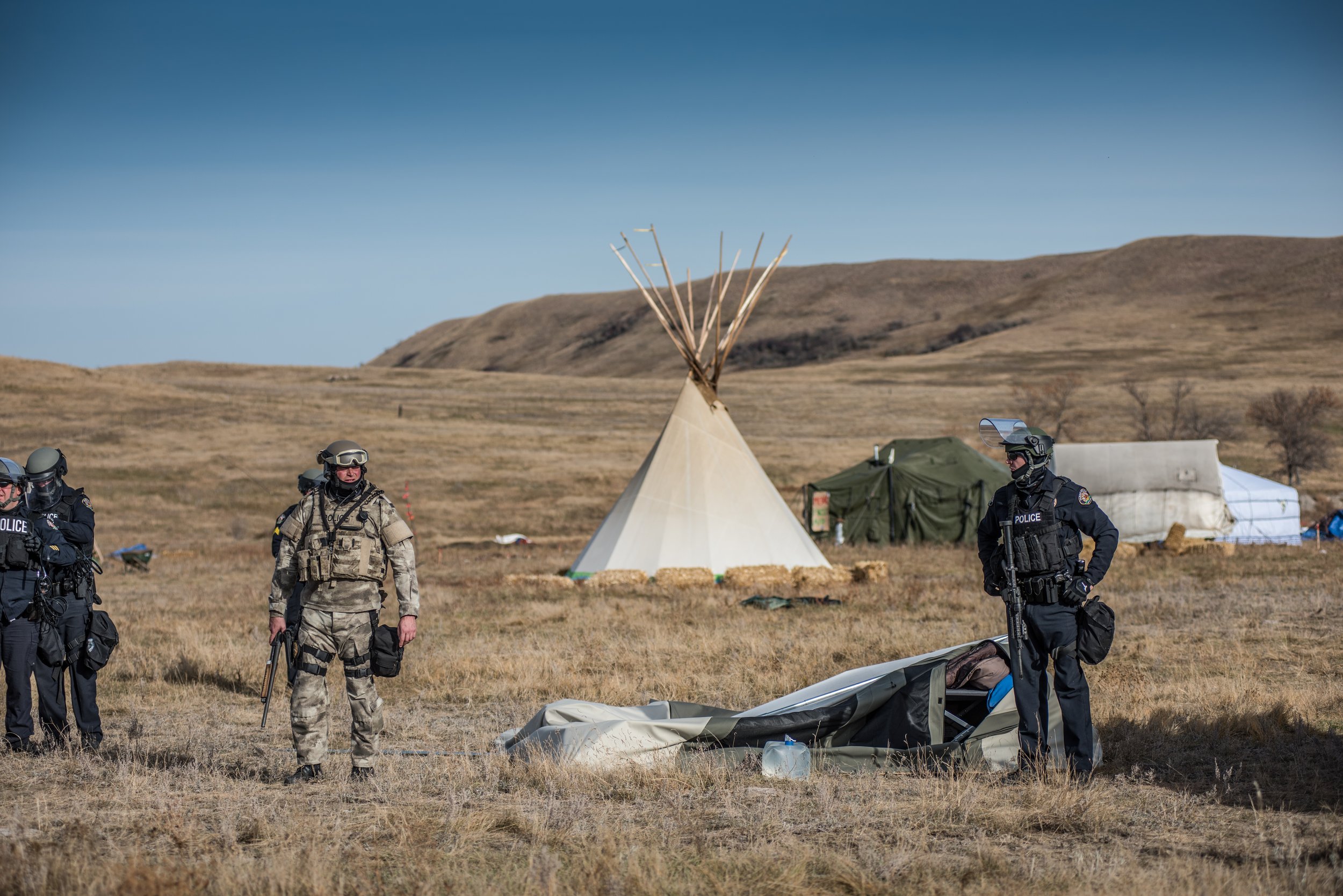
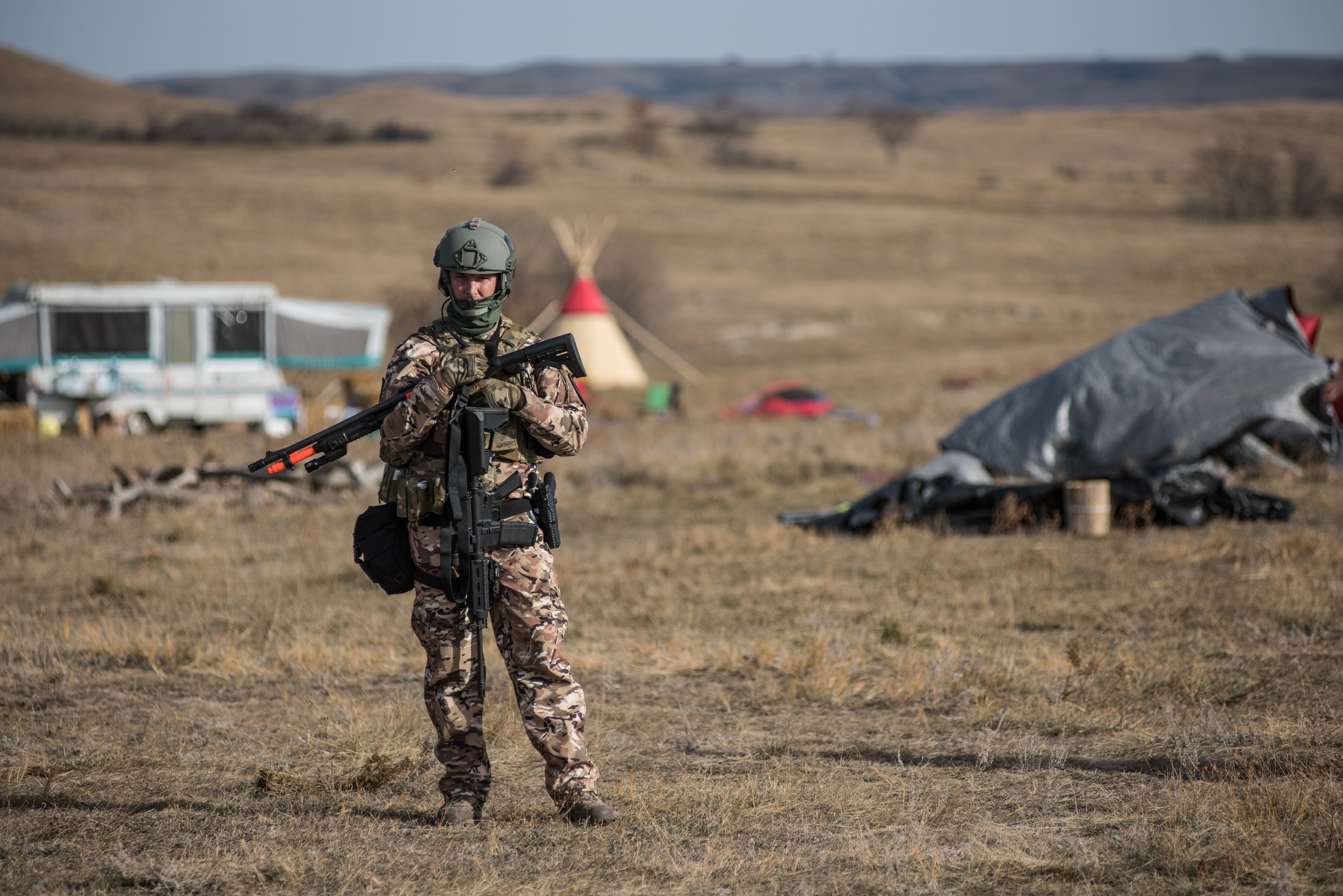
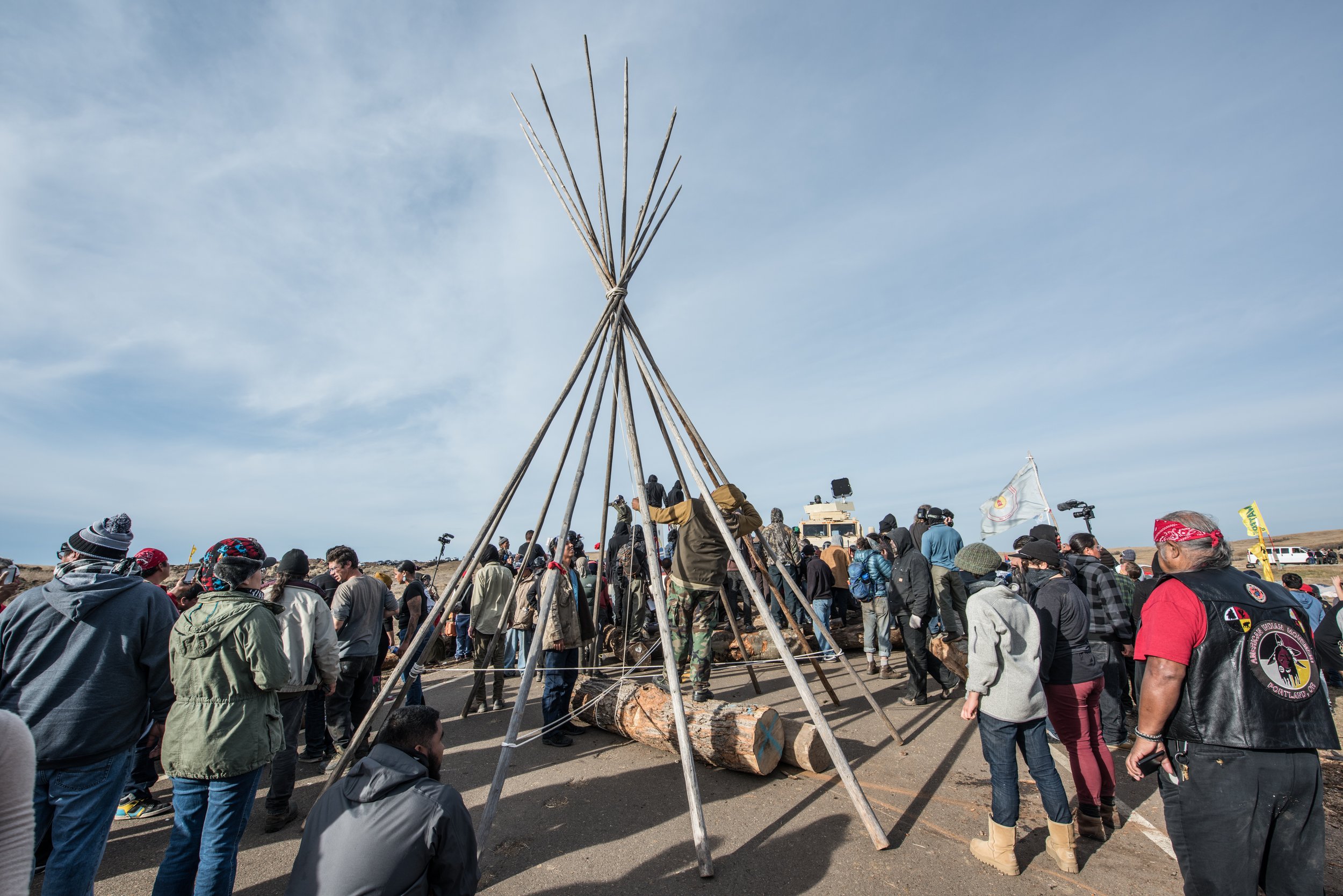
The NoDAPL protests that unfolded at the Lakota Reservation of Standing Rock, in North Dakota, was about more than the stoppage of an oil pipeline passing through Rez land, and underneath the Missouri River. It was about “bringing all of the Nations together so that they could rise as one” In the end much was lost… and the pipeline went through.
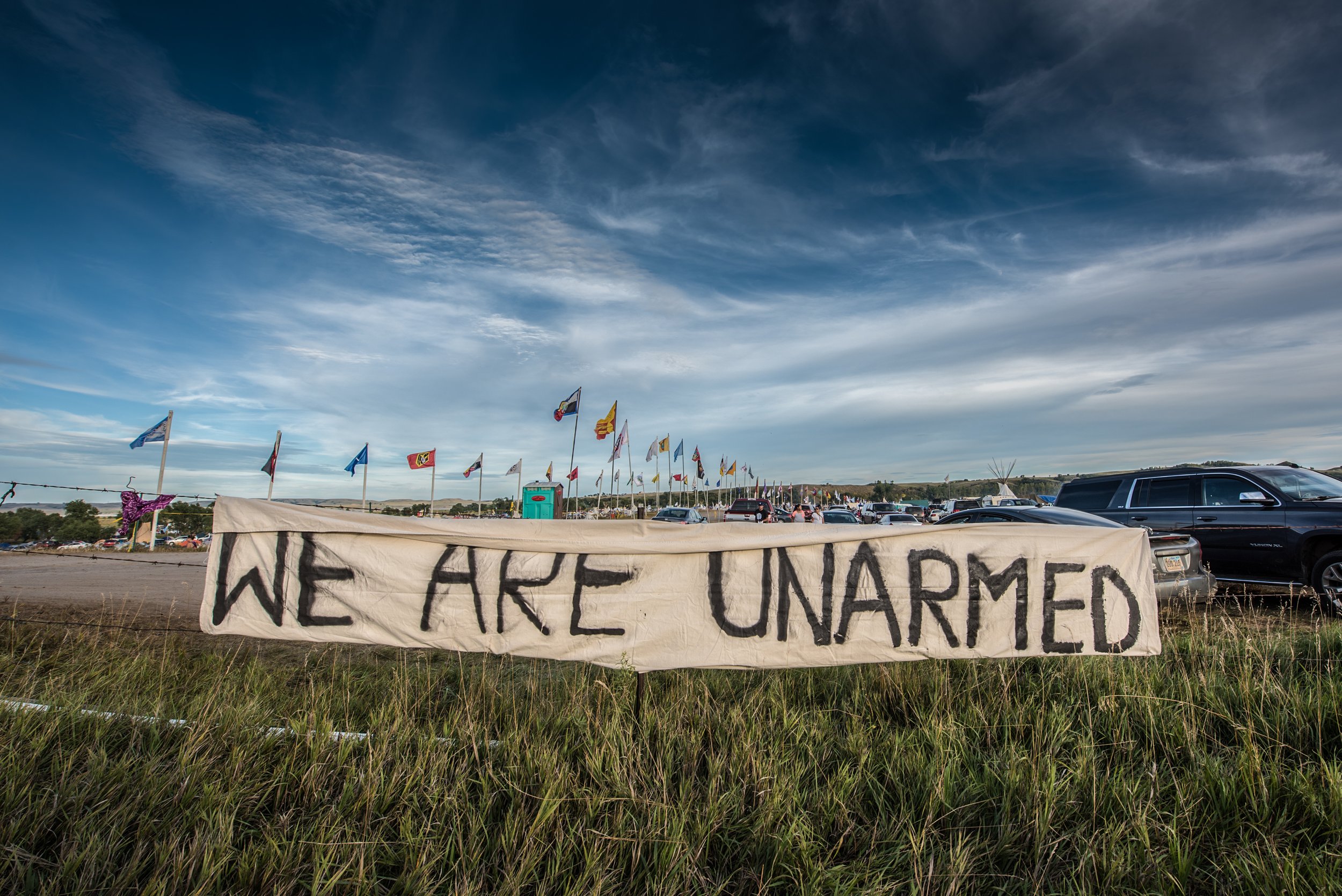
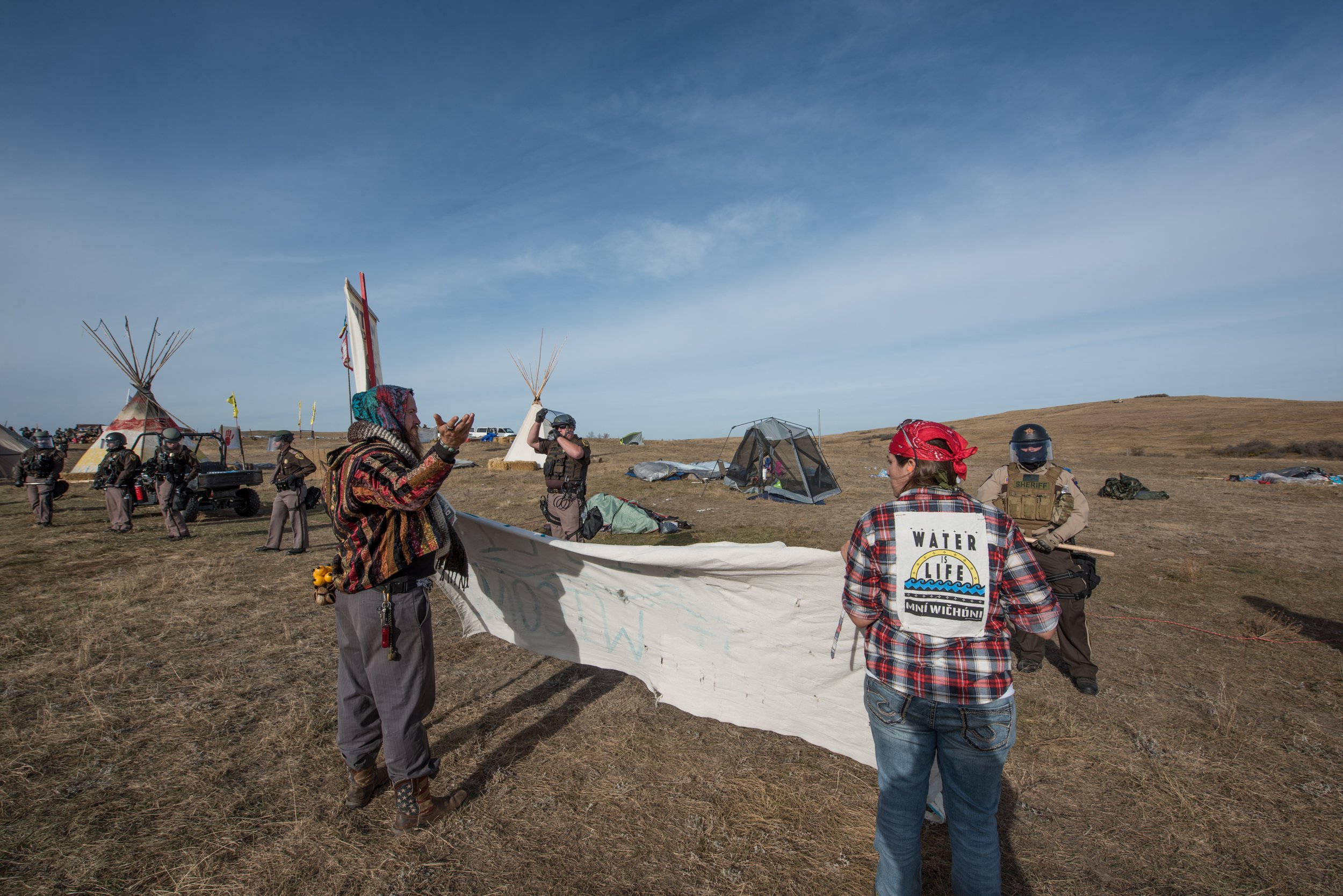
A large banner at the edge of the Oceti Sakowin encampment near Standing Rock, North Dakota, responds to concerns about weapons within the protest camp, reflecting the tensions, messages, and complex relationships between demonstrators and law enforcement during the Dakota Access Pipeline protests.
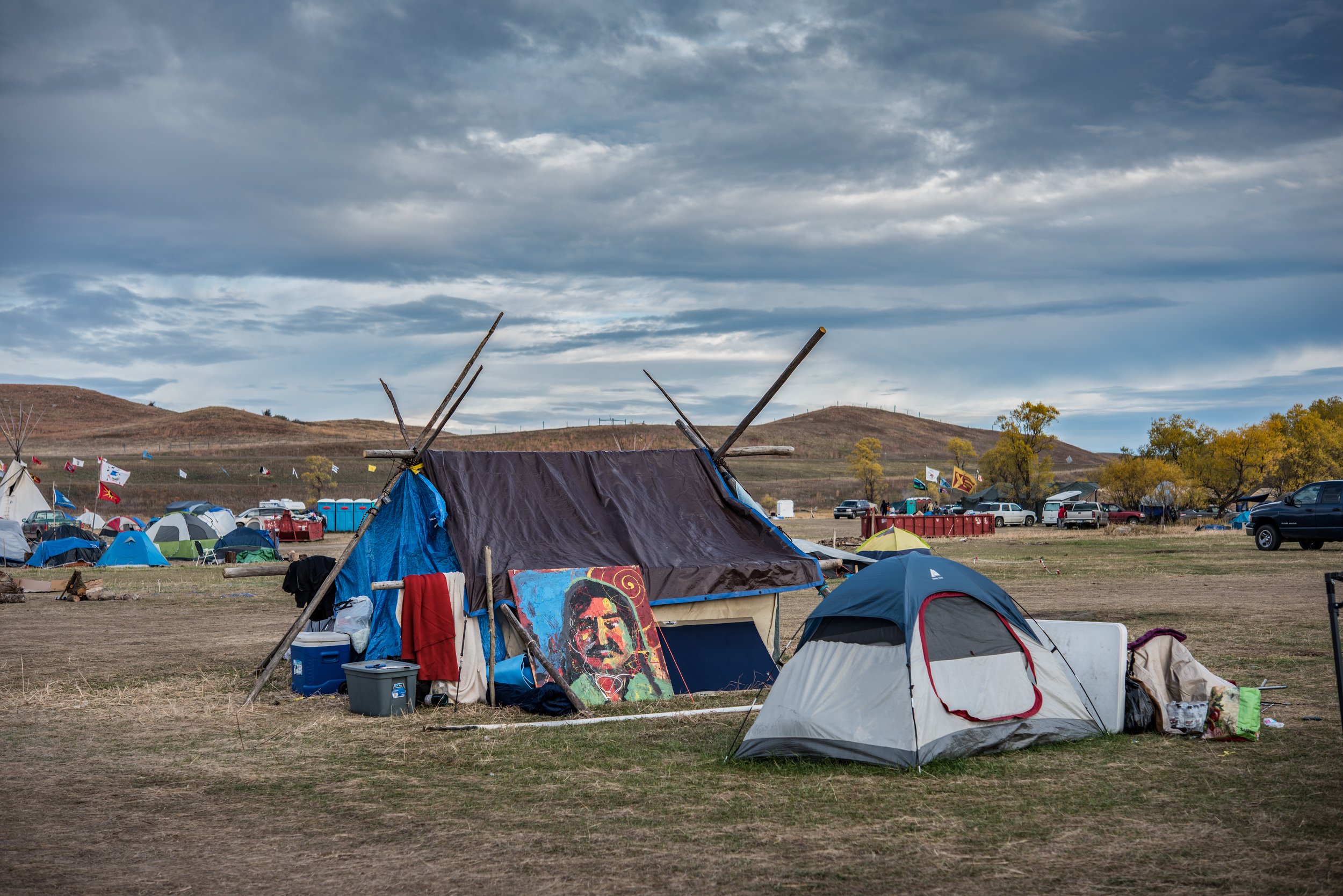
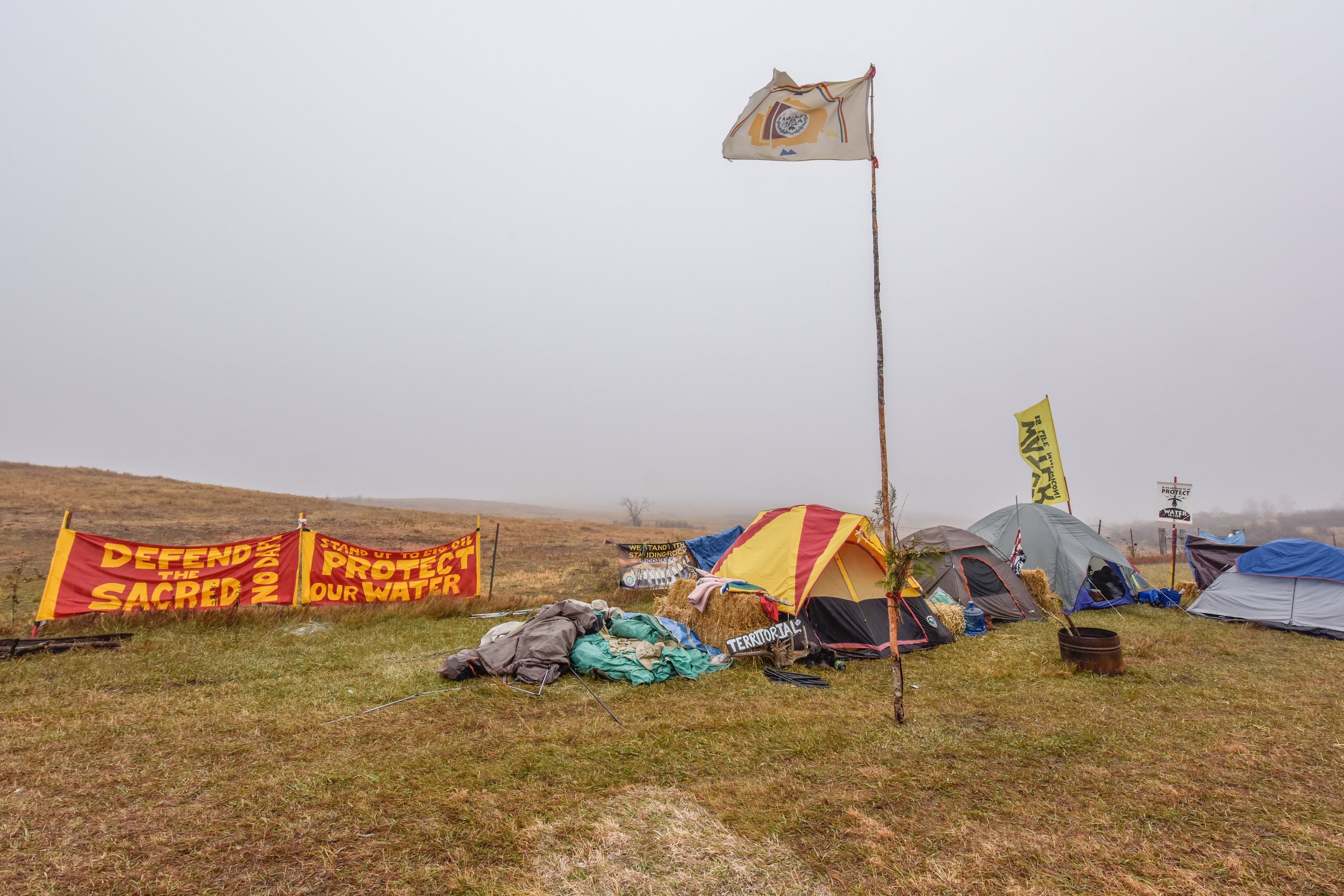
A documentary photograph from the Oceti Sakowin encampment showing the many structures created by participants, revealing a temporary community shaped by shared purpose, cultural traditions, and collective action during the Standing Rock protests.
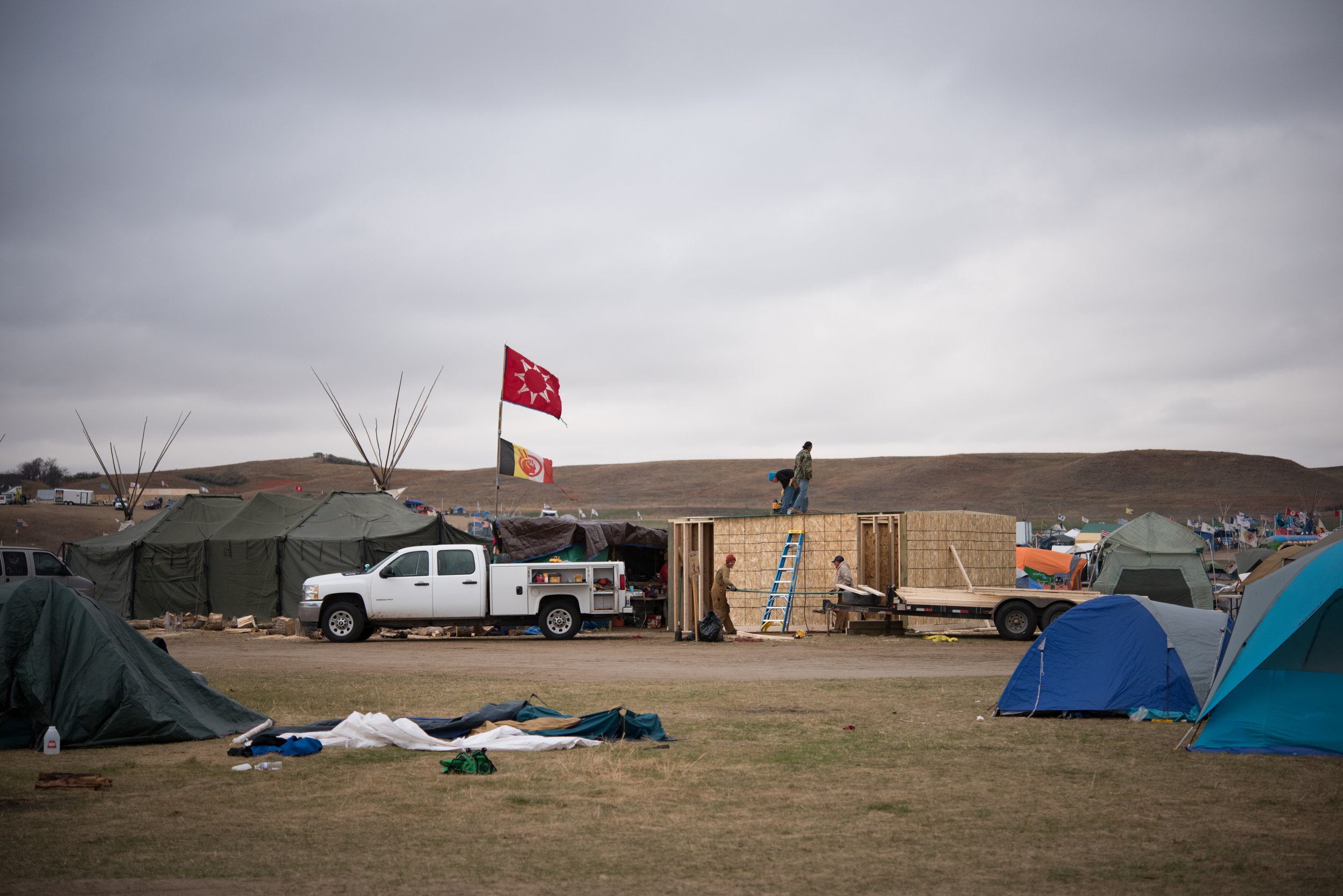
Some structures within the Oceti Sakowin encampment at Standing Rock were built as permanent gathering spaces, reflecting the commitment, creativity, and community formed by those who came together during the Dakota Access Pipeline protests.
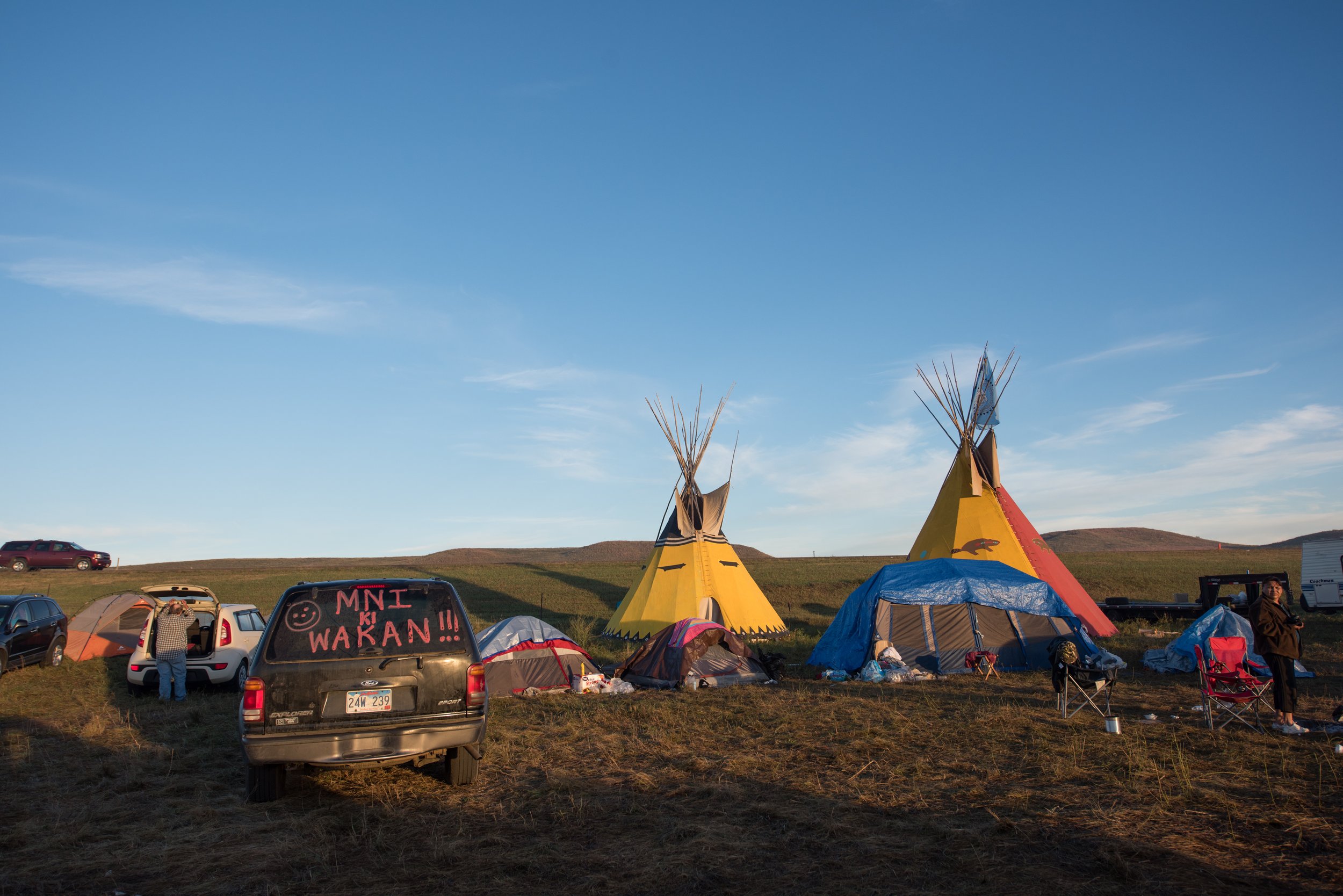
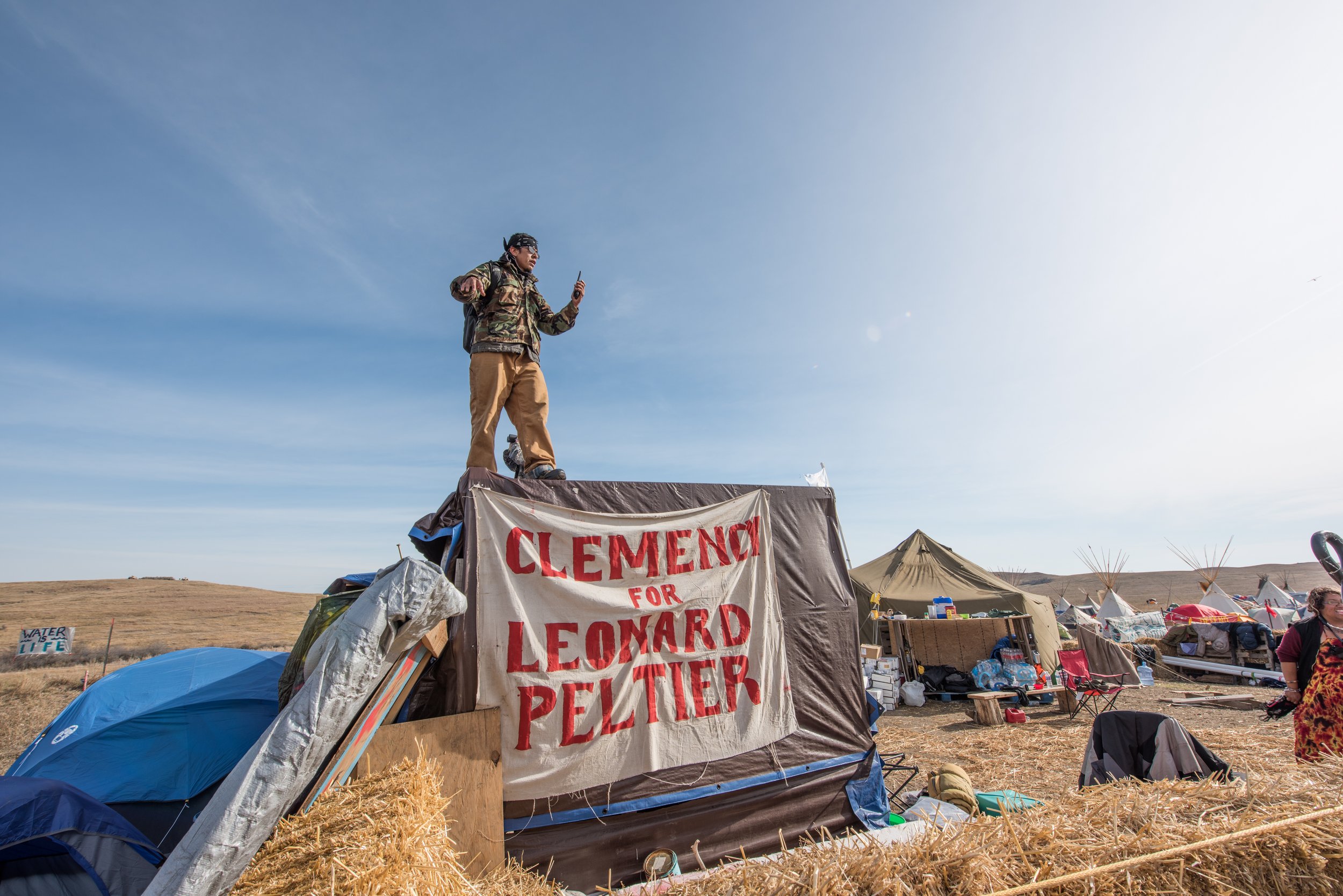
Colorful tipis stand among tents, campers, and makeshift dwellings at the Oceti Sakowin encampment during the NoDAPL protests at Standing Rock, revealing the diversity, resilience, and community created by water protectors and supporters.
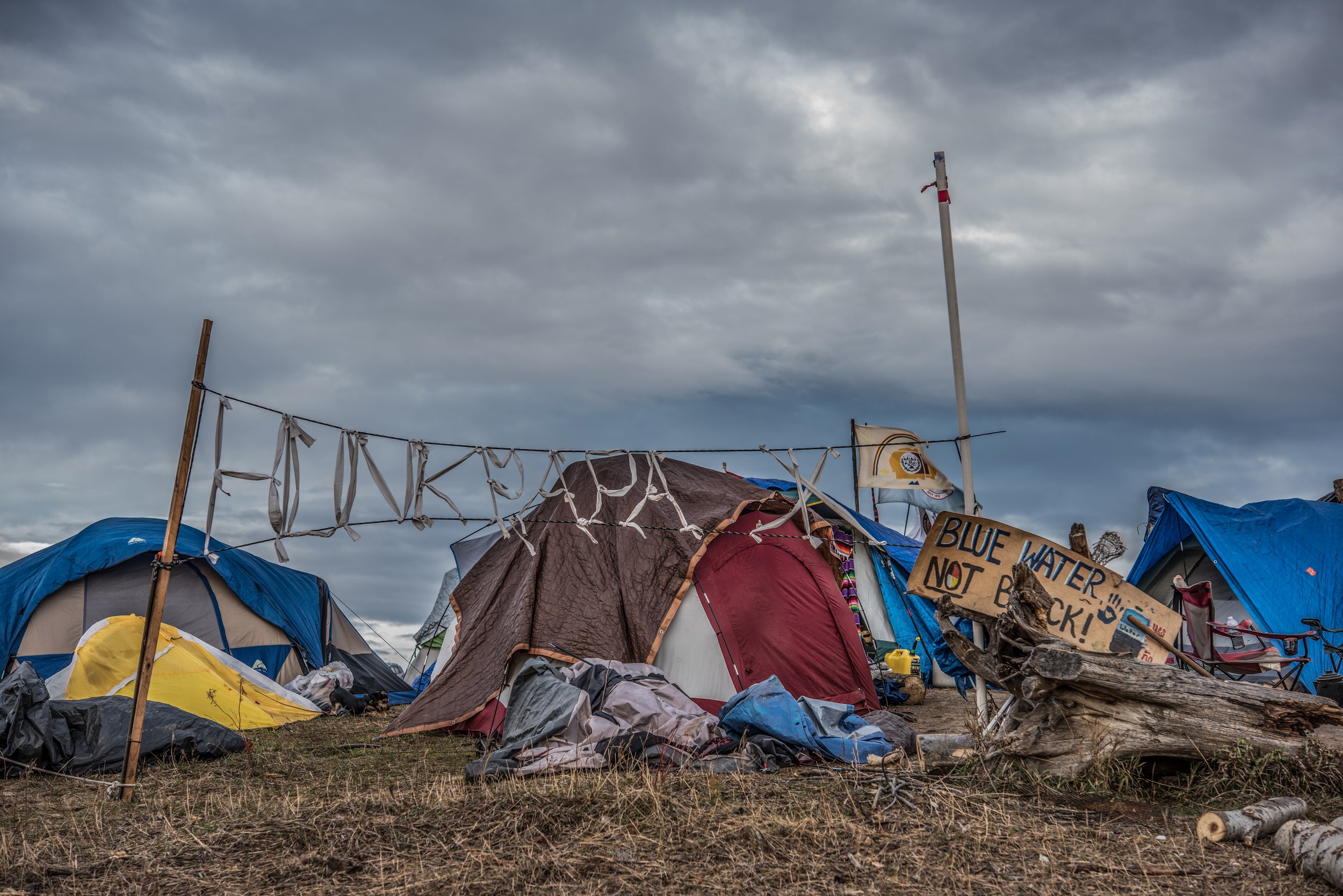
A hand-painted cardboard sign reading “Blue Water Not Black” reflects the environmental concerns and spiritual connection to water expressed at the Oceti Sakowin camp during the Standing Rock NoDAPL protests. This documentary photograph captures a powerful moment of grassroots activism, Indigenous advocacy, and the movement to protect clean water and sacred lands.
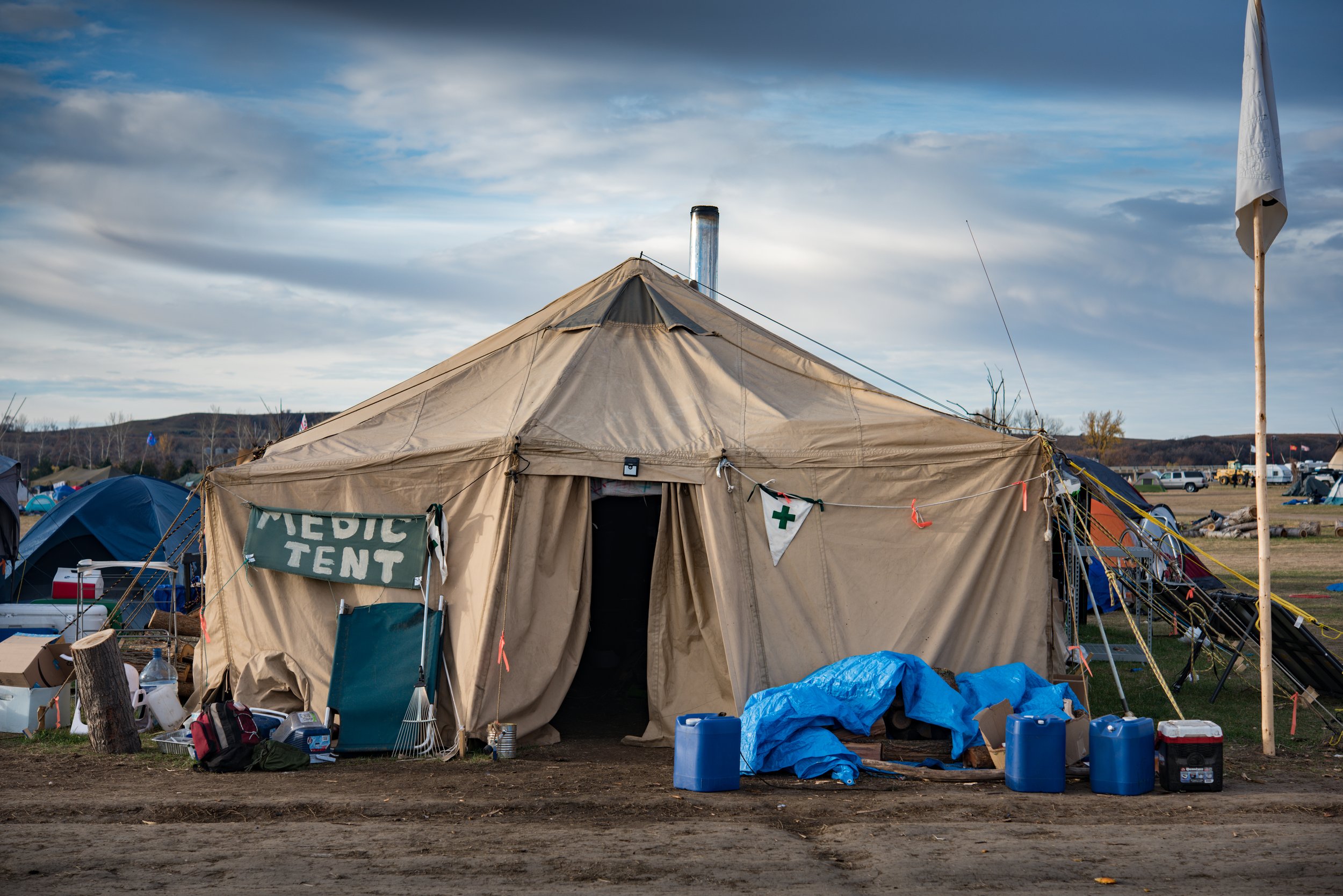
A medic tent at the center of the Oceti Sakowin camp resembled a MASH triage unit in a combat zone, providing medical care and support during the Standing Rock NoDAPL protests. This documentary photograph captures the urgency, resilience, and community organization that defined the movement as activists gathered to protect water, land, and Indigenous rights.
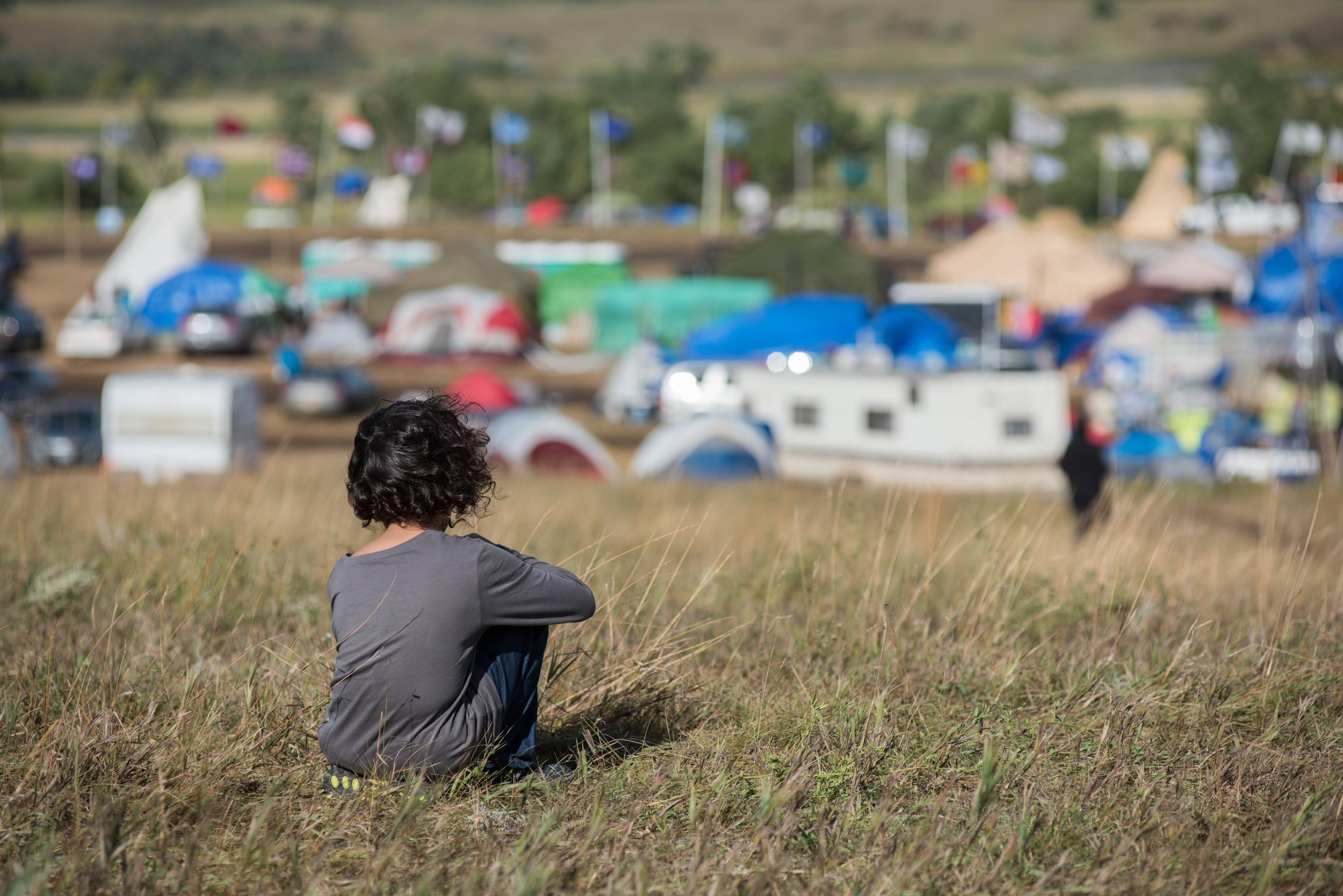
A young boy sits atop “Facebook Hill,” overlooking the sprawling Oceti Sakowin encampment during the Standing Rock NoDAPL protests. This quiet moment captures a child’s perspective amid a historic movement, where thousands gathered in solidarity to protect water, defend sacred lands, and advocate for Indigenous rights. A documentary photograph reflecting the human stories behind one of America’s most significant environmental protests.
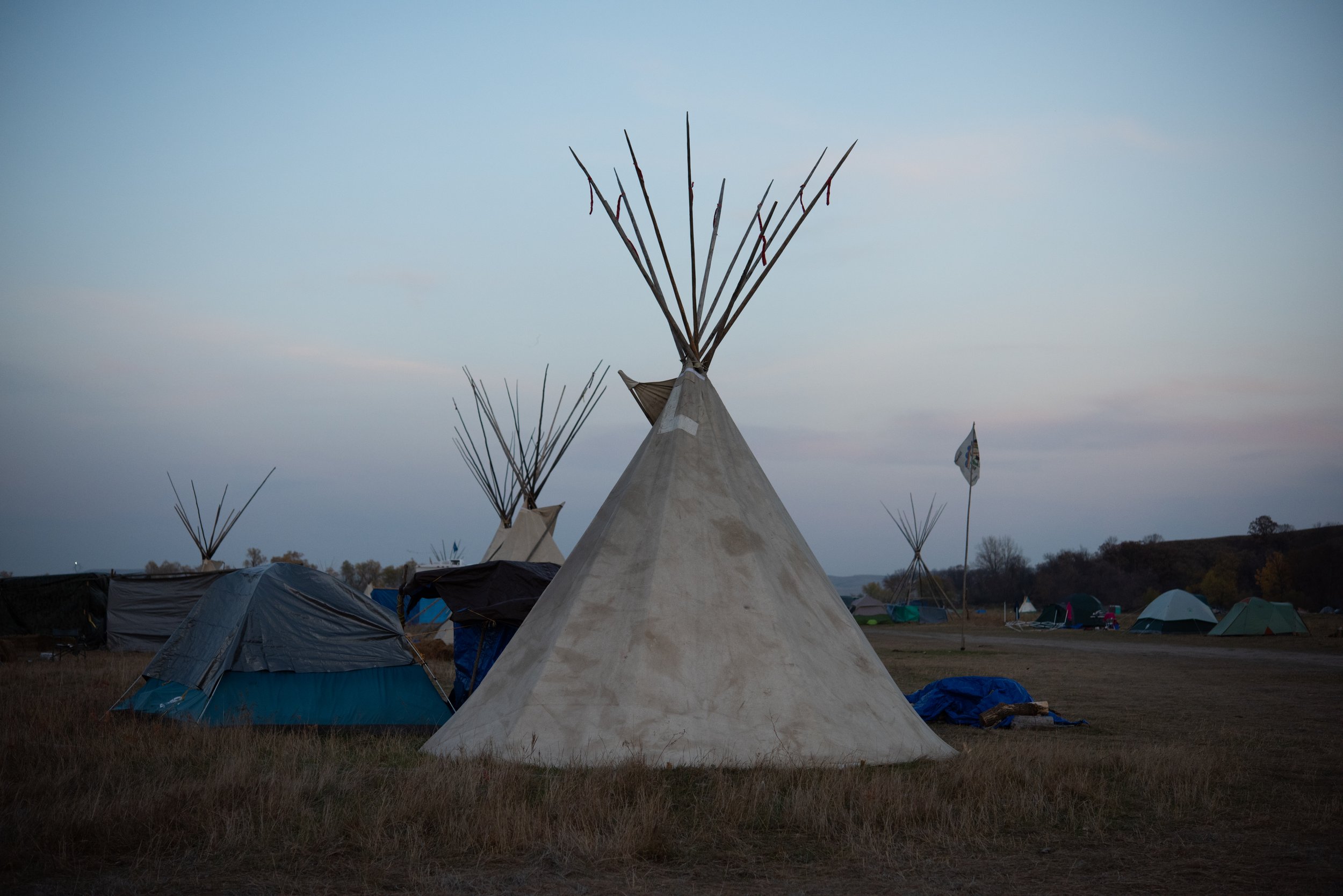
A lone tipi stands in the quiet pre-dawn hours at the Oceti Sakowin encampment during the Standing Rock NoDAPL protests. This documentary photograph captures the contemplative atmosphere of the camp before sunrise, reflecting the spiritual presence, resilience, and communal spirit of those who gathered to protect water, land, and Indigenous sovereignty.
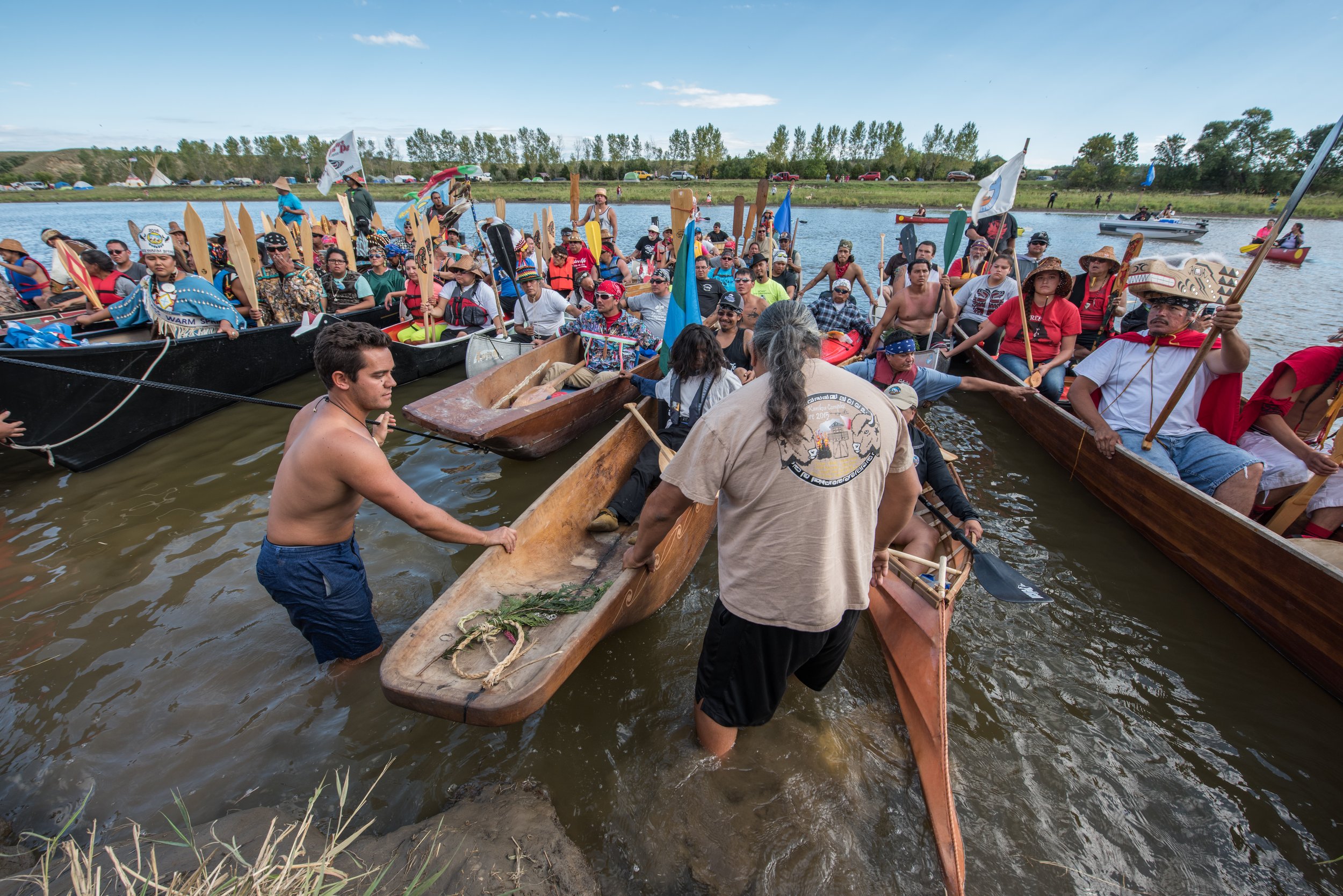
Tribes from the Pacific Northwest brought traditional hand-carved canoes to the Oceti Sakowin encampment during the Standing Rock NoDAPL protests. In September, Indigenous and non-Indigenous water protectors gathered to participate in a traditional Native ceremony reenacting the arrival of one tribe’s boats at the land of another—an expression of friendship, unity, and shared commitment to protecting water and sacred lands.
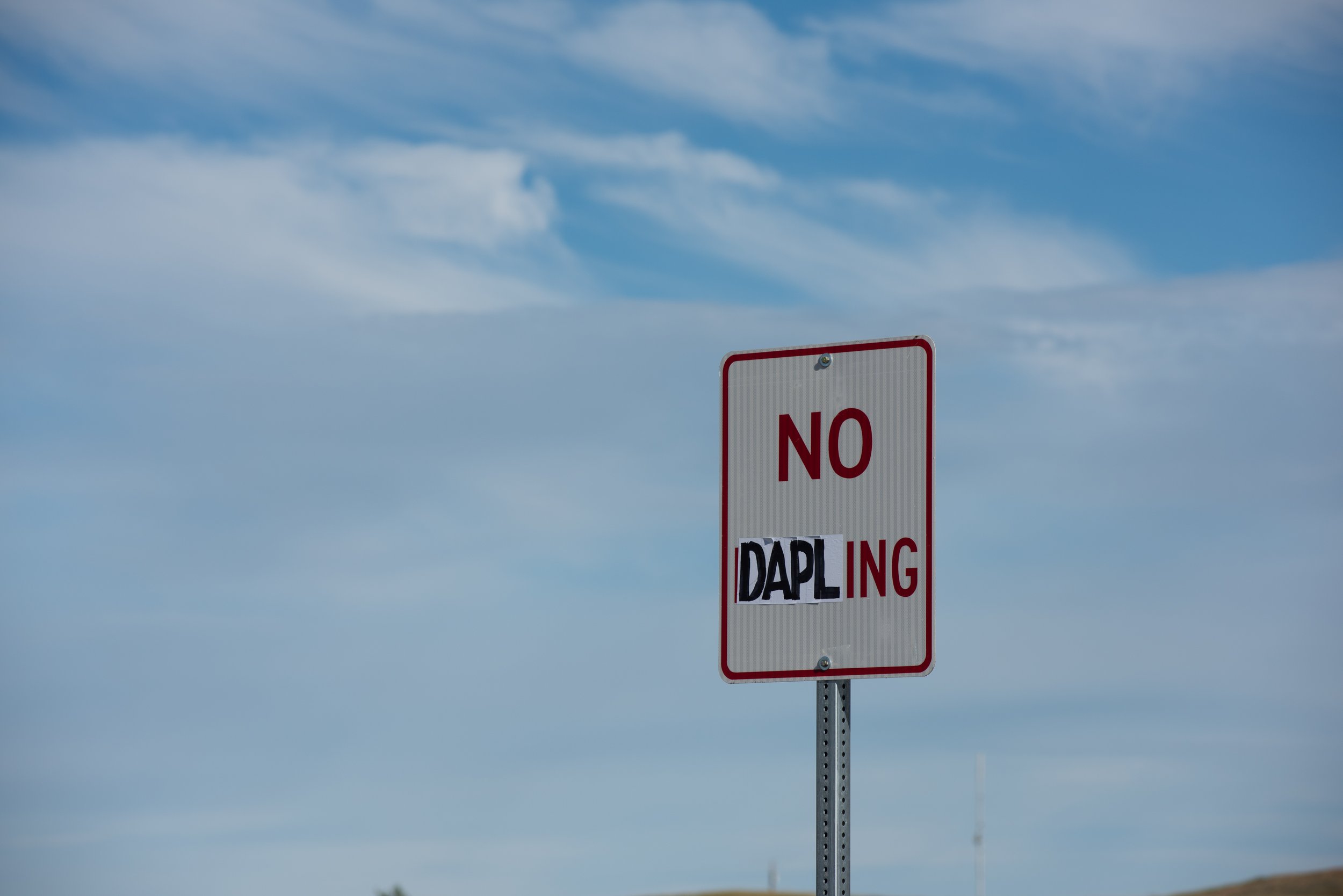
A repurposed “No Parking” sign transformed into a “No DAPLing” message reflects the creativity and grassroots expression found throughout the Oceti Sakowin encampment during the Standing Rock NoDAPL protests. This documentary photograph captures the visual language of resistance, where everyday objects became symbols of opposition to the Dakota Access Pipeline and the movement to protect water, land, and Indigenous rights.
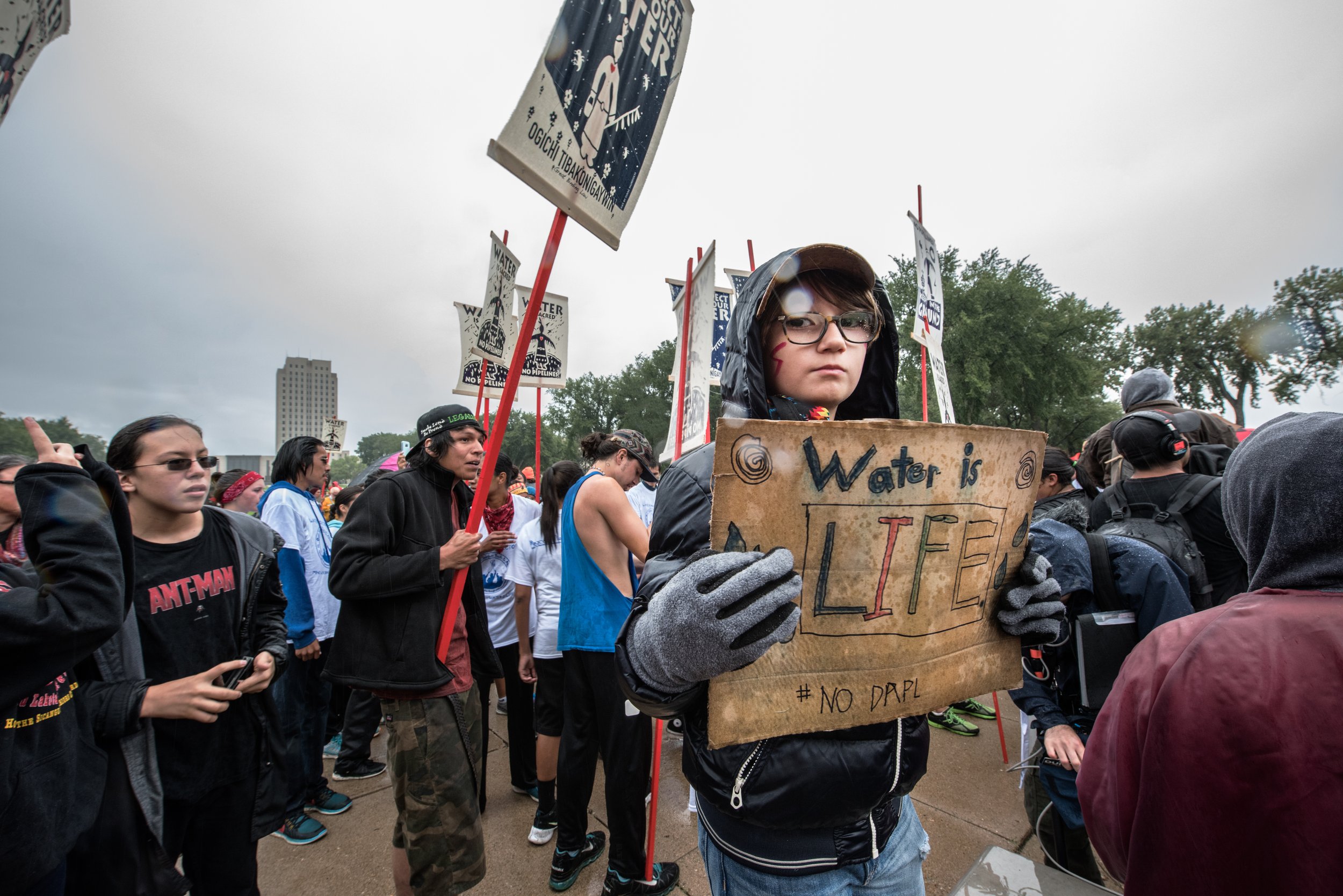
Protestors gathered on the lower mall of the North Dakota State Capitol to peacefully protest the stoppage of the pipeline.