
Stories From the road
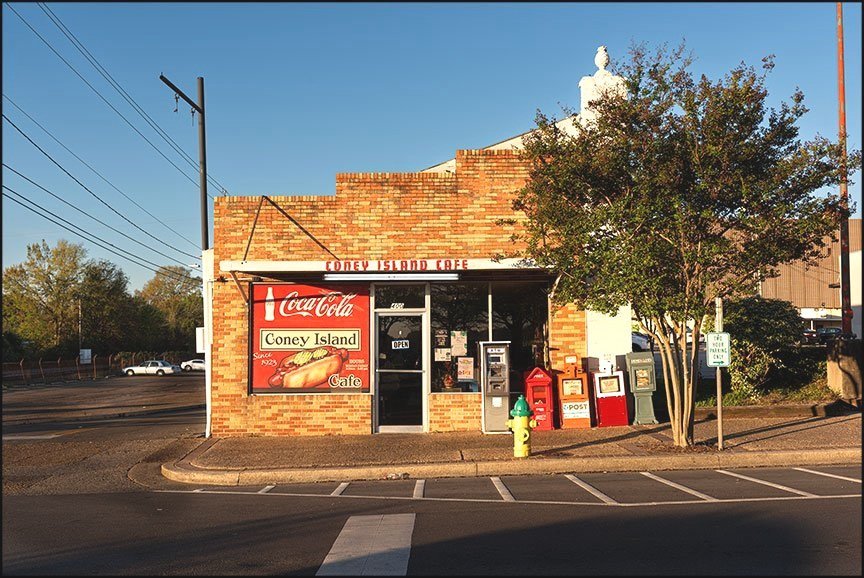
The Coney Island Cafe first opened its doors in 1923 by Arthur Fokakis, who arrived from Greece in 1919. As the story goes - the one that has been passed down through generations; Arthur established a fruit stand that was a simple pushcart which he parked under a large shade tree by the railroad tracks on Main Street. Within a few years Aurthur leased the land under the large shade tree where he built a permanent structure that became his fruit stand. Ever ambitious, within another few years Arthur turned the fruit stand into what is now known as the Coney Island Cafe - a short-order restaurant that serves breakfast, lunch. The menu was kept simple: hamburgers, hot dogs, homemade curly fries, and traditional breakfast fare, and of course their famous chili dog: homemade chili, and pickles. Of course one can still get a traditional dog… but why?
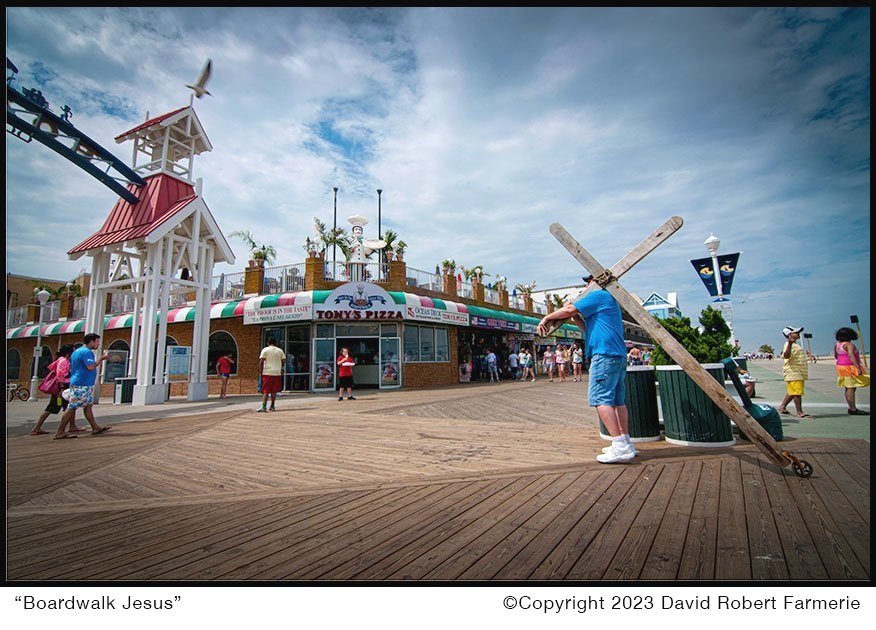
As I returned now to the boardwalk, decades later, it was still a familiar place to me. The chaotic movement of thousands of people along that boarded walkway, which was now a bit wider, but other than that it had not changed at all. As I walked up onto the boardwalk at the farthest southern end I immediately came upon a man dressed in a blue t-shirt and shorts, standing at the edge of the boardwalk near where the sand from the beach met the wooden planks. He stood there with a life size cross slung over his shoulder, presumably just as Jesus did as he walked through the streets, crowded with onlookers, on his way to Calvary.
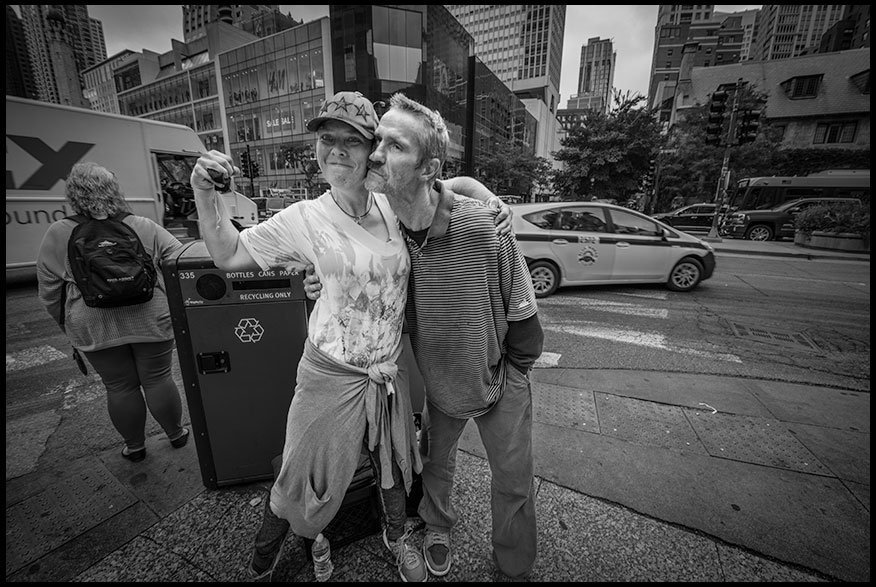
As I walked I found a rhythm in navigating my way through the frenetic stream of the pedestrian torrent. Ahead I saw what seemed to be a woman doing pushups on the sidewalk. These glimpses, broken into segments by people sporadically darting across my field of vision, made it difficult to discern for sure what I was seeing.
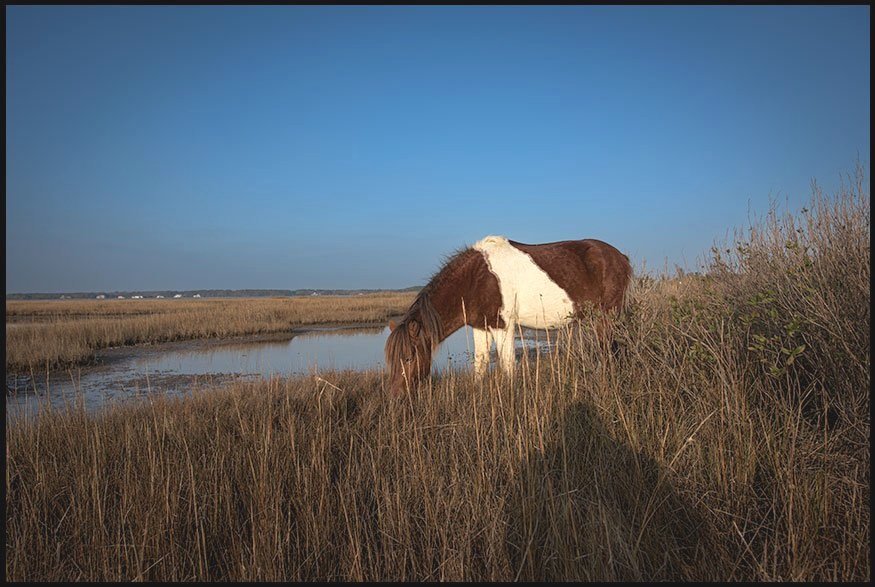
Assateague Island, a slender ribbon of land stretching north to south along the Maryland and Virginia coastline, cradled between the relentless Atlantic Ocean to the east and the tranquil Chincoteague Bay to the west, held its own enigmatic allure. In its Maryland territory, it was under the watchful guardianship of the National Park Service. As this slip of land crossed the border into Virginia, it assumed the identity of Chincoteague Island National Wildlife Refuge, overseen by the U.S. Fish and Wildlife Service.
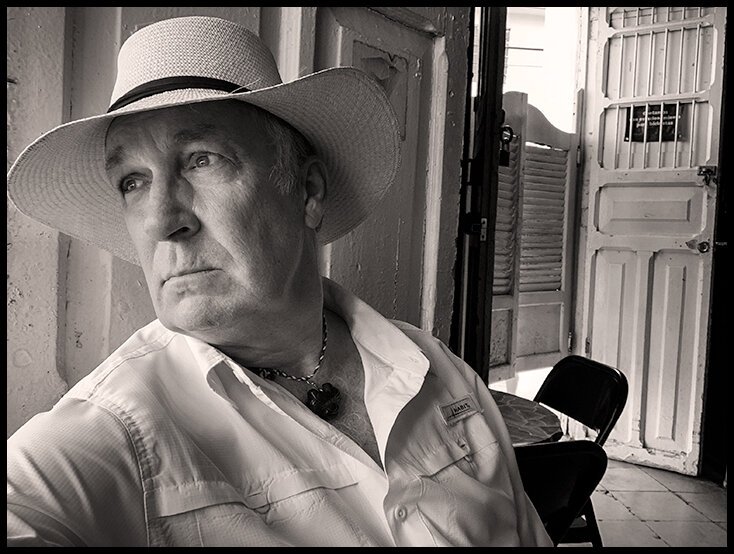
My commitment is still there but my optimism, at times, does seem to dip low - feeling as if I am a bandleader with only a few band members following. Yes people want change… many crave it; but few seem to be willing to engage in a process to help bring about the change.
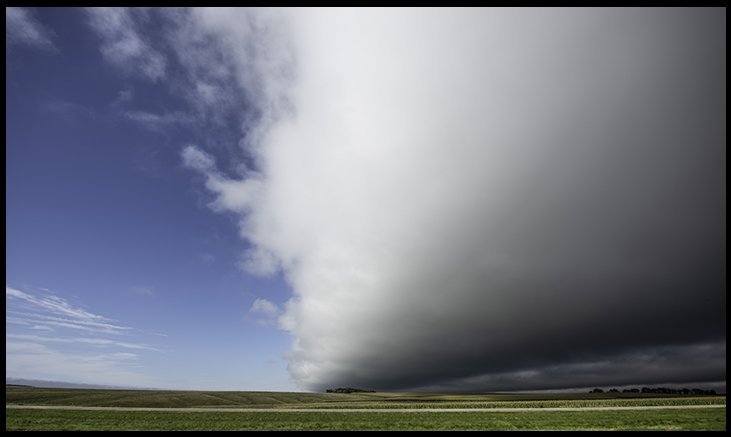
I remember, quite vividly, the first Earth day celebration. It was a milestone event for the environmental movement. I was living in Pittsburgh at the time - a city that has a long history of severe environmental pollution - to the air, the water, and the soil. Steel mills, iron furnaces, coke ovens, and various chemical factories spewed toxic gasses into the air, and dumped poisoned water into the three rivers that Pittsburgh is known for.
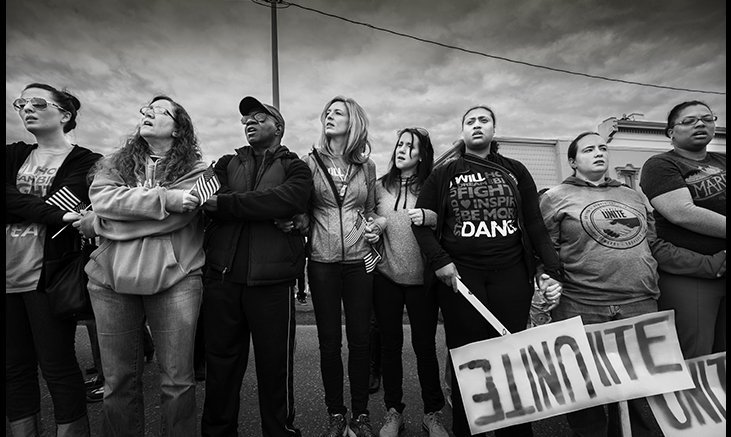
When most people think of “Tribes” they tend to think of it in terms of American Natives, or those who live in the remote locations hidden within the Amazon. But in reality we all live among tribes - and in many instances we live among multiple tribes simultaneously.

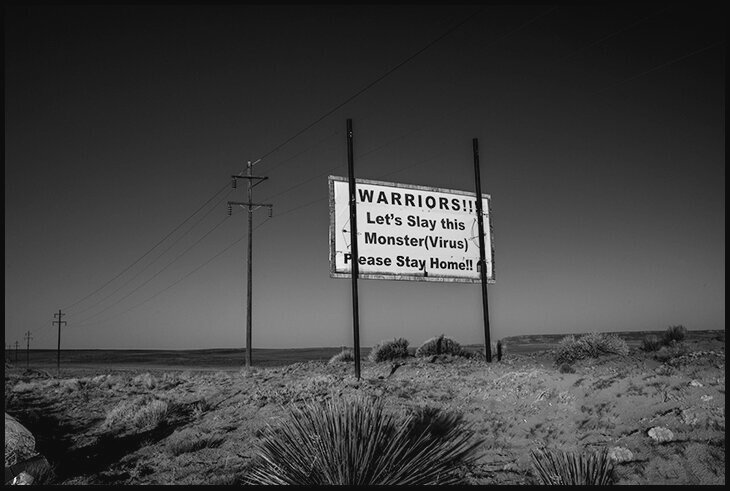
But on Monday, May 10th, I decided to take a day just to make pictures, and to explore! I pulled out of the driveway at 6:00 a.m on the dot. And 12 hours, 24 minutes, and 47 seconds later - after having logged 405.2 miles of backroads, off-roads, and interstate highway, I pulled back into the driveway that I had pulled out of that morning.
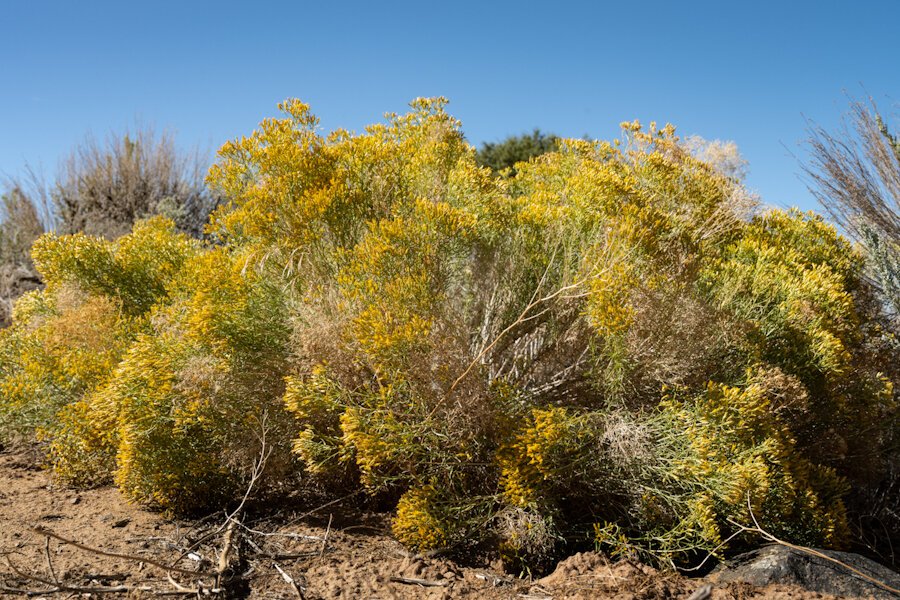
The High Desert is much different than all of the other types of deserts. The most noticeable is that there are no large cactus here. In fact, the only cactus found here are small, and low to the ground. But the color palette is one that soothes my soul just by being surrounded by it. And then there is the [light].
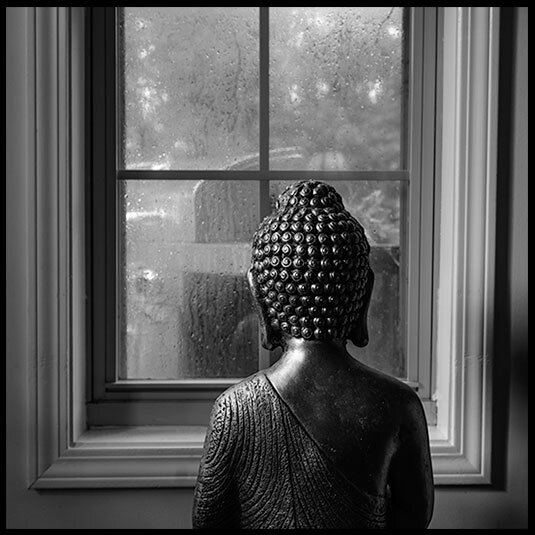
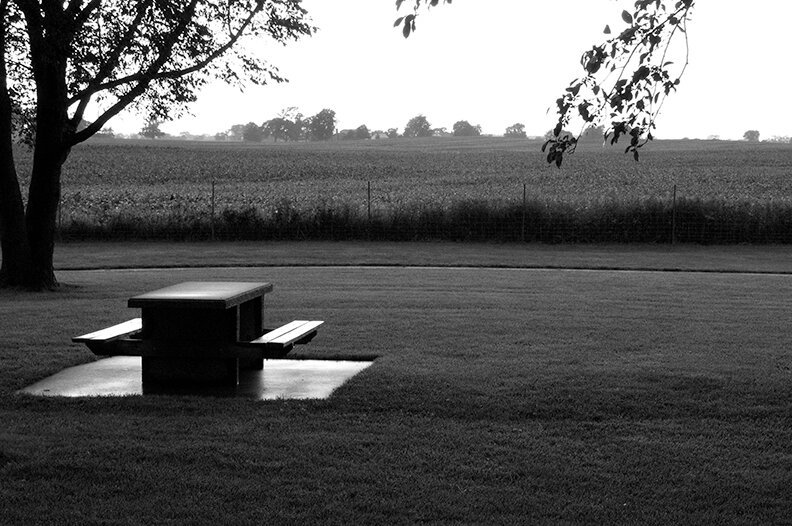
Recently I have been doing a lot of reflection - primarily because I have been engaged in reading books that have sparked such reflection, which brings me to my next point: the Vietnam War. I know that many of you, who read this blog still remember that time in our history. For those fo you who are too young to remember, follow along and learn something.
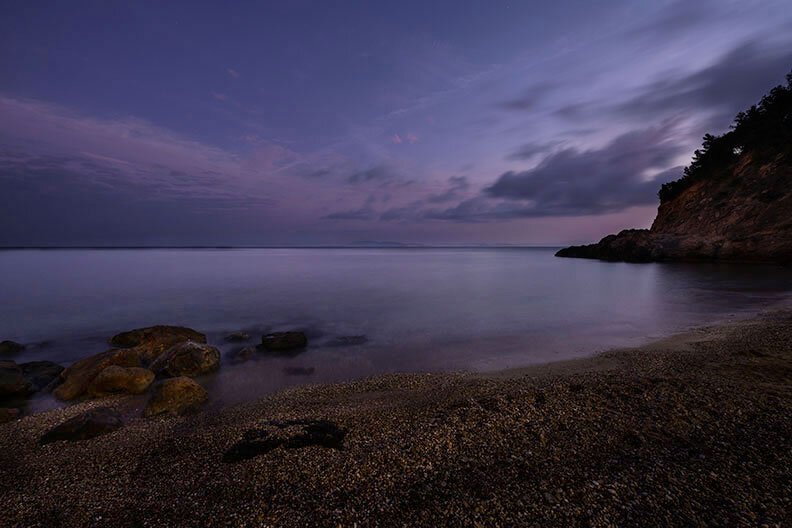
What makes this conversation so ironic is because of something that I experienced about an hour ago, while listening to Jim Ladd’s radio broadcast. He played a brand new song by, Bob Dylan, that was just released today. The title: Murder Most Foul.
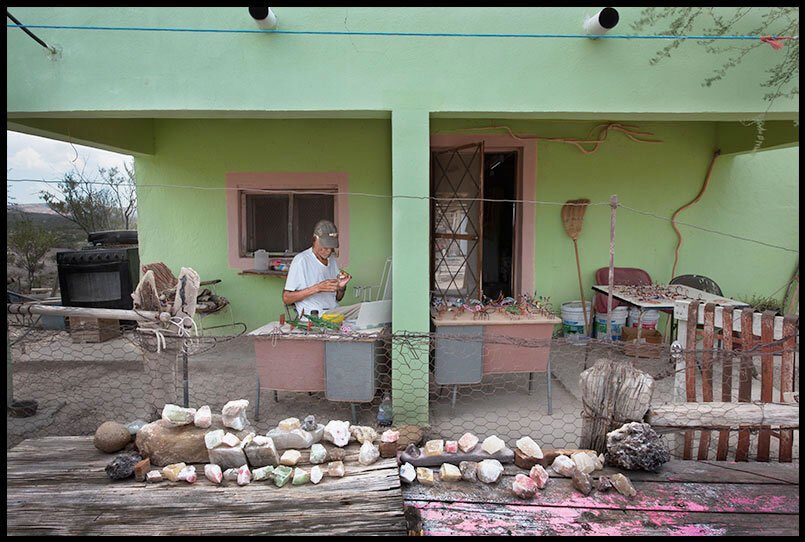
For those traveling to Boquillas, from Big Bend National Park, they make their way through the immigration station that is located within the park. As one exits through the out door, they walk down a dirt path that meanders through a stand of trees. At the far end is the Rio Grande River.
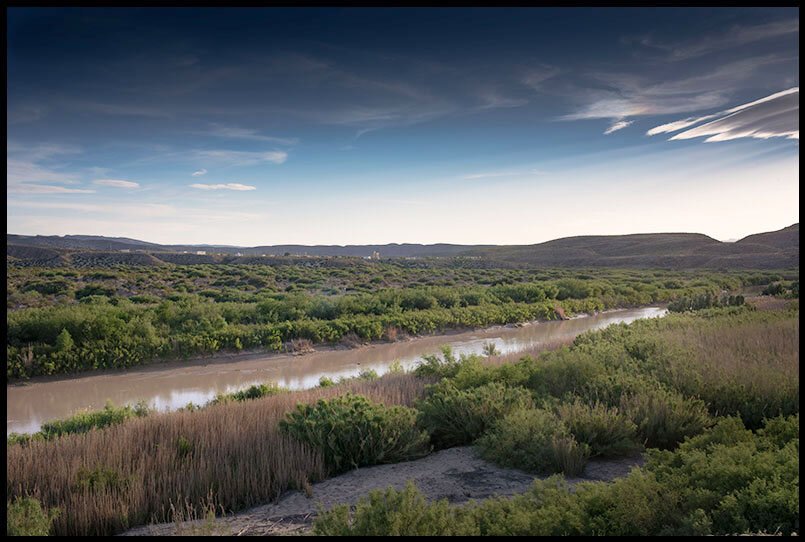
Boquillas, Mexico is a small village just across the Rio Grande River from Big Bend National Park, in southern Texas. In the early 1890s silver was discovered in the Sierra del Carmen, whose northern tip lies just east of Boquillas.
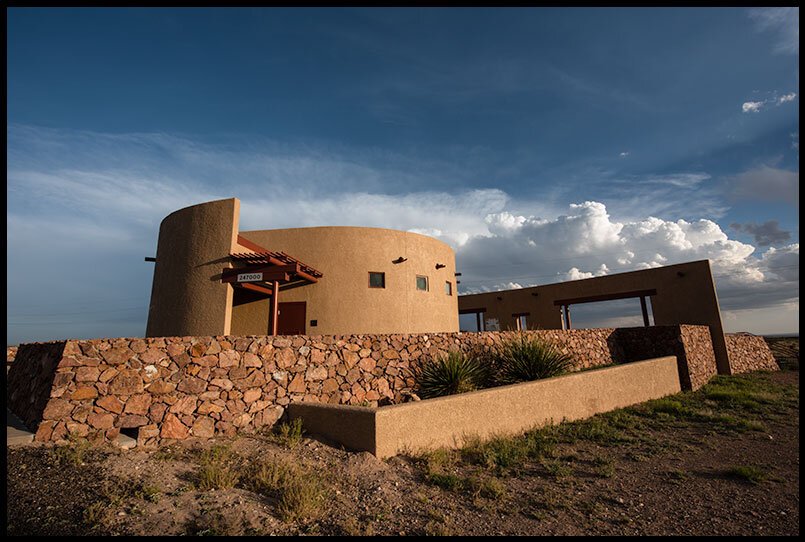
It wasn’t until my first trip through south Texas that I even heard of the Marfa Lights. I had stopped in Amarillo, to visit with my brother-in-law, James, and his family. I told him that I was heard on to El Paso, and then down along the border towns of Texas, as part of an assignment that I was working on. My brother-in-law. He asked if I was familiar with the Marfa Lights - to which I responded with the most appropriate of questions: “What???”
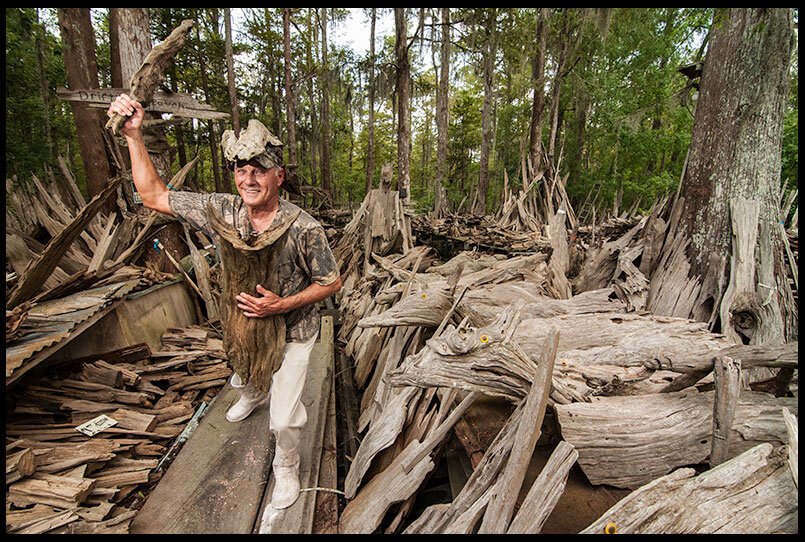
Mr. Adam Morales owned, and operated the Adam's Cypress Swamp Driftwood Family Museum, in Pierre Port, Louisianna. Upon his death I felt moved to write a post about this joyous man, and his driftwood paradise.
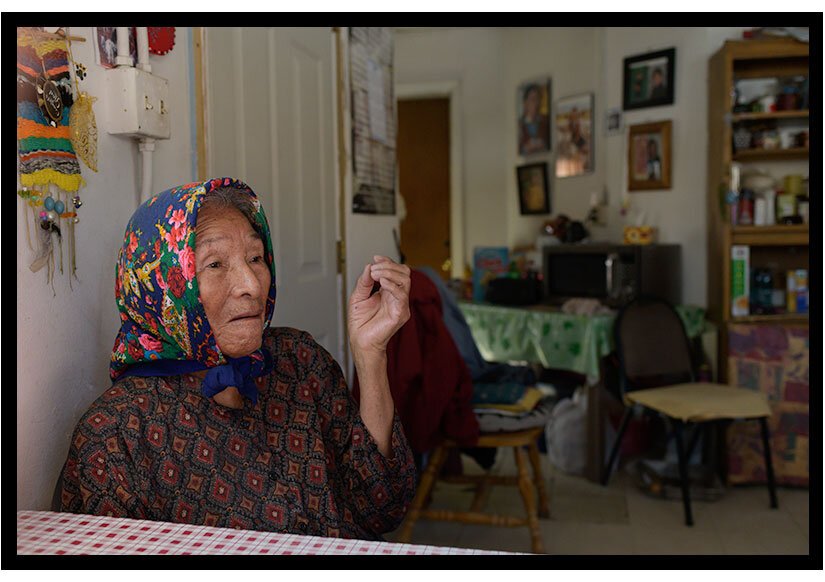
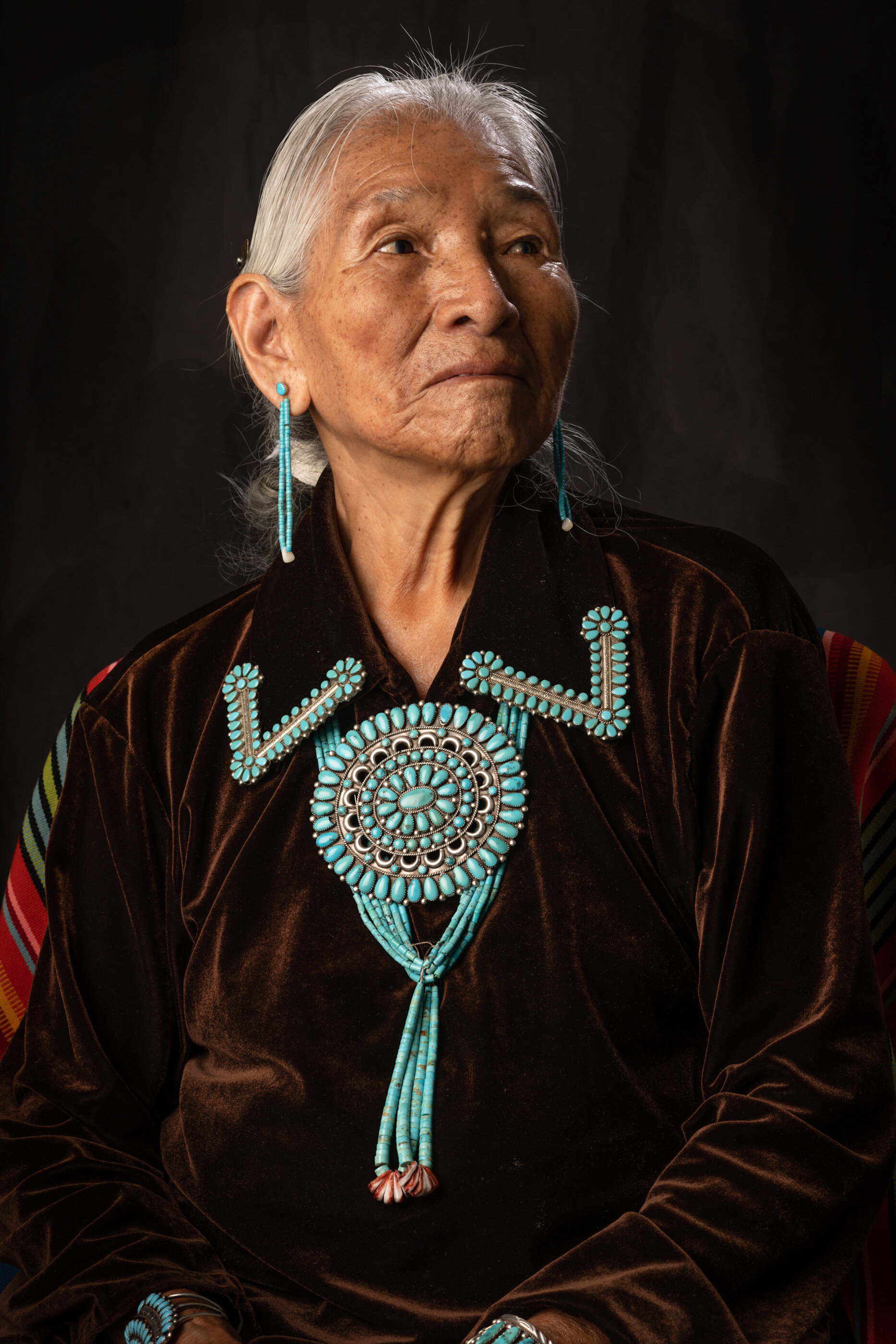
Helen, who is 83 years old, is a traditional Navajo woman. She lives in Blue Gap, Arizona, several miles after the paved road becomes a deep-rutted dirt road. When I visited her, yesterday, that dirt road had become thick with mud - which became challenging even to my Expedition outfitted with Mud tires on the rear. Unfortunately my Expedition is only two-wheel drive. Her younger sister, Alice, was there when I arrived, to translate. Helen only speaks Navajo.

“Dine’” which is Navajo for “The People” seemed appropriate for the working title of my newest book project, on the Navajo People. This post talks about a Navajo family to turned to ranching in 1978. But more specifically, they raise bulls for the rodeo. In recent years Freddie has begun turning the business over to his two daughters.
This post is the result of a piece that I had read, online, that sparked a grave concern - a concern that is not attached to any political affiliation…
I have noticed, probably for my entire lifetime - but, for the purpose of this writing, I would say: for quite some time;.[What] I have noticed is an aspect of our collective dialog that hints of a racism.
This morning, as I sat in my well-worn leather recliner, with the Calico cat laying across my left arm, and my right had writing thoughts in my journal - all of this part of my morning ritual when I am not on the road, I came to a stopping point. I sat for a few moments longer;

On the outskirts of Grafton, West Virginia, at 284 Pearl Felton Lane, sits an unassuming white frame house that has found its place in history as the house of Ann Reeves Jarvis, and the birthplace of Anna Jarvis - the founder, and creator of Mother’s Day. This tiny house is now a museum dedicated to Anna Jarvis, and the entire Jarvis family. But the museum, the house, and the land surrounding it, is steeped in Civil War history, early Civil Rights, the Underground Railroad, and a history of acceptance, and human rights.

This morning, as I drove from Pittsburgh back to Grafton, West Virginia, I decided to get off the Interstate and explore the town of “Prosperity.” For decades the name has intrigued me - like so many other names of towns across America, with names that make a statement …
Immediately, my mind returned to that moment inside a Waffle House many years ago. I remember asking if I could make her photograph. Then, as I often do, I asked a simple question: “would you tell me your story?”
She did.